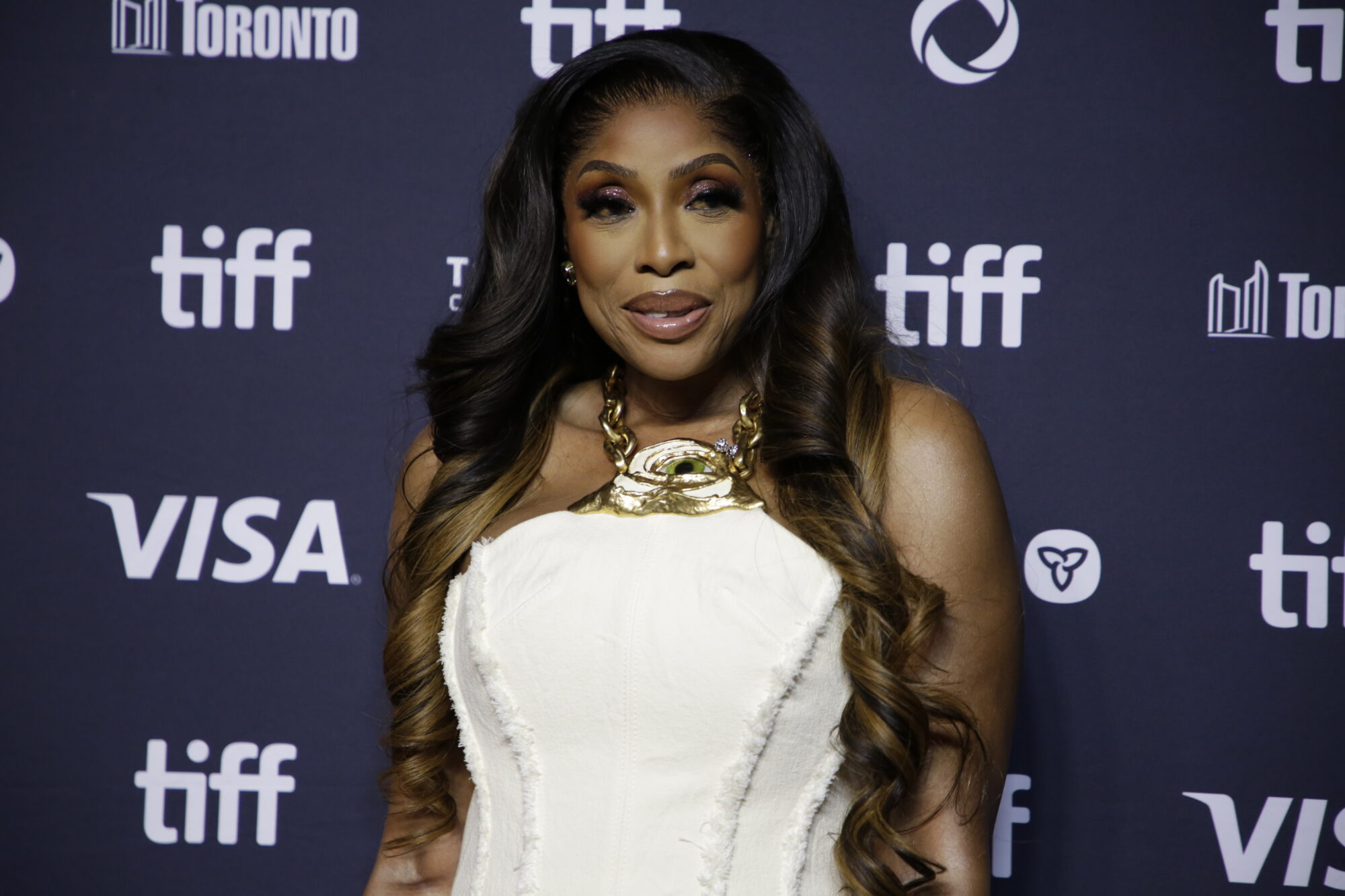
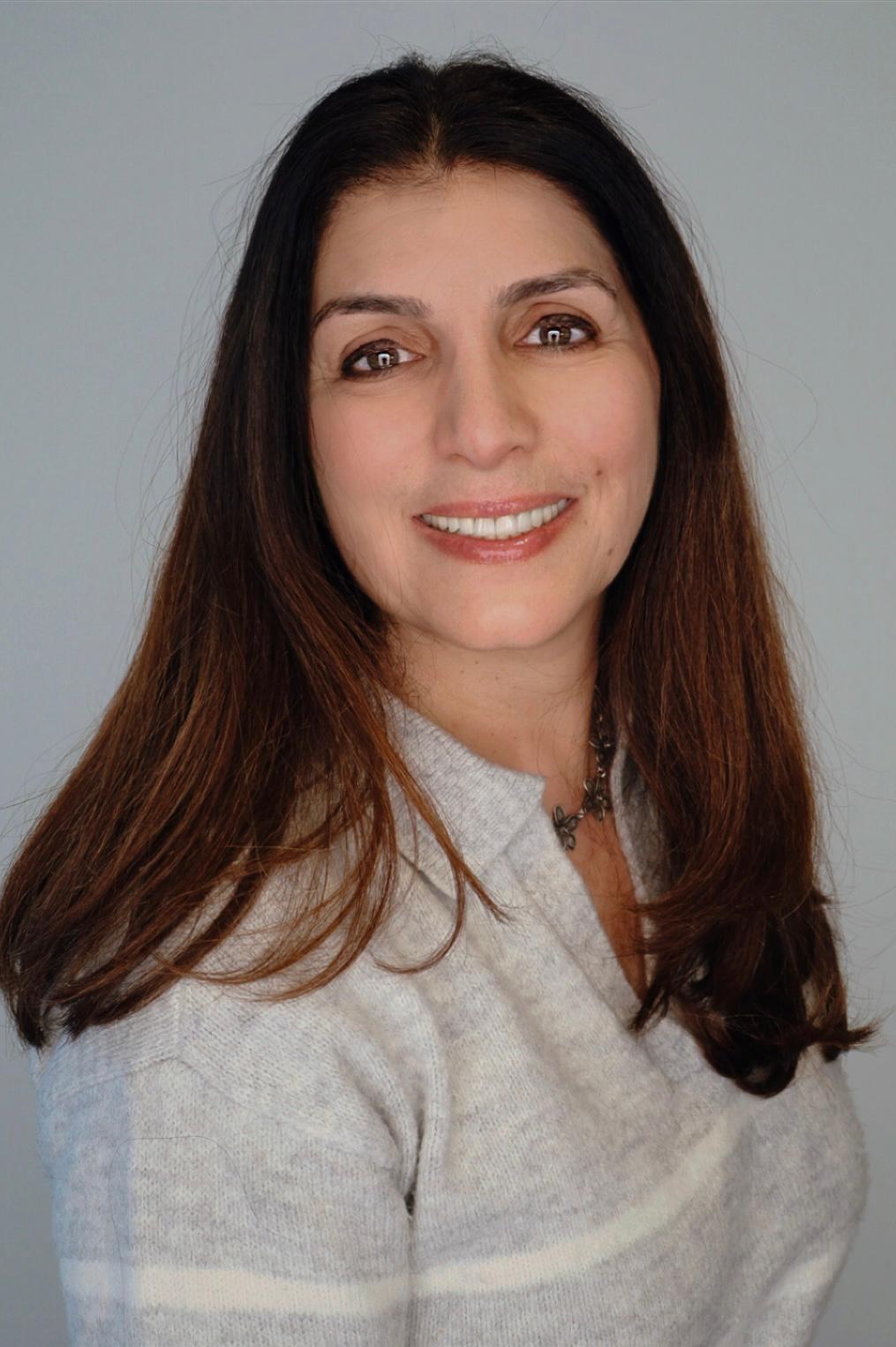
Lina Chawaf is a Syrian journalist, media executive, and researcher with more than three decades of experience in journalism, media development, and freedom of expression. She is the founder and former CEO of Rozana Radio, an independent Syrian media platform established in exile in 2013, dedicated to amplifying underrepresented voices, particularly women. Lina has worked across television, radio, and print since 1992 and has played a leading role in founding and supporting media initiatives in conflict zones including Syria, Libya, and Yemen. She served as President of the Community Media Forum Europe (CMFE) and currently holds research affiliations with Harvard University and Tufts University, focusing on women’s leadership in conflict. A Nieman Fellow at Harvard (2024–2025) and recipient of the 2018 Reporters Without Borders Press Freedom Award, Lina is recognized internationally for her work on press freedom, women’s rights, and ethical journalism.
My truth is my power, but my integrity is my compass.
You founded Rozana Radio from exile in 2013. What did that decision demand of you as a leader?
My leadership journey began more than thirty years ago in Syria, where I entered the world of media determined to tell stories that others were afraid to tell. Over the years, I worked across television, radio, and print, but my real leadership test came when conflict transformed Syria and journalism became a matter of survival. In 2013, from exile, I founded Rozana Radio to create an independent platform for Syrians and to amplify the voices of women and marginalized communities. Leading Rozana through war, displacement, and political pressure taught me resilience, strategic thinking, and how to build institutions under extreme conditions. Later, as President of the Community Media Forum Europe, I expanded my leadership to international advocacy for community media and freedom of expression. Today, my journey continues through research at Harvard and Tufts, where I focus on women’s leadership in conflict and the future of independent journalism.
What impact has independent media had on the communities you set out to serve?
The impact I have created over the years goes beyond journalism it is about building spaces for voices that were systematically silenced. Through founding Rozana Radio, and others radios in Libya, Arbil and Yemen, I helped establish those independent media platforms in exile and local, giving millions of citizens access to reliable information during war and displacement. I created opportunities for women, young journalists, and marginalized communities to speak, lead, and shape public narratives. I contributed to building sustainable media institutions and trained thousands of journalists and media leaders. As President of the Community Media Forum Europe, I strengthened international advocacy for community media and freedom of expression. My work has influenced conversations around women’s rights, press freedom, and ethical journalism, proving that independent media can be a powerful tool for accountability, social change, and democratic resilience.
What do you consider your biggest achievement?
My biggest achievement to date has been creating a way to practice journalism in deeply conservative and authoritarian environments by touching the taboo and crossing red lines without alienating the audience or triggering immediate repression from authorities. I learned how to speak about the unspeakable women’s rights, sexual violence, corruption, religion, and political oppression through storytelling that respected social sensitivities while challenging harmful norms. Through radios I created and my broader media work, I opened spaces for conversations that were once impossible in Syrian society and across the region. This approach allowed thousands of women and marginalized voices to share their realities safely and publicly. It also built trust with audiences who would otherwise reject these issues if presented confrontationally. My work proved that change does not always begin by breaking walls loudly; sometimes it begins by opening small doors carefully, until society is ready to walk through them.
What makes your leadership distinct from others in media and press freedom?
What makes my leadership impact meaningful and unique is that it was born from survival. I come from a deeply conservative society where silence is often imposed on women, especially those who carry painful truths. As a survivor of child sexual abuse, I experienced firsthand how systems of family, tradition, and fear can silence victims and normalize injustice. Instead of allowing that pain to define me, I transformed it into purpose.
My leadership is rooted in breaking silence—not through confrontation alone, but through creating safe spaces for difficult conversations. I developed a way to address taboo subjects—sexual violence, women’s rights, oppression, and freedom—without losing the trust of conservative audiences or provoking unnecessary backlash from authorities. This balance between courage and strategy has made my work effective.
I lead with truth, but also with responsibility, objectivity, and empathy. That combination has allowed me to create change where silence once ruled.
What’s your advice for women leading in high-risk environments?
My advice to future women leaders is simple: never give up telling the truth, especially about the things that hurt you. There will always be people around you telling you to stay silent, to move on, or to hide your pain because speaking out might damage your career, your reputation, or your future. But silence is often the first tool used to control us. They are always trying to shut us up again don’t let them.
At the same time, protect your integrity. As women fighting for rights and justice, it is important not to let feminism take over your objectivity and neutrality. Advocacy without balance can weaken credibility. Leadership means holding space for truth with fairness, even when emotions run deep.
Be brave enough to challenge injustice, but wise enough to remain professional. Your voice is your power use it with courage and responsibility.