

After decades in hospitality, working across luxury resorts, city hotels, island destinations and tourism developments in countries from Sri Lanka and the Maldives to Rwanda, Saudi Arabia and the UAE, I have learned that the experiences travellers remember most are not necessarily the ones that cost the most.
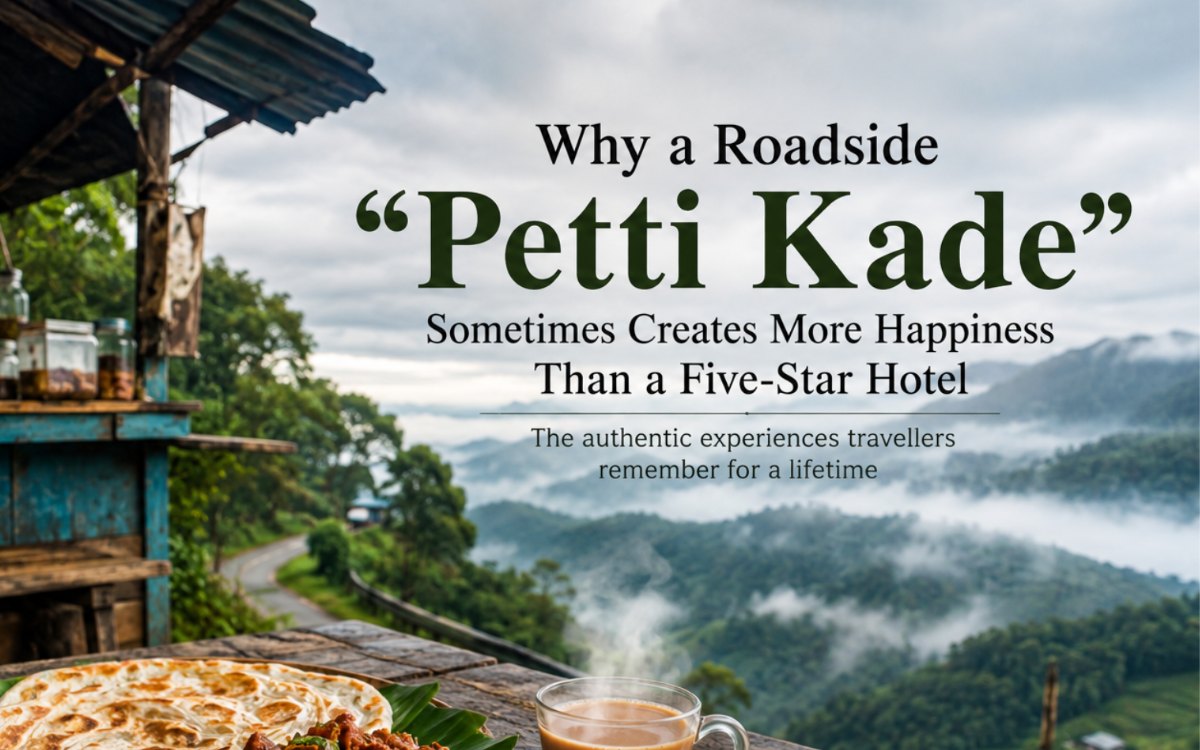
I was reminded of this recently while travelling through Sri Lanka’s hill country. Somewhere along the winding road, I stopped at a small roadside petti kade. It was the kind of place a traveller could easily pass without noticing. There was no elaborate entrance, polished marble or carefully curated luxury. Instead, there was a wooden bench, mist drifting across the mountains, freshly prepared pol roti, a spicy curry made from a family recipe and a steaming cup of ginger tea.
Nothing about the setting would satisfy a conventional definition of luxury. Yet sitting there, watching the landscape disappear and re-emerge through the mist, I felt completely connected to the place. It raised a question that has stayed with me throughout my career: what actually makes a travel experience memorable?
When Luxury Is No Longer Enough
Hospitality has traditionally measured excellence through tangible assets — beautiful rooms, sophisticated restaurants, exceptional facilities and impeccable service. These remain important. Great hotels provide comfort, security and experiences that travellers rightly value. But travel has always been about something more than where we sleep.
We travel because we want to encounter something different from our everyday lives. We remember tastes, conversations, people and unexpected moments.
Sometimes the memory that survives a journey is not the spectacular hotel suite, but breakfast in a village, a conversation with someone we have just met or a meal whose recipe has been handed down through generations.
The original petti kade experience illustrates precisely this kind of authenticity: food, landscape and human interaction coming together without being staged for the visitor.
That is what makes simple local experiences so powerful. They belong to the destinations.
A luxury room can be beautifully recreated in Dubai, Singapore, London or Colombo.
HOSPITALITY INSIDER
But pol roti eaten beside a mist-covered Sri Lankan mountain road belongs to that particular moment and place.
What Five-Star Hospitality Can Learn
None of this diminishes luxury hospitality. I have spent much of my professional life in the sector and believe exceptional hotels remain fundamental to successful tourism destinations. The opportunity is not to choose between luxury and authenticity. It is to bring them closer together.
Hotels can introduce travellers to local cuisine, artisans and storytellers. They can create meaningful partnerships with communities and encourage guests to explore beyond resort boundaries.
Instead of insulating visitors from a destination, great hospitality can become the gateway through which they understand it. We see this desire for connection in many parts of the world. Travellers seek small family-run restaurants, street-food cultures, rural stays and experiences that allow them to participate briefly in everyday life.
For Sri Lanka, the possibilities are particularly compelling. Village kitchens, tea communities, roadside stalls, traditional cooking, agricultural experiences and local storytelling are not secondary attractions. They are part of the country’s cultural wealth. Thoughtfully incorporated into tourism, they can enrich the visitor experience while directing more economic value towards local communities.



Leave a Reply