
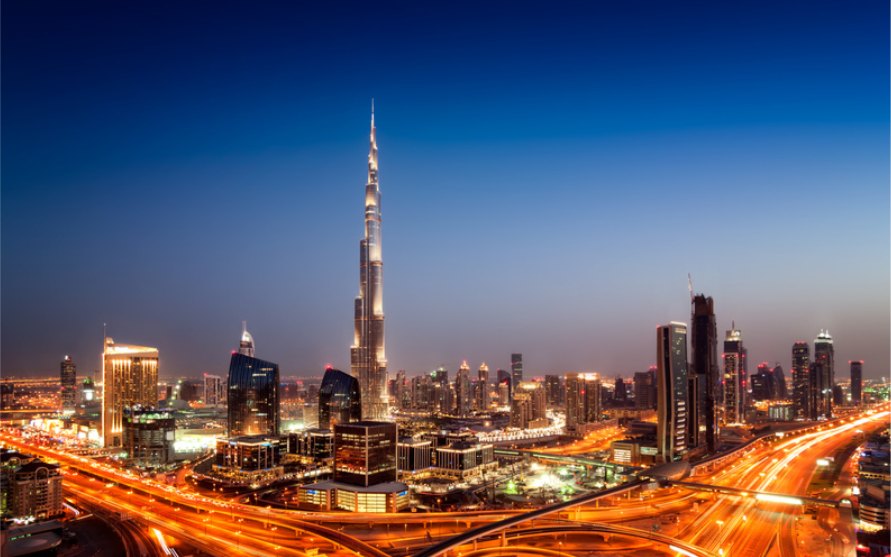
Influence has geography. Certain cities become powerful not simply because they are large, but because capital, policy, culture, talent and ideas repeatedly collide there. London, Dubai, Singapore, New York, Riyadh, Bangkok and other global centres each offer a different model of connection.
For leaders, understanding these cities means looking beyond skylines. Where are decisions made? Which industries are accelerating? What networks connect government, business, academia and culture? And where are new communities of influence forming outside traditional institutions?
What matters is not only where a city sits on the map, but how effectively it brings people, knowledge and opportunity into motion. The most compelling global centres make it easier for entrepreneurs to begin, institutions to cooperate and ideas to travel. Their advantage is not scale alone; it is their ability to turn proximity into possibility.
The next generation of global capitals will be defined by their ability to attract talent, connect regions and convert ambition into institutions that people trust.
The Future of Influence Will Be Increasingly Networked Across Regions.
A city’s influence is rarely contained within its own borders. It travels through the people who move through it: founders seeking capital, policymakers shaping cooperation, creatives changing perception and leaders building bridges across cultures.
This is why connectivity has become a form of power. The strongest global cities do not compete only for towers, tourists or transactions. They create ecosystems in which conversations become collaborations and opportunities travel further than any single institution.
For leaders, the question is no longer simply, Where is the market? It is: Where are the relationships that will shape the market?
The answer may be found in a business district, a university, a hotel lobby, a summit room or an unexpected conversation between people with the courage to think beyond their immediate geography. The future will belong to places that make room for exchange—and to the leaders who know how to connect people, purpose and possibility.
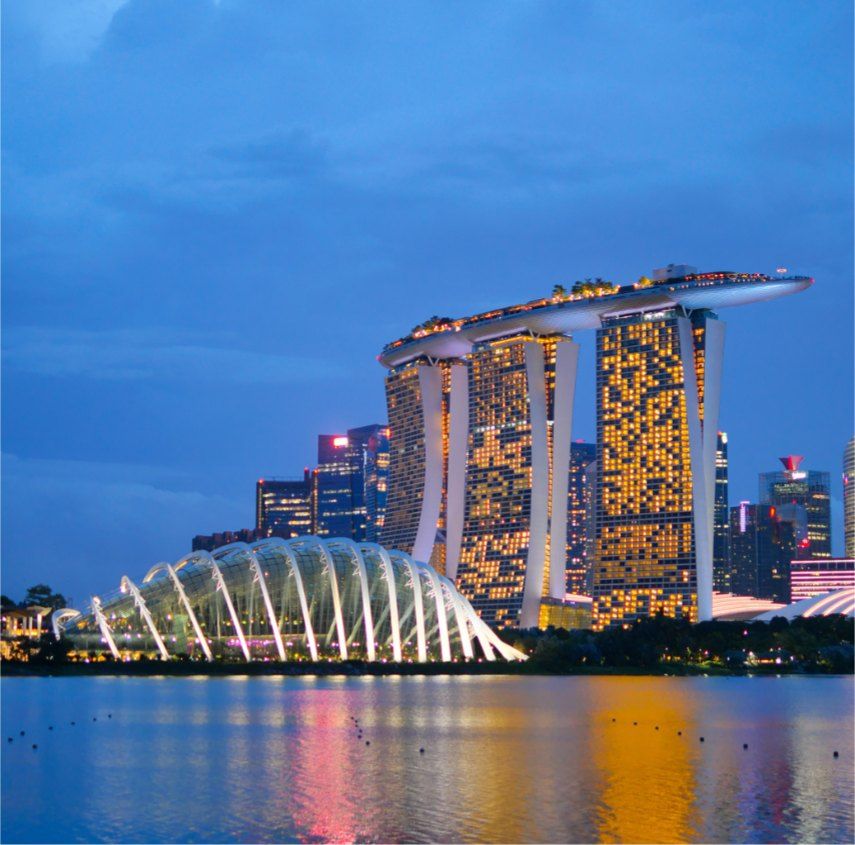
Influence also moves. New corridors are emerging between Asia, the Gulf, Africa and Europe, creating opportunities that do not fit older maps of power. Leaders who understand these shifts early can build networks across markets before they become obvious.
Photo, left to right: PATRICIA ELIAS | G100 Chair, Government & Ministerial Advocacy, Senior Adviser, UN Women RUSUDAN BOLKVADZE | Founder & Director, Magnetic Resort Ureki, Cervantes Gymnasium AIA-GESS
The Networked Leader
Leadership today is less about having the loudest voice in the room and more about creating the conditions in which others can contribute, connect and move forward with confidence.
The networked leader understands that meaningful work is built through trust. She brings people together across disciplines, generations and borders; listens with intention; and recognises that influence grows when knowledge is shared rather than guarded.
In an age of rapid change, the leaders who endure are not those who try to control every outcome. They are the ones who build resilient communities around a clear purpose— making space for collaboration while remaining decisive
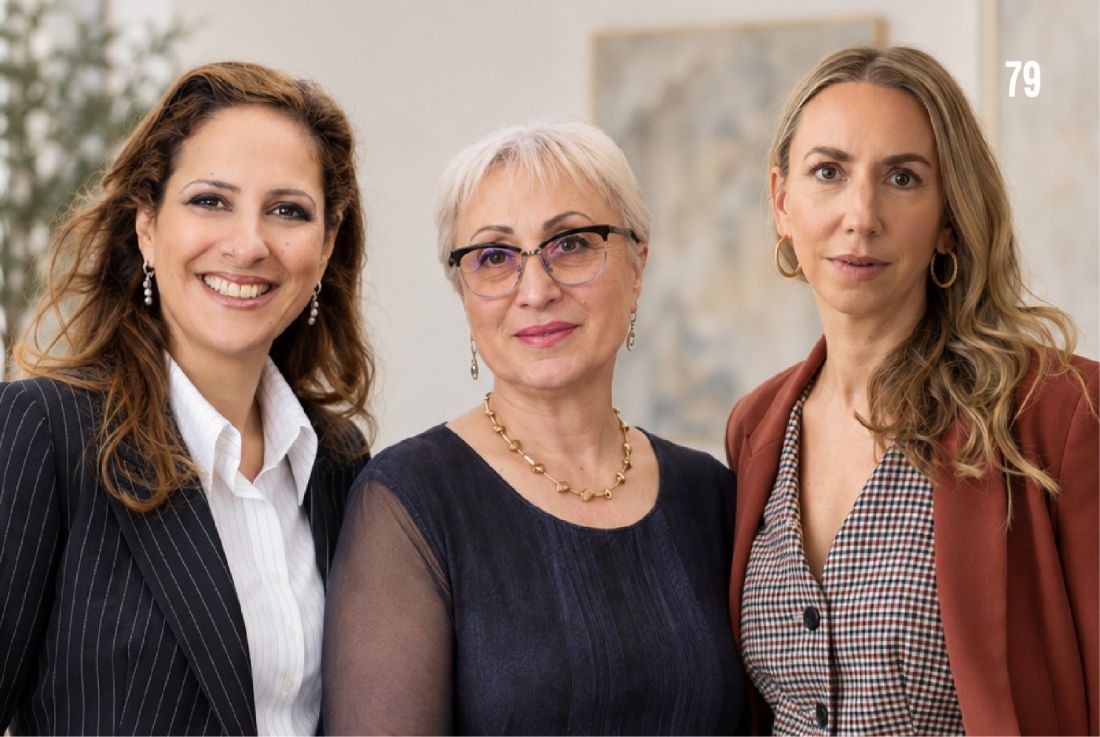
POLLY MILNE | Chief Operating Officer, FuturePlus Technologies when it matters.
Their strength is not only in what they achieve individually, but in the possibilities they unlock for others.



Leave a Reply