
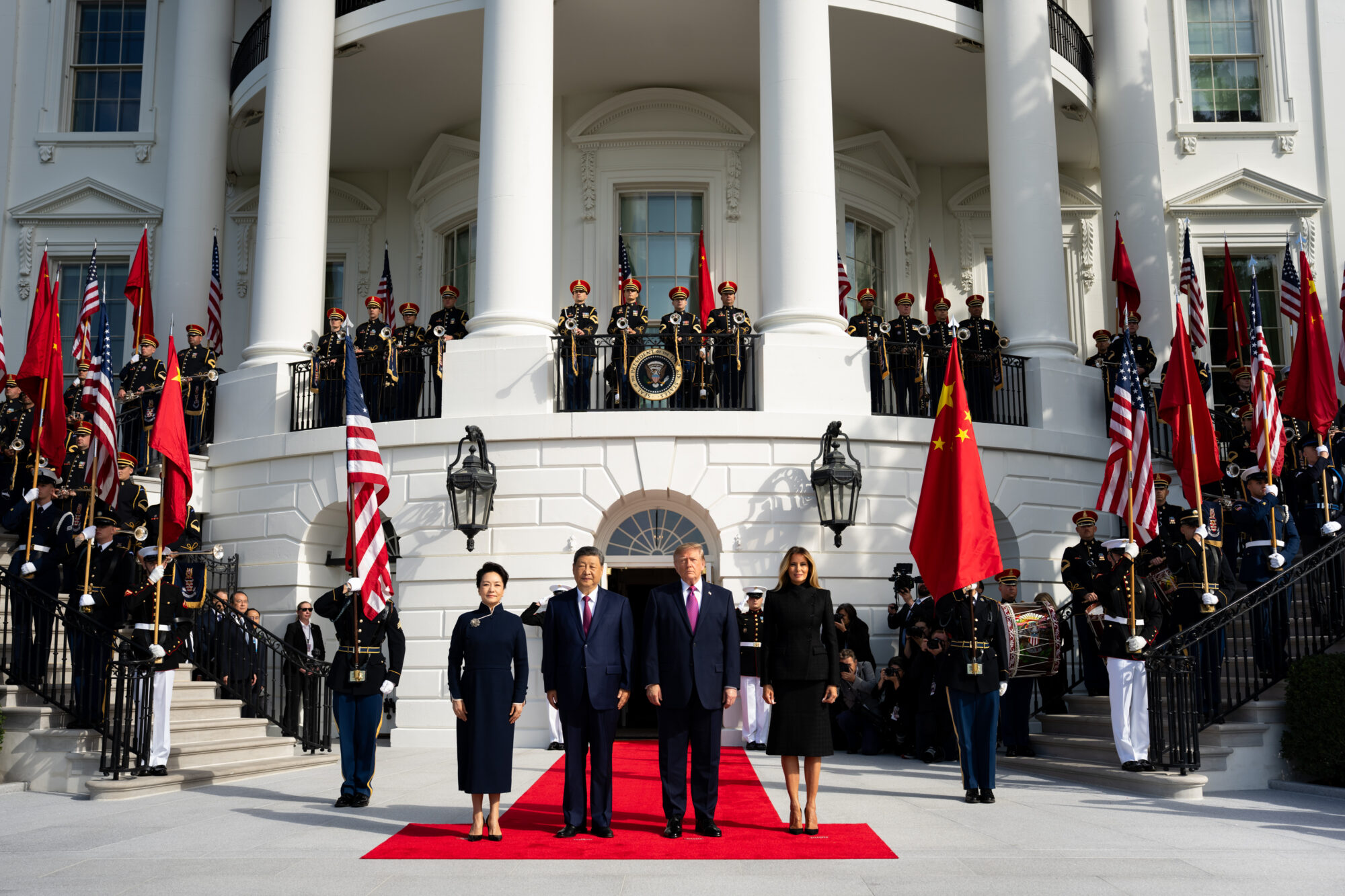
Chinese President Xi Jinping travelled to Washington from 23 to 25 September 2026 for a formal state visit, his first trip to the White House in more than a decade and only the second state visit by a sitting Chinese leader to the United States. President Donald Trump personally greeted Xi and First Lady Peng Liyuan on the tarmac at Joint Base Andrews, an honour the White House said Trump has extended to few other foreign leaders.
The centrepiece was a State Arrival ceremony on the White House South Portico, with a military honour guard, a Rose Garden review and a state dinner in the East Room. According to the White House, Trump called the visit one “of Friendship, Strength, and Success, for both China and the U.S.A,” while Chinese state media quoted Xi telling Trump that the relationship was “like a river that never stops flowing.”
Trade and people-to-people gestures
China’s foreign ministry said before the trip that Xi would hold “an in-depth exchange of views” with Trump on bilateral ties and global security, according to spokesperson Guo Jiakun. Alongside the ceremonial events, Xi used the visit to announce goodwill gestures aimed at easing tension, including an invitation for young Americans to study in China and the transfer of two giant pandas to a US zoo, continuing a decades-old tradition of panda diplomacy between the two countries.
Unresolved disputes remain
Analysts at the Council on Foreign Relations noted the visit was the third in-person meeting between the two leaders in eleven months, following stops in Busan in October 2025 and Beijing in May 2026, with further meetings already pencilled in for November’s APEC summit in Shenzhen and December’s G20 gathering in Florida. The frequency of contact has not resolved the hardest issues between the two powers: Washington’s concerns about Beijing’s tacit support for Russia’s war in Ukraine, China’s position as a major buyer of Iranian oil, the status of Taiwan, and rules for artificial intelligence remain unsettled, according to CFR’s analysis.
Why it matters
The optics of the visit, including Trump’s rare personal airport welcome, signal that both governments want to project stability in the world’s most consequential bilateral relationship even where substantive disagreements persist. With three more leader-level meetings already scheduled before the end of the year, the coming months will show whether the diplomatic warmth translates into agreements on trade and technology or whether the underlying frictions resurface.



Leave a Reply