

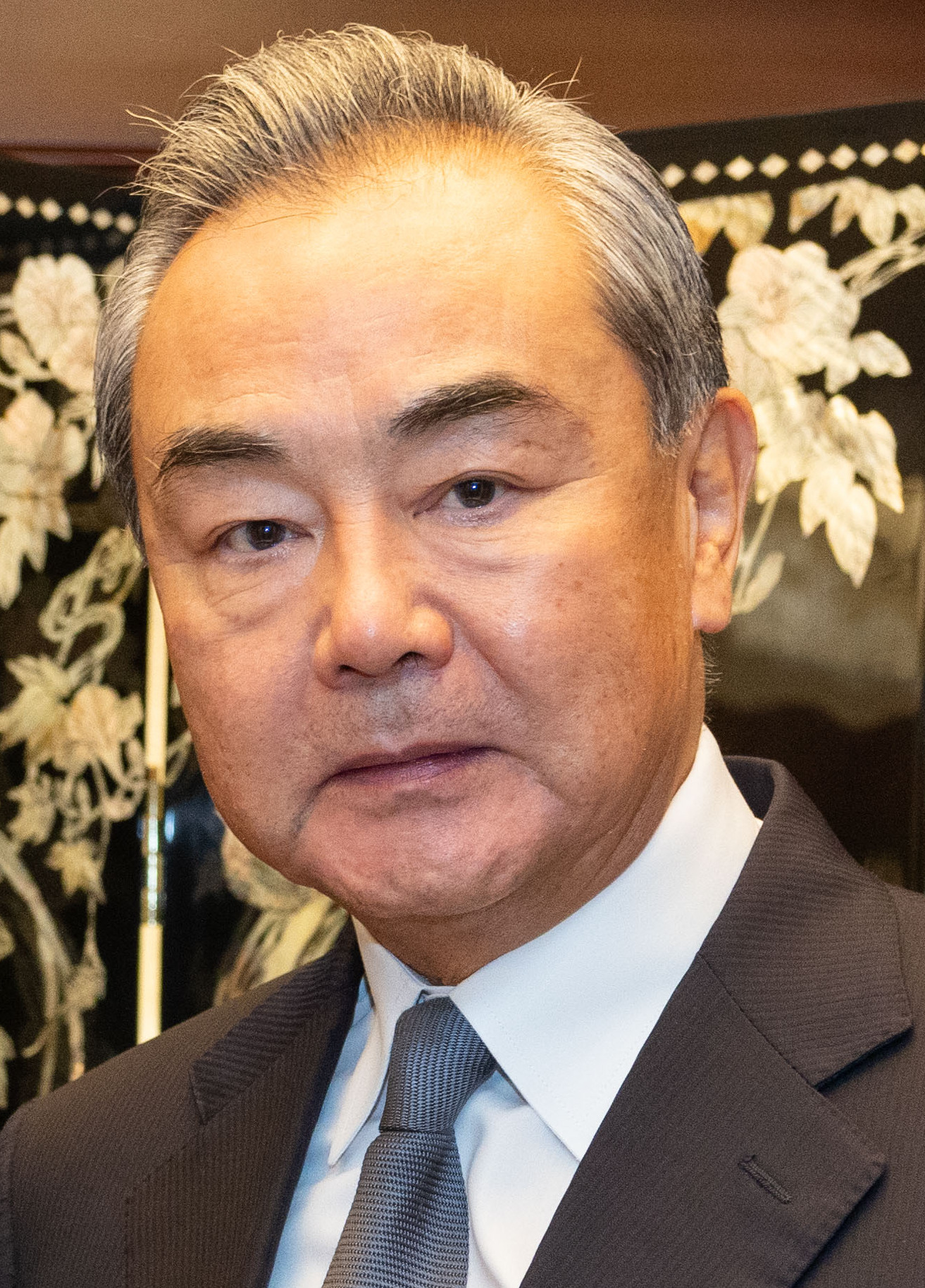
Chinese Foreign Minister Wang Yi met ASEAN Secretary-General Kao Kim Hourn in Beijing on 15 September 2026, with both sides using the occasion to mark five years since China and the Association of Southeast Asian Nations established a comprehensive strategic partnership, and 35 years of dialogue relations. Wang said China was “willing to work with ASEAN to build a closer China-ASEAN community with a shared future,” according to China’s official Xinhua news agency, and described the bloc as “a priority in its neighbourhood diplomacy.”
South China Sea code of conduct still in progress
Much of the discussion focused on the South China Sea, where China and several ASEAN members have overlapping territorial claims. Wang said China would continue implementing the 2002 Declaration on the Conduct of Parties in the South China Sea and advance consultations on a long-delayed, legally binding code of conduct, adding that “safeguarding peace and stability in the South China Sea serves the common interests of regional countries.” Kao responded that “the South China Sea issues should not become an obstacle in ASEAN-China relations,” and said the bloc was ready to work with Beijing to protect regional stability and “deepen and expand practical cooperation in various fields.”
A wider push for stability
A day after the meeting, Kao addressed the Beijing Xiangshan Forum, a Chinese-hosted security conference, arguing that genuine strategic stability “required not only military balance but also strategic reassurance.” He pointed to ASEAN-led mechanisms as channels that help “reduce the risk of miscalculation among countries in the region” and called for open communication, responsible management of competition, respect for international law, inclusive cooperation and confidence-building measures.
Why it matters
The warm language from both sides masks a code of conduct negotiation that has dragged on for more than two decades without conclusion, even as tensions periodically flare between China and claimant states such as the Philippines and Vietnam. How quickly, if at all, the talks move from rhetoric to a binding text will be a key test of whether the anniversary goodwill translates into a durable framework for managing disputes in one of the world’s busiest waterways.



Leave a Reply