

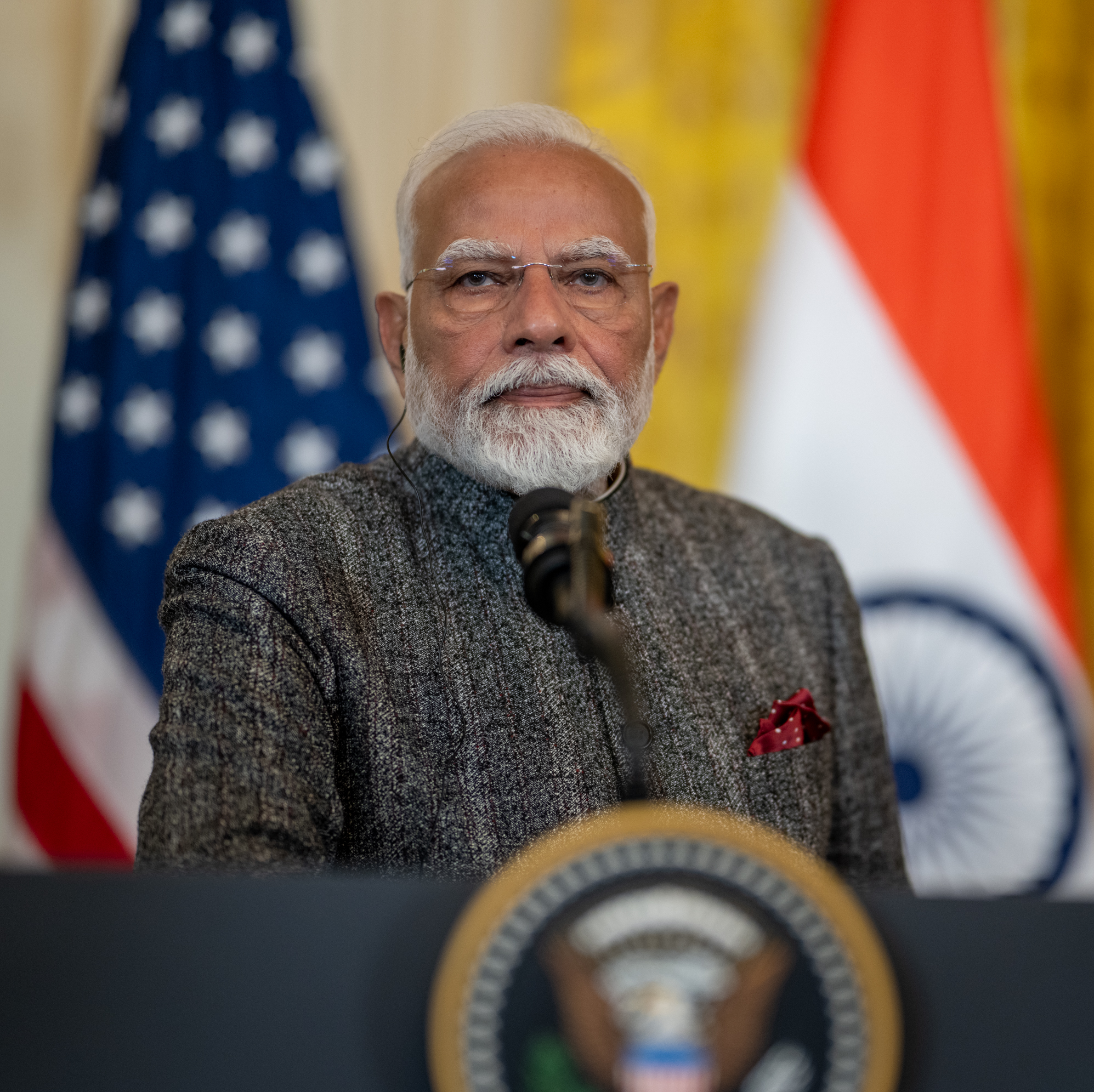
Leaders of the BRICS grouping adopted the New Delhi Declaration on 12 September 2026 at the close of the bloc’s 18th summit, hosted by Prime Minister Narendra Modi at the Bharat Mandapam convention centre. The 140-paragraph consensus document covers global governance reform, trade and finance, energy and climate policy, technology and agriculture, and was reached despite internal tensions among members including India-China rivalry and disagreements over Iran.
Pushing for a bigger seat at the table
The declaration backs reform of the UN Security Council and calls for the International Monetary Fund’s 16th General Review of Quotas to take effect “with no further delay,” seeking to shift voting power toward emerging economies. Modi told the summit the Global South must move from being a “rule taker” to a “rule-shaper,” arguing that it remains “in the front row of global crisis but in the back row when it comes to decision-making.” On trade, the declaration backs continued work on cross-border payment interoperability using BRICS members’ local currencies, while explicitly noting there is “no one-size-fits-all approach” to reducing reliance on the dollar, and the summit stopped short of creating any common BRICS currency.
New initiatives, notable omissions
Leaders endorsed a BRICS Incubator Network, a Startup Innovation Fund, a Logistics Supply Chain Cooperation Framework and a Network on Digital Agriculture using artificial intelligence for farmers, alongside a joint statement on the governance of artificial intelligence. The text calls for “reliable, responsible, diversified, resilient, fair, sustainable, and just” critical mineral supply chains while protecting resource-rich countries’ sovereignty over their reserves. Notably, the declaration does not mention the United States by name despite members having been affected by 2026 tariff actions and the wider Iran conflict, nor does it name Russia’s war in Ukraine.
Why it matters
Modi told fellow leaders that “the world now expects concrete results from us, not just ideas and commitments,” as BRICS heads into its third decade with an expanded membership that increasingly spans the Global South. Whether the declaration’s reform demands gain any traction at the UN or IMF, where major decisions still rest largely with the same established powers BRICS wants to challenge, will determine if this becomes more than another lengthy communique.



Leave a Reply