

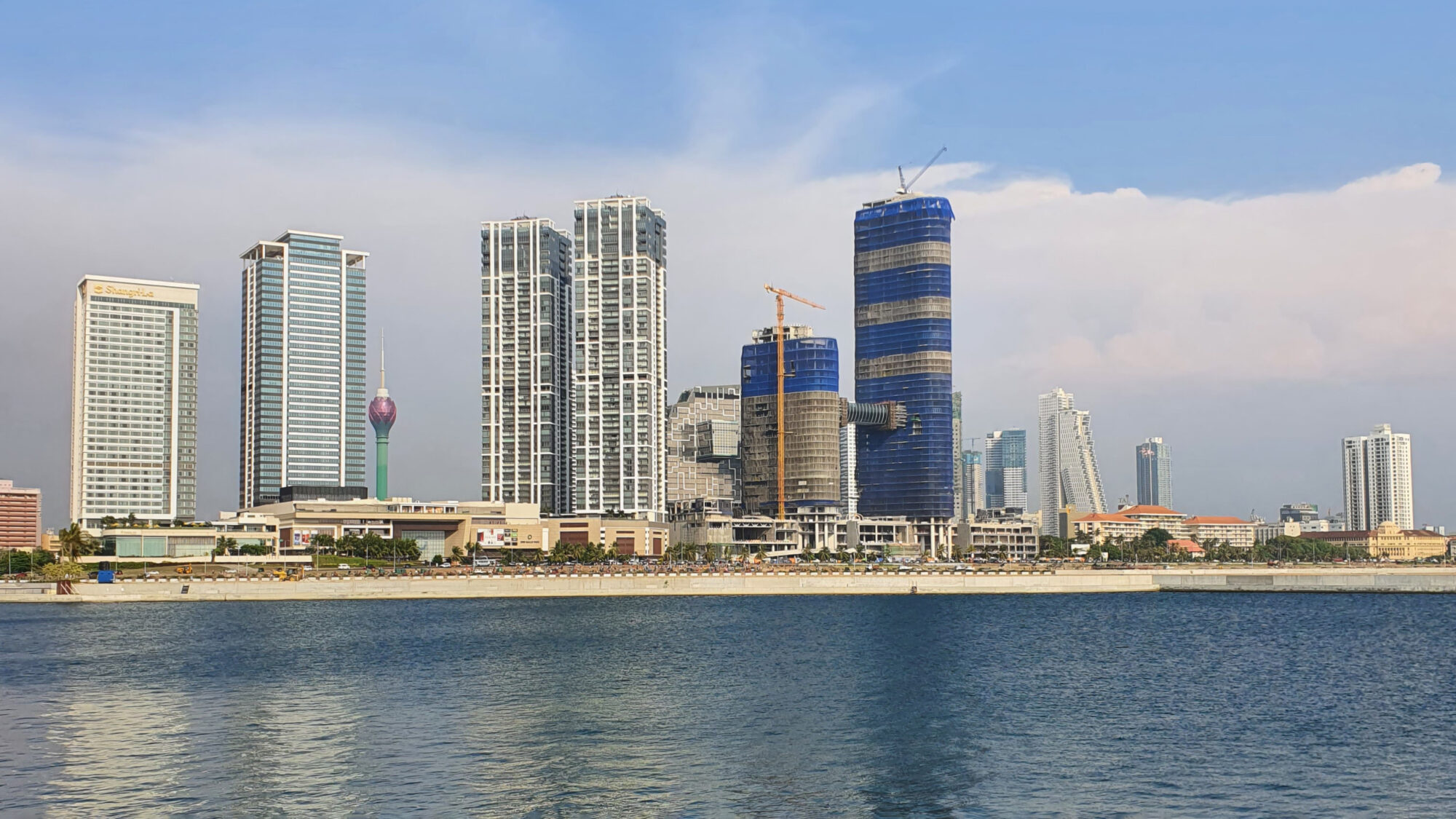
An International Monetary Fund mission led by Evan Papageorgiou spent two weeks in Colombo, from 10 to 23 September 2026, working with Sri Lankan authorities toward the seventh review of the country’s Extended Fund Facility programme and the Fund’s annual Article IV assessment of the economy. The mission left without a staff-level agreement, with the IMF saying discussions would continue “in the near term” on the policies needed to close out the review.
The visit came days after Minister Bimal Rathnayake told local television that Sri Lanka intends to complete its current four-year EFF arrangement when it expires in March 2027 and not seek a further debt-restructuring programme after that. “We will definitely exit this agreement,” he said, while adding that the government expected to keep engaging with the IMF and World Bank as part of normal international economic relations.
A recovery with new headwinds
The IMF said Sri Lanka’s economy grew 4.2 percent in the second quarter of 2026, an eleventh consecutive quarter of expansion, and that gross official reserves had climbed to $6.9 billion by the end of August. Debt restructuring, the process that followed Sri Lanka’s 2022 default and required negotiating with bondholders and bilateral creditors including China, India and Japan, is now largely complete. Inflation, however, rose to 8 percent year-on-year in August, which the Fund attributed to a global oil price shock, while flagging continuing risks from the duration of the war in the Middle East, global trade policy shifts, and a possible El Nino-linked disruption to weather patterns.
Why it matters
Sri Lanka’s programme has been closely watched as a test case for how heavily indebted middle-income countries can work through a coordinated restructuring involving both Western bondholders and Asian bilateral lenders with different priorities. A government voicing confidence about exiting the arrangement on schedule, rather than seeking an extension, would mark a rare instance of a Fund programme in this region ending as originally planned. Whether that confidence survives the still-unresolved seventh review, and external shocks from an oil market unsettled by the war in the Middle East, will shape how other small, debt-stressed economies in the Indian Ocean region weigh the trade-offs of IMF-backed adjustment programmes.



Leave a Reply