

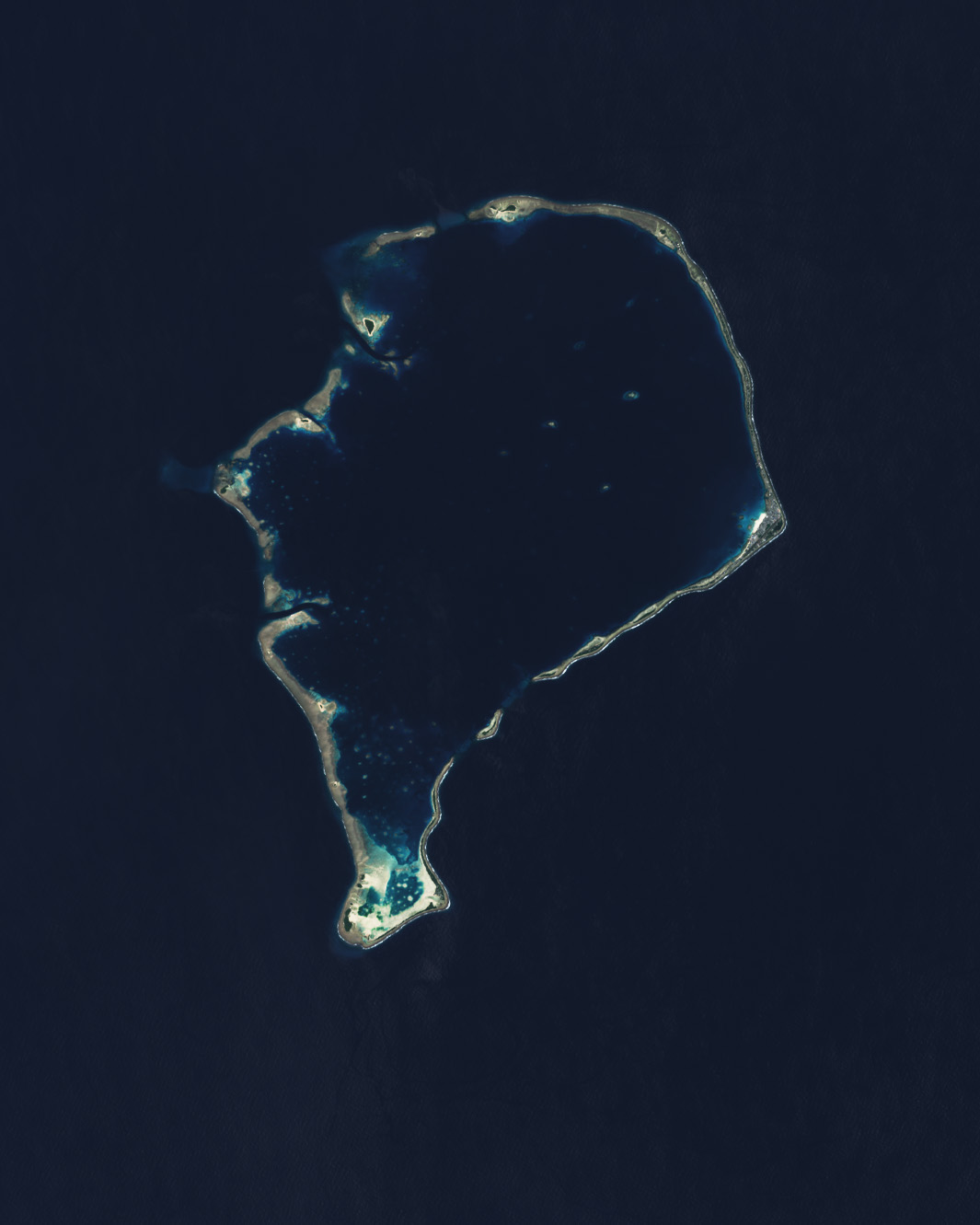
UN member states adopted by consensus a Declaration on Sea Level Rise on 24 September 2026, affirming for the first time in a multilateral political text that a state’s maritime zones and its very statehood continue even if rising seas submerge its territory. The declaration is the outcome of a push led for more than two years by the Alliance of Small Island States, a coalition of 39 low-lying and coastal nations.
The text responds directly to what has been, for atoll nations such as Tuvalu and Kiribati, an open legal question: whether a country that loses its land to the ocean loses its seat at the United Nations, its exclusive economic zone, or its right to negotiate as a sovereign state. UN Secretary-General Antonio Guterres described the stakes starkly, saying “sea level rise is measured in millimetres, but its toll is measured in millions of shattered lives.” Palau’s President Surangel Whipps Jr, speaking on behalf of small island states, said the climate crisis “is not of our making” yet “threatens our culture, our heritage, our identities.”
A legal problem years in the making
The declaration follows a mandate set by a 2024 General Assembly decision, which asked the UN International Law Commission to examine sea level rise in relation to international law, and drew on earlier AOSIS declarations dating back to 2023 that first pushed for recognition of continued statehood despite territorial loss. Global sea levels rose by almost six millimetres in 2024 alone, the largest annual increase on record, and the Intergovernmental Panel on Climate Change has projected a further half-metre of rise by 2100 even under optimistic emissions scenarios. Close to 900 million people currently live in low-lying coastal areas.
Why it matters
A General Assembly declaration is a political statement, not a binding treaty, and it does not by itself settle every question international lawyers have raised about the practicalities of statehood without territory. But it gives small island states a text they can point to in future disputes over fishing rights, seabed resources or UN representation, and it puts on record that the international community accepts the principle that climate-driven displacement should not erase a nation’s legal existence. Members agreed to revisit financing and implementation questions before the General Assembly’s current session ends, meaning the harder argument over who pays for adaptation in the meantime remains unresolved.



Leave a Reply