

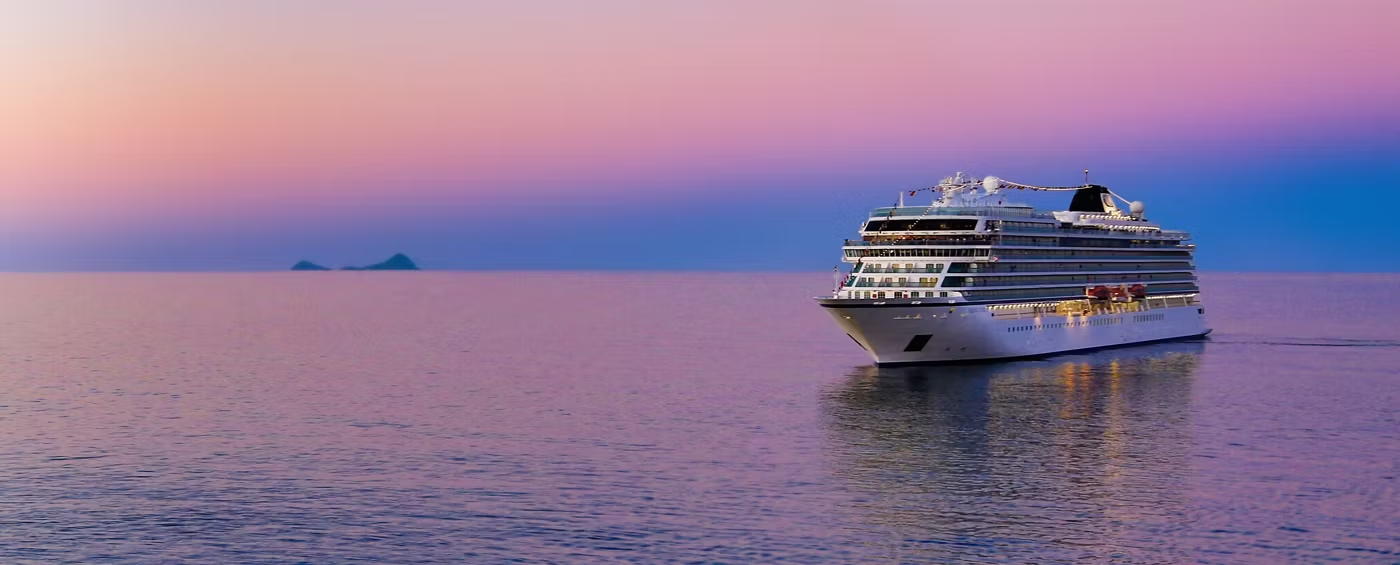
Viking Libra, billed as the world’s first hydrogen-powered cruise ship, floated out at Fincantieri’s Ancona shipyard in Italy on 19 March 2026 and is on track for delivery in November, ahead of an inaugural season sailing the Mediterranean and Northern Europe. The 54,300-gross-tonne ship will carry up to 998 passengers across 499 staterooms.
The vessel’s propulsion system, developed with Fincantieri subsidiary Isotta Fraschini Motori, combines liquefied hydrogen with fuel cells to generate up to six megawatts of power, enough to run the ship’s engines and onboard electricity with zero emissions. Torstein Hagen, Viking’s chairman and chief executive, called the float out “another milestone for Viking and our continued partnership with Fincantieri,” adding that “investing in hydrogen was a principled choice for Viking, offering a true zero emission solution.”
A ceremonial send-off, then months of fitting out
The float out itself involved a ceremonial cord-cutting followed by a two-day process of filling the dry dock with water before the ship moved to an outfitting berth for the months of interior and technical work still needed before delivery. Viking’s sister ship, Viking Astrea, is also under construction and will use the same hydrogen technology when it is delivered in 2027, suggesting the propulsion system is intended as a template rather than a one-off experiment.

Part of a bigger year for new ships
Viking Libra arrives amid what the cruise industry expects to be its largest single-year jump in capacity in the current shipbuilding cycle, with roughly a 9% rise in passenger capacity across the sector in 2026. Most of that growth is coming from conventionally powered ships, which makes Libra’s zero-emission technology a comparatively small but closely watched experiment within a fast-growing industry still working out how to cut its carbon footprint.

Why it matters
Cruising has faced persistent criticism over its environmental footprint, from fuel emissions to port congestion, and a genuinely zero-emission ship able to carry nearly a thousand passengers would be a meaningful proof point for the technology at commercial scale. Whether hydrogen propulsion can be built and fuelled affordably enough to spread beyond a single flagship vessel will depend on how Viking Libra performs once it begins carrying paying passengers later this year.



Leave a Reply