

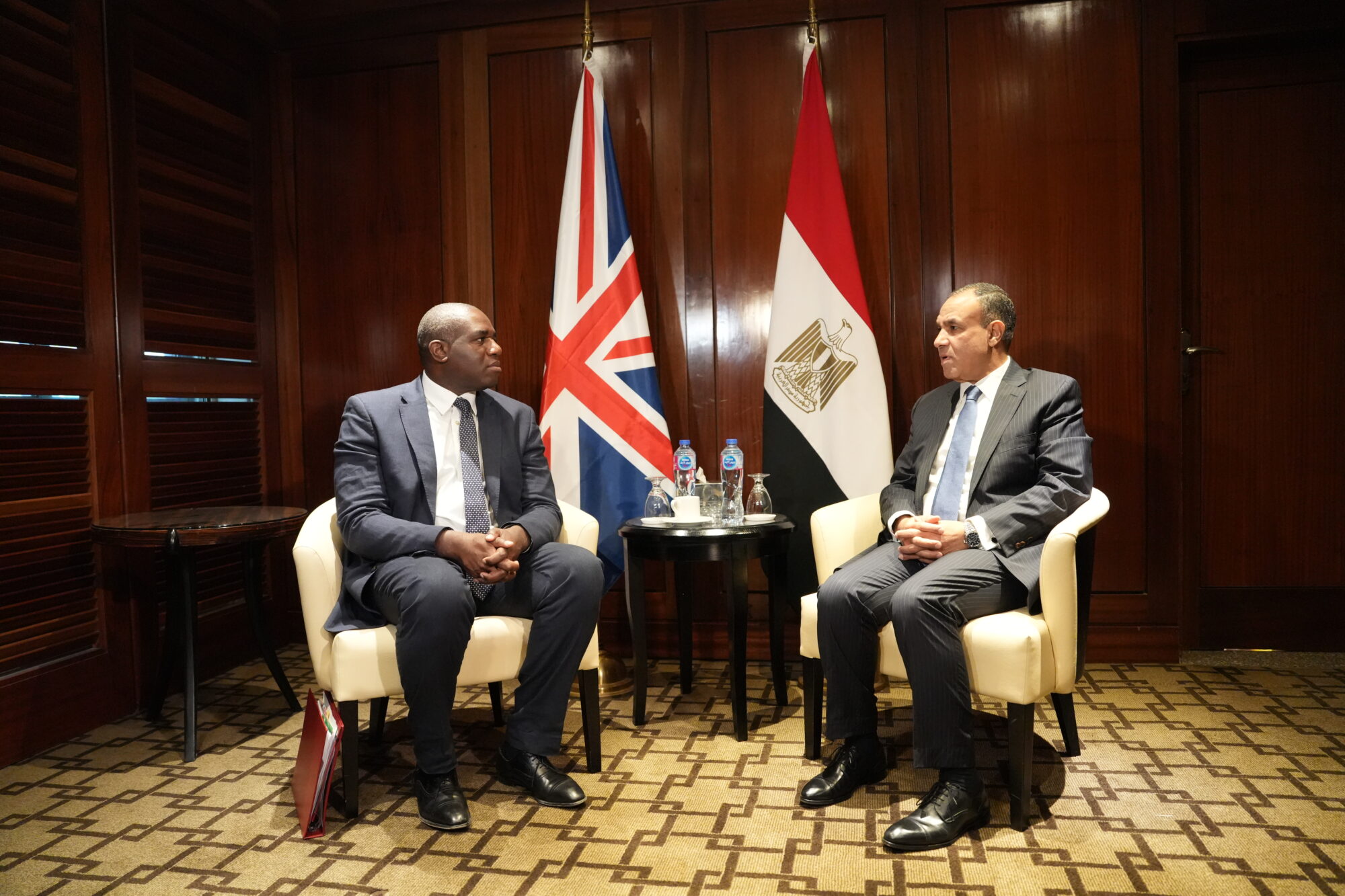
The foreign ministers of Turkiye, Egypt, Indonesia, Jordan, Pakistan, Qatar, Saudi Arabia and the United Arab Emirates issued a joint statement on 21 September 2026, meeting on the margins of the UN General Assembly’s high-level week in New York to press Israel over its outstanding obligations under the first phase of the Gaza ceasefire.
Pressing for the plan’s next phase
The eight ministers said they remained “gravely concerned” about the humanitarian situation in Gaza and urged Israel to “immediately fulfil its outstanding commitments under the First Phase” of the US-brokered Comprehensive Plan to End the Gaza Conflict, including unobstructed delivery of aid and maintaining the ceasefire. They said the agreed roadmap provides the framework for the plan’s Second Phase, covering an Israeli withdrawal, deployment of an International Stabilization Force, and reconstruction overseen by a proposed National Committee for the Administration of Gaza.
Reaffirming statehood and rejecting displacement
The statement reaffirmed the group’s commitment to “a credible and irreversible pathway towards the exercise of the Palestinian people’s right to self-determination and the realization of a sovereign, viable, and independent Palestinian State with East Jerusalem as its capital, through the implementation of the two-State solution.” The ministers also rejected “any measures aimed at the expulsion or the forced displacement of the Palestinian people” and condemned continued settlement expansion and what they described as efforts to alter the demographic makeup of occupied territories. It was the latest in a series of joint statements the same eight countries have issued since August, each responding to specific developments in the Gaza ceasefire’s uneven implementation. The same eight countries had already condemned, in a joint statement on 6 September 2026, remarks by Israeli National Security Minister Itamar Ben-Gvir and Defence Minister Israel Katz calling for the forced removal of Palestinians from Gaza.
Why it matters
The repeated joint statements from this bloc of Arab and Muslim-majority states show a sustained, coordinated diplomatic effort to keep pressure on Israel and on international mediators to move beyond the ceasefire’s first phase, at a point when aid access and reconstruction plans for Gaza remain unresolved months after the fighting stopped. Whether the Second Phase, including an international stabilisation force and a Gaza administration committee, can actually be stood up will determine whether these statements mark genuine diplomatic momentum or simply a record of frustration.



Leave a Reply