
Envoys from a five-body coalition known as the Quintet, made up of the African Union, the Intergovernmental Authority on Development (IGAD), the League of Arab States, the European Union and the United Nations, travelled to Khartoum from 8 to 10 September 2026 for direct political consultations with Sudanese stakeholders, in what organisers described as the group’s first joint mission to the country since fighting between the Sudanese Armed Forces and the Rapid Support Forces began in April 2023.
Meetings across the political divide
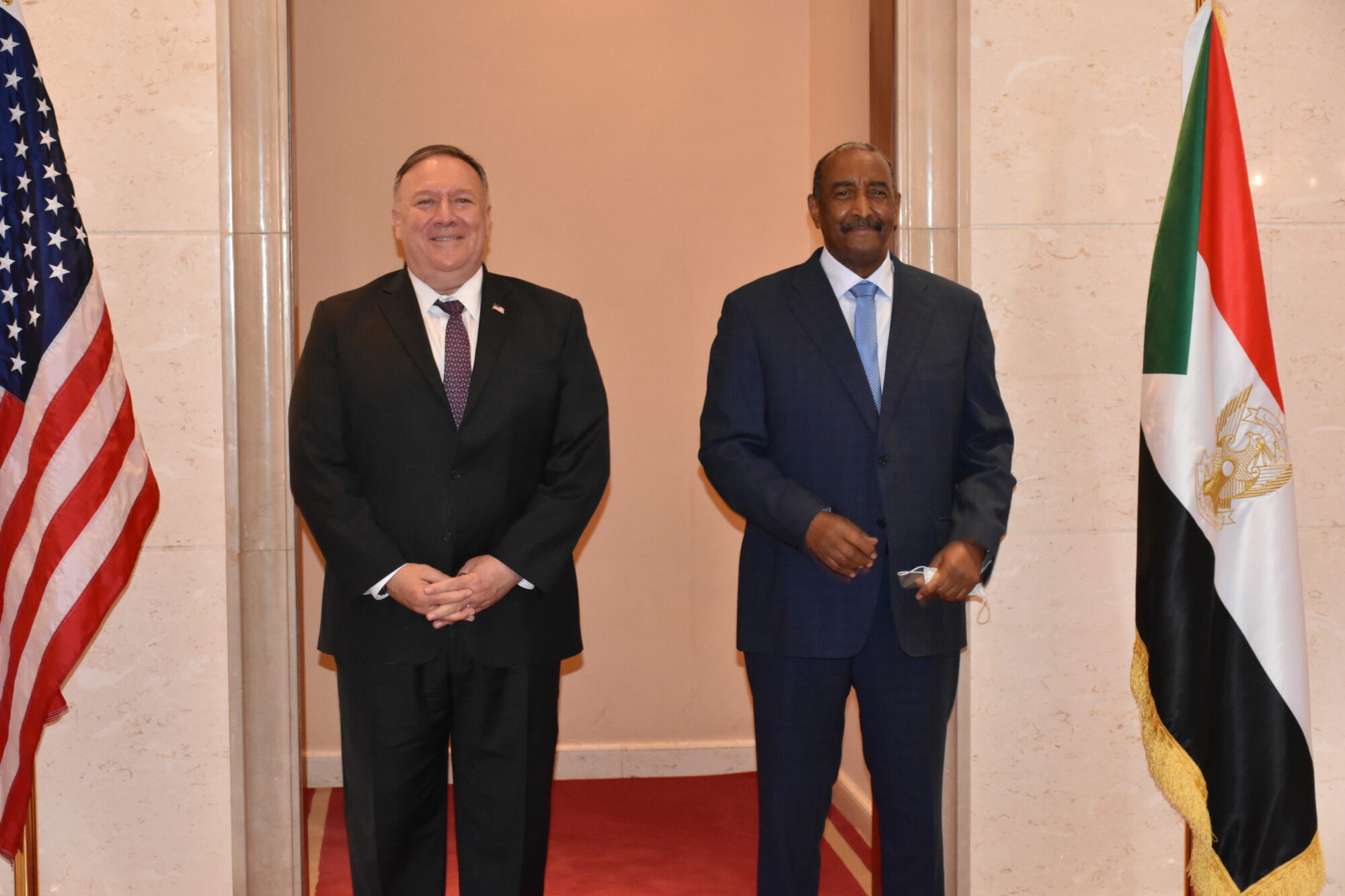
The Quintet delegation, led by the African Union’s High Representative for Silencing the Guns, Mohamed Ibn Chambas, alongside UN envoy to Sudan Pekka Haavisto, EU Special Representative for the Horn of Africa Annette Weber, IGAD Special Envoy for Sudan Lawrence Korbandy and Arab League Director for Sudan and the Horn of Africa Zaid Al-Sabban, met Sudanese Armed Forces commander and Sovereignty Council chairman Lieutenant General Abdel Fattah al-Burhan and Prime Minister Kamil Idris. The envoys also held talks with the Democratic Bloc Alliance and the Sudanese-Sudanese Dialogue Preparation Committee, and attended a working dinner hosted by Sudan’s finance minister with a range of political and civilian figures.
Building toward a civilian-led track
According to the Quintet’s own account of the visit, the mission’s goal in recent months has been to establish an inclusive political track among Sudanese stakeholders aimed at eventually restoring a democratic, civilian-led government. The delegation described its discussions with the Sovereignty Council leadership, the Prime Minister and the Democratic Bloc as constructive, though the visit produced no announced agreement or ceasefire, reflecting the difficulty of building political consensus while the military conflict between the army and the Rapid Support Forces continues elsewhere in the country.
Why it matters
More than three years into a war that has displaced millions of people and repeatedly defied earlier mediation efforts, the Quintet’s decision to send its principals to Khartoum together, rather than through separate initiatives, signals an attempt by regional and international bodies to coordinate rather than compete on Sudan diplomacy. Whether the political consultations begun in September can be widened into a genuine national dialogue, while the fighting continues, will determine if this mission marks a turning point or another entry in a long list of visits that have yet to end the war.



Leave a Reply