

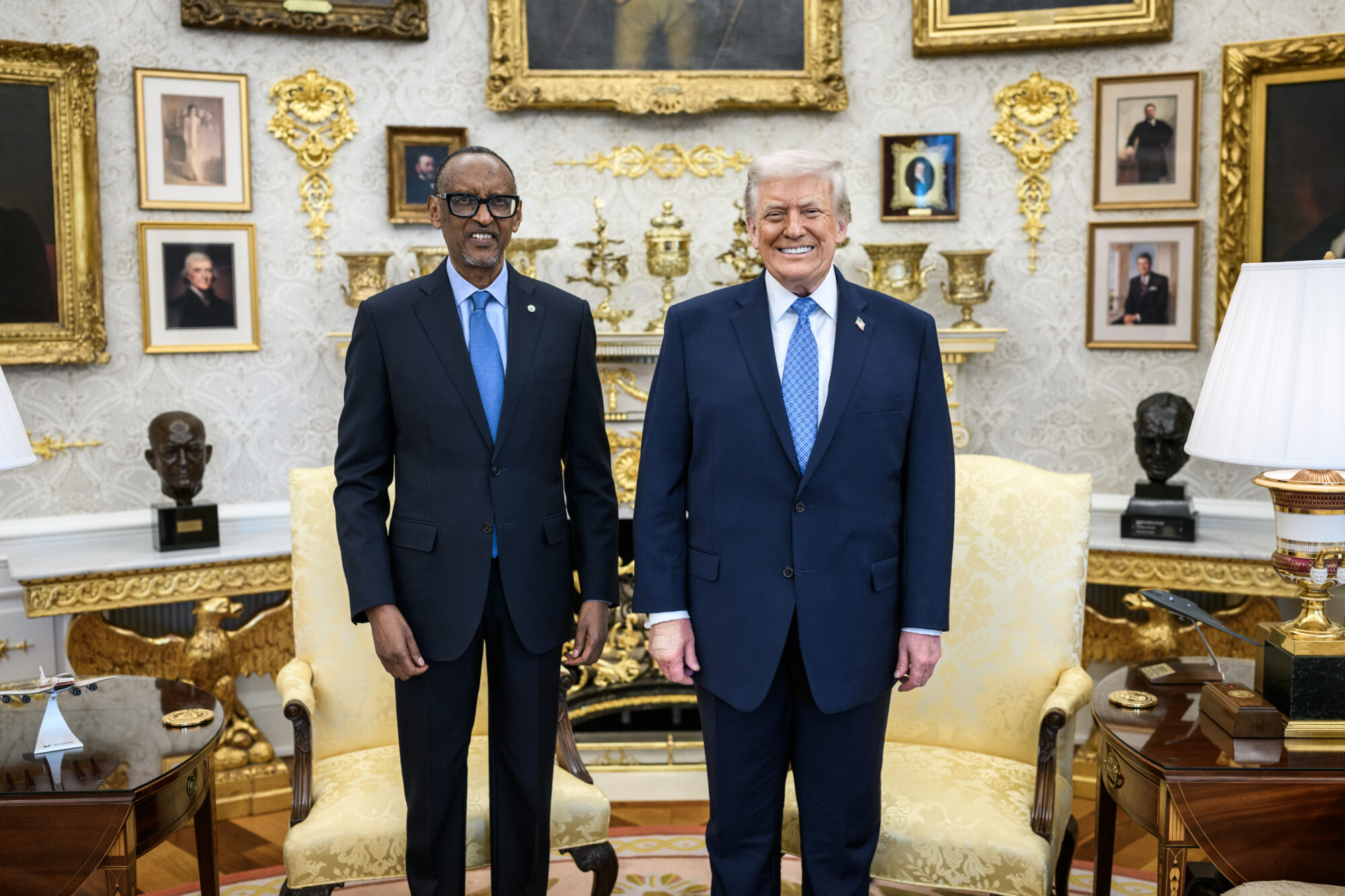
Officials from Rwanda and the Democratic Republic of the Congo met in Geneva on 16 and 17 September 2026 for a session of the Joint Security Coordination Mechanism, the body set up to monitor security commitments under the Washington Accords, as both governments remained short of completing the agreement’s two central obligations more than a year after signing it.
The mechanism brought together Rwandan and Congolese representatives alongside mediators from the United States, Qatar, Togo and the African Union Commission. It was created after Rwanda and the DRC signed the Washington Accords on 27 June 2025 and reaffirmed the agreement on 4 December 2025, in a process the United States has presented as its flagship effort to end fighting in the eastern DRC.
Two unmet obligations
The talks centred on obligations that have anchored the agreement since its signing: the DRC’s neutralisation of the FDLR, an armed group with roots in Rwanda’s 1994 genocide, and Rwanda’s disengagement of forces and removal of defensive measures along the border. According to a Security Council Report forecast of the meeting, neither obligation had yet been declared complete. The DRC presented a disarmament, demobilisation and reintegration plan for the FDLR at a preparatory meeting in August, but Rwanda has separately rejected a protocol Kinshasa signed in July with a breakaway FDLR faction, arguing that negotiating with the group contradicts the accord’s requirement that it be neutralised outright rather than accommodated.
A trilateral conference in October
Rather than declaring a breakthrough, the parties agreed in Geneva to hold a trilateral planning conference in October to draw up revised operational guidance for coordinating the two outstanding tracks. Fighting has continued in the eastern DRC’s North Kivu and Ituri provinces throughout the process, with the M23 armed group remaining the central obstacle to a durable ceasefire even as the state-to-state mechanism between Kinshasa and Kigali edges forward on its own separate timeline.
Why it matters
The Washington Accords were built around a sequencing logic: Rwandan disengagement tied to Congolese action against the FDLR, each side waiting to move until it sees the other follow through. More than a year after signing, that sequencing has produced repeated rounds of talks rather than a verified handover of either commitment, even as the mediating powers, chiefly the United States, continue to describe the framework as the region’s best available path to a settlement. The October conference will be an early test of whether a revised operational plan can break the stalemate, or whether the mechanism continues to meet without either side moving first.



Leave a Reply