
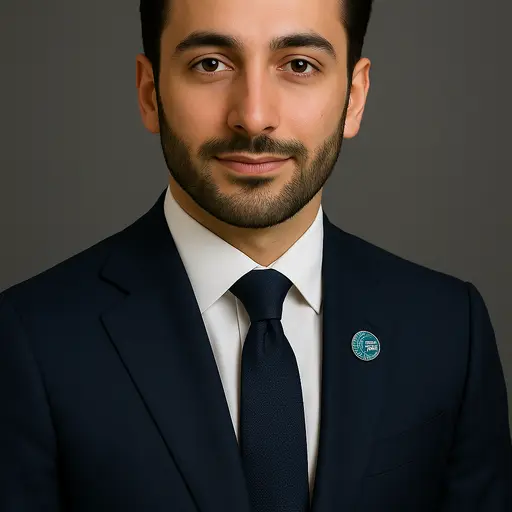
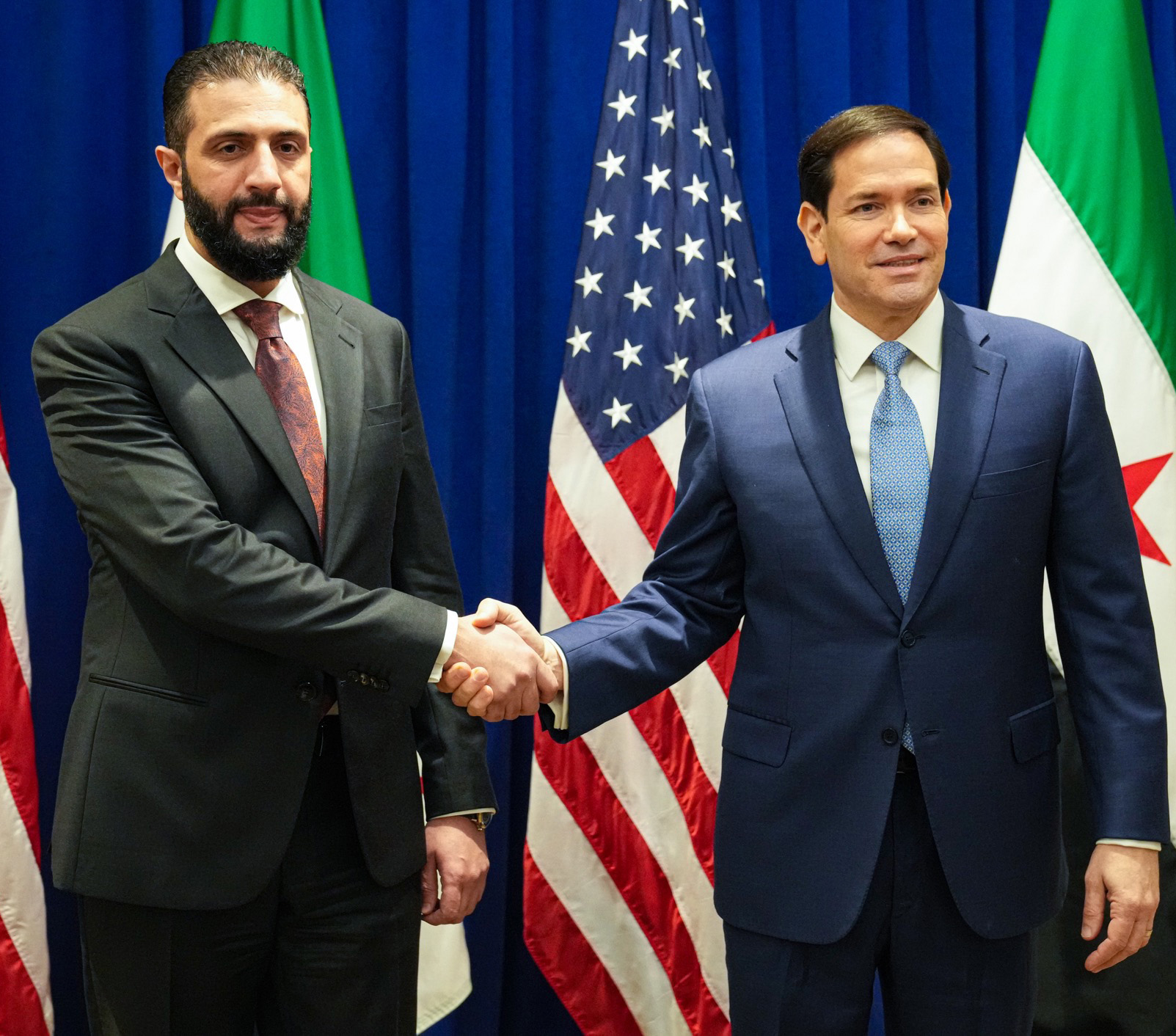
Syrian President Ahmed al-Sharaa told the United Nations General Assembly on 23 September 2026 that his country had entered what he called a new phase of revival, describing the return of more than three and a half million displaced Syrians and refugees since the fall of the Assad government. “The war has laid down its burdens, the bloodshed has stopped, and the destruction has ceased,” he said, adding that recovery had returned to “this wounded country” alongside the voluntary and dignified return of its people.
The address came a day after US Senator Jeanne Shaheen, ranking member of the Senate Foreign Relations Committee, met al-Sharaa on the sidelines of the General Assembly’s high-level week. Shaheen’s office said she discussed continued progress in the US-Syria relationship and welcomed Congress’s repeal of Assad-era Caesar Act sanctions along with the State Department’s formal removal of Syria from its state sponsors of terrorism list.
From crisis to convener
Al-Sharaa framed Syria’s transition as extending beyond its own borders, telling the Assembly that his government was “transforming Syria from a crisis batted between nations into an opportunity for good around which nations can unite.” He pointed to weapons previously held by non-state armed groups now under government control, rebuilt security institutions, and transitional justice measures under way, and positioned Damascus as a contributor to stability in the wider region.
A year of sanctions relief
The speech capped roughly a year of rapid diplomatic normalisation since the UN Security Council voted in November 2025 to drop sanctions on al-Sharaa ahead of his first visit to Washington. Twelve months earlier, in his first address to the same Assembly, al-Sharaa had urged the international community to lift sanctions altogether; this year’s speech instead catalogued relief already granted rather than relief still sought, an indication of how far the diplomatic position of Syria’s transitional government has shifted in a single year.
Why it matters
A president addressing the General Assembly with sanctions largely behind him, rather than in front of him, marks an unusually fast diplomatic rehabilitation for a government that took power at the end of 2024. The reported return of more than three and a half million people is a claim made by al-Sharaa’s own government rather than an independently verified figure, and questions remain about the durability of Syria’s security institutions and the transitional justice process he referenced only briefly. His pledge to “demonstrate progress” at next year’s session sets a marker international observers are likely to hold him to.



Leave a Reply