
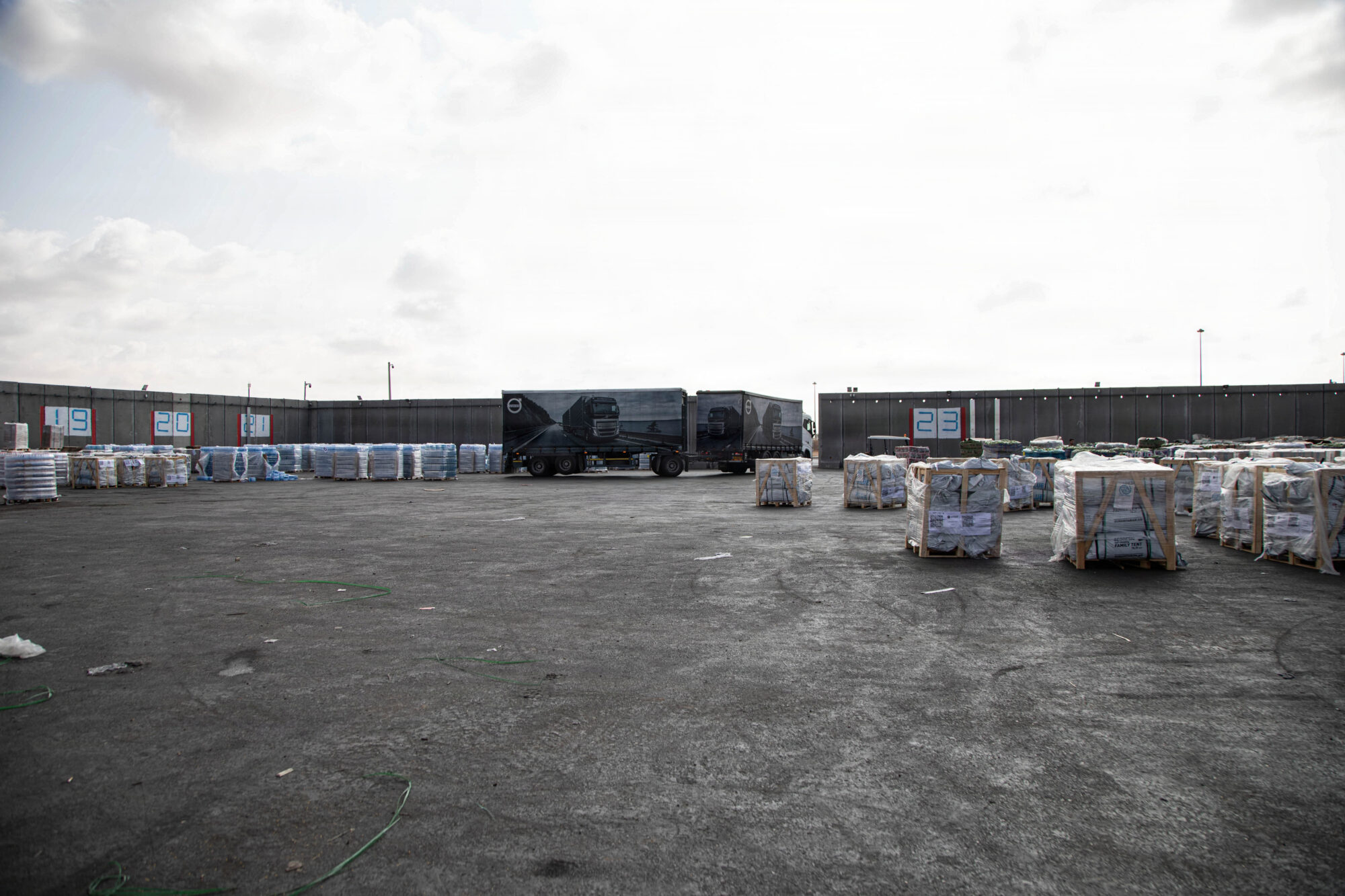
Nearly a year after the UN Security Council authorised an International Stabilization Force to help secure Gaza under the US-backed plan to end the war, the force still has not deployed, with several states expected to anchor it either scaling back their pledges or declining to commit troops at all, according to reporting published on 26 September 2026.
The Security Council endorsed the plan and authorised the force in Resolution 2803, adopted in 2025 by a vote of 13 in favour to none against, with China and Russia abstaining. The resolution set out a broad mandate: providing security, supporting humanitarian operations, training Palestinian police and helping decommission weapons, as Gaza moves through a transition overseen by a newly created Board of Peace.
Contributors so far, and notable absences
Albania has offered staff officers for the force’s command structure, Kazakhstan and Kosovo, including demining specialists, have signalled participation, Morocco has offered up to 500 personnel and Uganda around 1,200. Indonesia had initially planned to contribute 1,000 troops by April 2026, rising to as many as 8,000 by June, but placed its deployment on indefinite hold in August, with its foreign ministry noting that Indonesian troops would have no mandate to demilitarise any party, a limitation that sits awkwardly against the resolution’s decommissioning requirements. Saudi Arabia, the United Arab Emirates, Egypt, Jordan and Qatar, the Arab and Muslim-majority states expected to play the largest roles, have not made comparable troop commitments, even as they continue to support elements of the wider peace framework diplomatically.
A circular problem
Part of the delay traces to a sequencing puzzle at the plan’s core. Israeli withdrawal from parts of Gaza is tied to progress on demilitarising armed groups, while decommissioning those weapons is in turn made harder without an Israeli withdrawal already under way, leaving potential troop contributors uncertain what their soldiers would actually be asked to do on arrival, and reluctant to commit before that question is settled.
Why it matters
A Security Council resolution that authorises a force is not the same as a force that exists: without troops on the ground, disarmament, governance transfer and reconstruction under Resolution 2803 all remain largely theoretical, even as the limited ceasefire in place since October 2025 continues to hold in name. For Gaza’s roughly two million residents, the gap between an internationally endorsed plan and an internationally staffed one is not a technicality but the difference between a transition that is under way and one that exists mainly on paper in New York.



Leave a Reply