

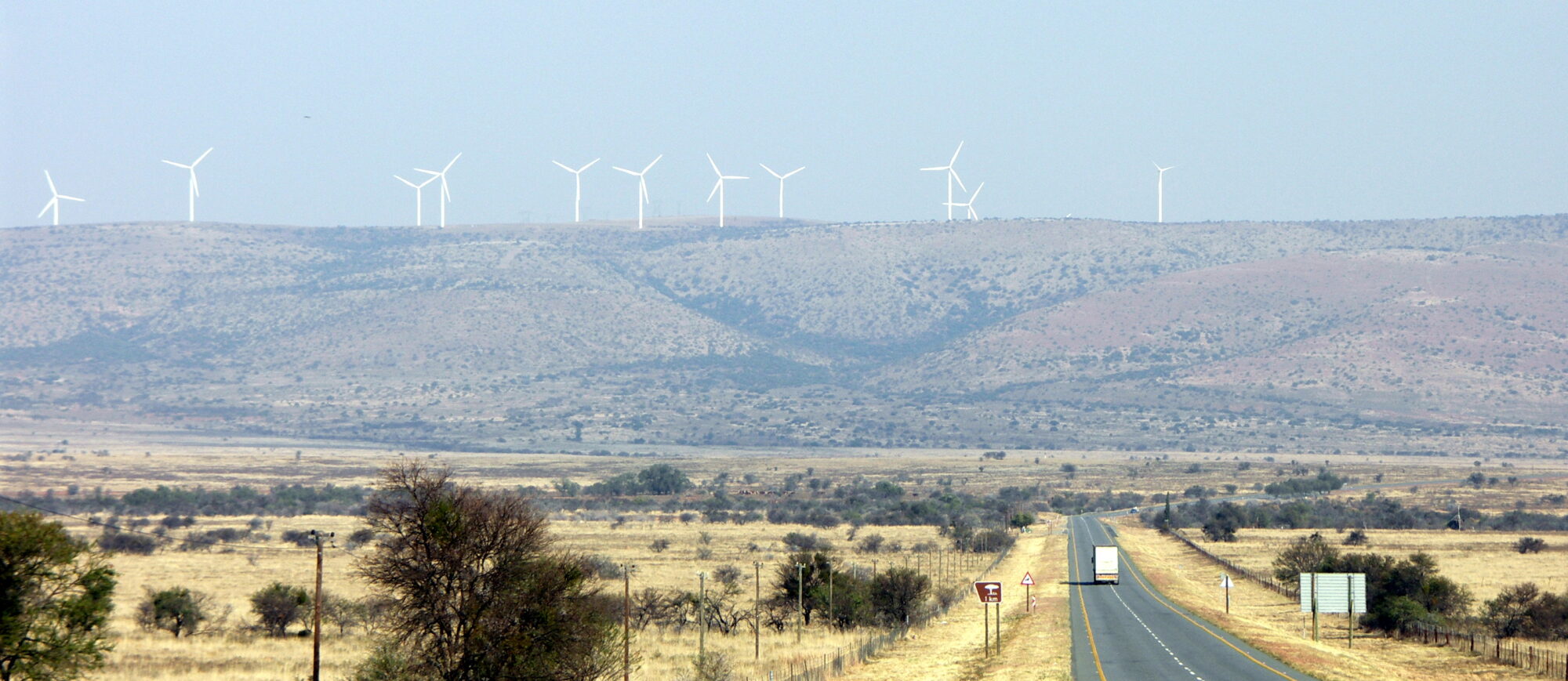
South African mining companies are accelerating investment in renewable energy to diversify their power supply, cut costs and meet decarbonisation targets, according to a Reuters report published on 26 August 2026, marking a shift after decades of reliance on state utility Eskom’s coal-dominated grid.
Company Commitments
Sibanye-Stillwater has contracted 835 megawatts of renewable capacity, of which 164 megawatts is already operational, with about 64% of the group’s South African energy demand expected to come from renewables by the end of 2028, the report said. Anglo American’s venture with EDF Power Solutions, Envusa Energy, currently generates 520 megawatts from wind and solar, representing around 30% of Anglo’s mine energy consumption, with an ambition to reach 3,000 megawatts by 2030. Coal producer Exxaro is also expanding its renewable subsidiary Cennergi, which operates 297 megawatts with a near-term pipeline of 593 megawatts.
Eskom’s Evolving Role
Eskom chief executive Dan Marokane has said the utility will outline its approach in September to the decommissioning of coal-fired power stations beyond 2030, though mining executives cautioned that Eskom-supplied baseload power is likely to remain part of the energy mix for years to come even as renewable use grows. The shift follows years of intermittent power cuts, known locally as load-shedding, that forced many mines to curtail production or run costly diesel generators during periods of grid stress.
Why It Matters
Mining is one of the most energy-intensive sectors in South Africa’s economy, and its shift toward self-generated renewable power reflects both frustration with years of grid instability and a commercial calculation that clean power can now be cheaper and more reliable than utility supply. The trend also has implications for Eskom’s long-term revenue base as its largest industrial customers increasingly generate their own electricity, potentially leaving the utility with a smaller pool of high-paying customers to help fund its ageing coal fleet and mounting debt.



Leave a Reply