

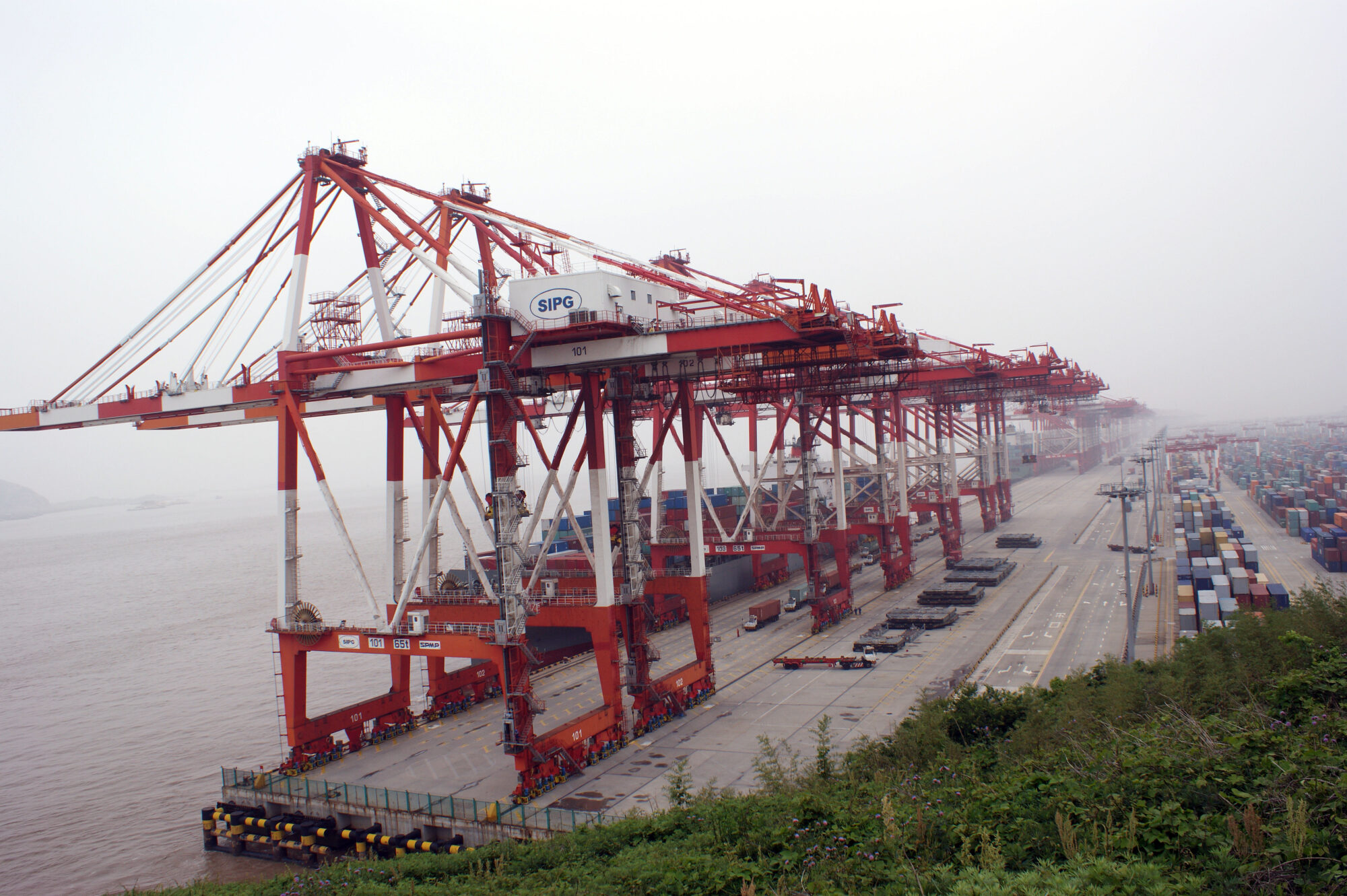
China’s exports rose 25% year on year to $401.44 billion in August 2026, customs data released on 8 September showed, quickening from a 23.9% increase in July and matching the forecast of analysts polled by Reuters. The country’s trade surplus widened to $119.09 billion, up from $101.01 billion a year earlier.
High-Tech Goods Lead the Surge
High-tech products accounted for more than half of the export growth, with overseas sales of integrated circuits jumping nearly 130% and overall high-tech exports rising almost 57%, according to the customs data, as global demand for AI-related hardware continued to build. Vehicle shipments, by contrast, grew more slowly than in previous months, a divergence customs officials attributed to softer demand in some of China’s traditional automotive export markets.
Uneven Growth by Destination
Exports to the United States surged 34.4% year on year, while shipments to the European Union rose just 6.6%, the slowest pace in ten months. Exports to ASEAN countries climbed 30.2%, and shipments to South Korea and Taiwan each rose more than 40%, underscoring how demand from within Asia’s own technology supply chains is driving much of the recent export strength. The uneven pattern suggests Chinese exporters are finding readier markets for AI-related hardware within Asia’s own manufacturing ecosystem than in Europe, where demand growth has been comparatively muted.
Why It Matters
The scale of China’s export growth, concentrated so heavily in semiconductors and related high-tech goods, illustrates how deeply the global AI infrastructure build-out is reshaping trade flows even amid ongoing trade tensions between major economies. A widening surplus also keeps pressure on trading partners already scrutinising China’s export practices, while the slower growth in shipments to the EU points to a more cautious European market than those in Asia and North America, a divergence that could shape future trade negotiations between Beijing and Brussels.



Leave a Reply