

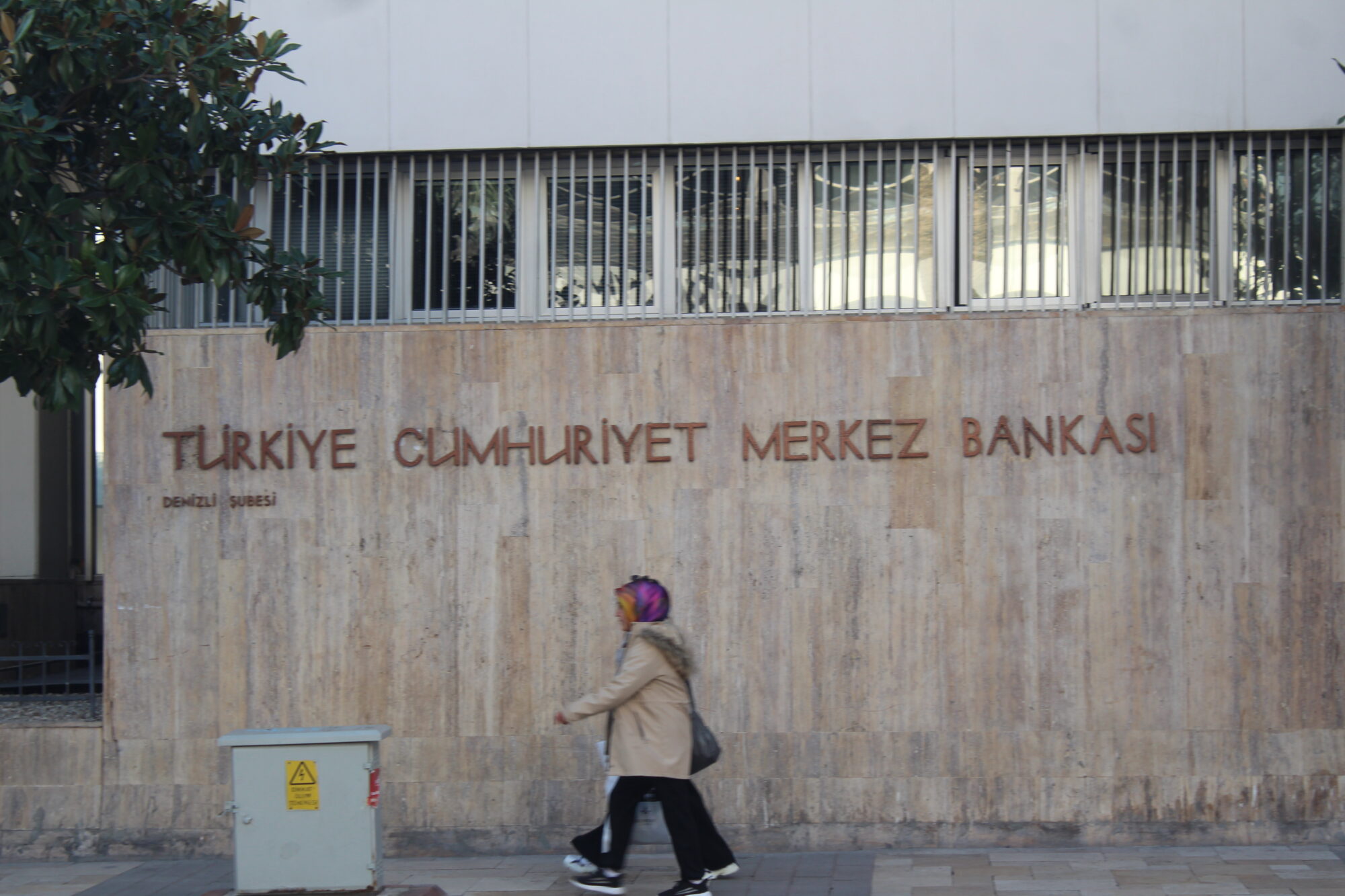
The Central Bank of the Republic of Turkey held its benchmark one-week repo rate at 37% at its meeting of 10 September 2026, marking the fifth consecutive decision to keep the rate unchanged since the bank paused its cutting cycle in March. The hold was in line with market expectations.
Inflation Easing but Risks Remain
The bank said recent data and leading indicators suggested the underlying trend of inflation was decelerating, with annual inflation easing to 31.5% in August from 31.75% in July. At the same time, officials pointed to surging energy prices, driven by renewed escalation in the Iran-US conflict, as a factor intensifying inflationary risks and complicating the case for resuming rate cuts. The bank’s communique struck a notably more cautious tone than in previous months, according to analysts, reflecting the added uncertainty from the region.
A Long Tightening Cycle Winding Down Slowly
Turkey’s central bank had delivered 900 basis points of cuts since June 2025 before pausing, bringing the policy rate down from far higher levels reached during the country’s earlier battle with runaway inflation. The extended hold since March reflects policymakers’ caution about declaring victory over inflation prematurely while energy costs remain volatile. Analysts have increasingly pointed to October as a possible window for the bank to resume cuts, provided energy prices stabilise and the disinflation trend seen in August continues.
Why It Matters
Turkey’s interest rate path is central to the credibility of its broader disinflation programme, and a fifth consecutive hold signals the central bank is prioritising caution over the temptation to resume rapid cuts. For households and businesses still contending with an inflation rate above 30%, the pace at which rates eventually come down will shape borrowing costs and the lira’s stability for months to come, with foreign investors watching closely for any sign of a premature return to looser policy.



Leave a Reply