

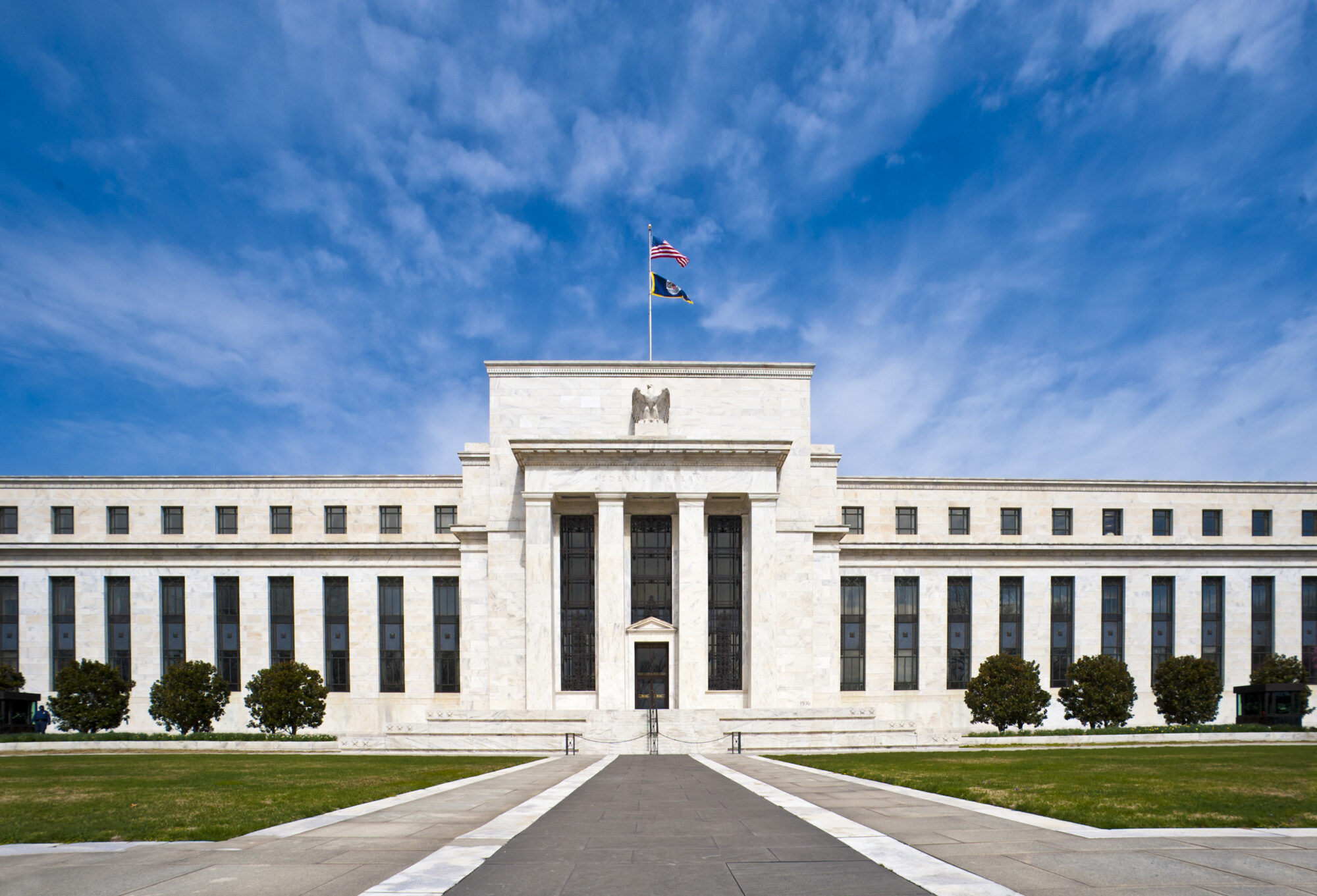
The Federal Reserve raised its benchmark interest rate by 25 basis points to a target range of 3.75% to 4% on 16 September 2026, according to the Federal Open Market Committee’s post-meeting statement, marking the central bank’s first rate increase since 2023. The committee voted unanimously in favour of the move, with the change taking effect on 17 September.
Inflation Cited as the Driver
“Inflation remains elevated,” the FOMC said in its statement, pointing to core Personal Consumption Expenditures inflation that had run above 3% throughout 2026. The decision followed a July meeting at which three committee members had already favoured a hike, according to the Fed’s own record of that meeting. That growing minority view within the committee appears to have shifted to a consensus by the September meeting as inflation data continued to run hotter than officials had anticipated earlier in the year.
More Increases Possible
Updated economic projections released alongside the decision showed a strong majority of Fed officials expect at least one further rate increase before the end of 2026, with 16 of the 18 participants pencilling in another hike in their individual forecasts. The unanimous vote, following visible disagreement at the July meeting, suggests the committee has coalesced around the view that inflation risks now outweigh concerns about slowing growth.
Why It Matters
A return to rate increases after a period of cuts marks a significant shift in the Fed’s policy stance and signals that officials see inflation as more persistent than previously judged. Higher borrowing costs ripple through mortgage rates, corporate financing and government debt servicing costs, making this decision one of the most consequential monetary policy moves of the year for households and businesses across the United States and, given the dollar’s global role, well beyond it, with emerging-market borrowers in dollar-denominated debt likely to feel the effects most acutely.



Leave a Reply