

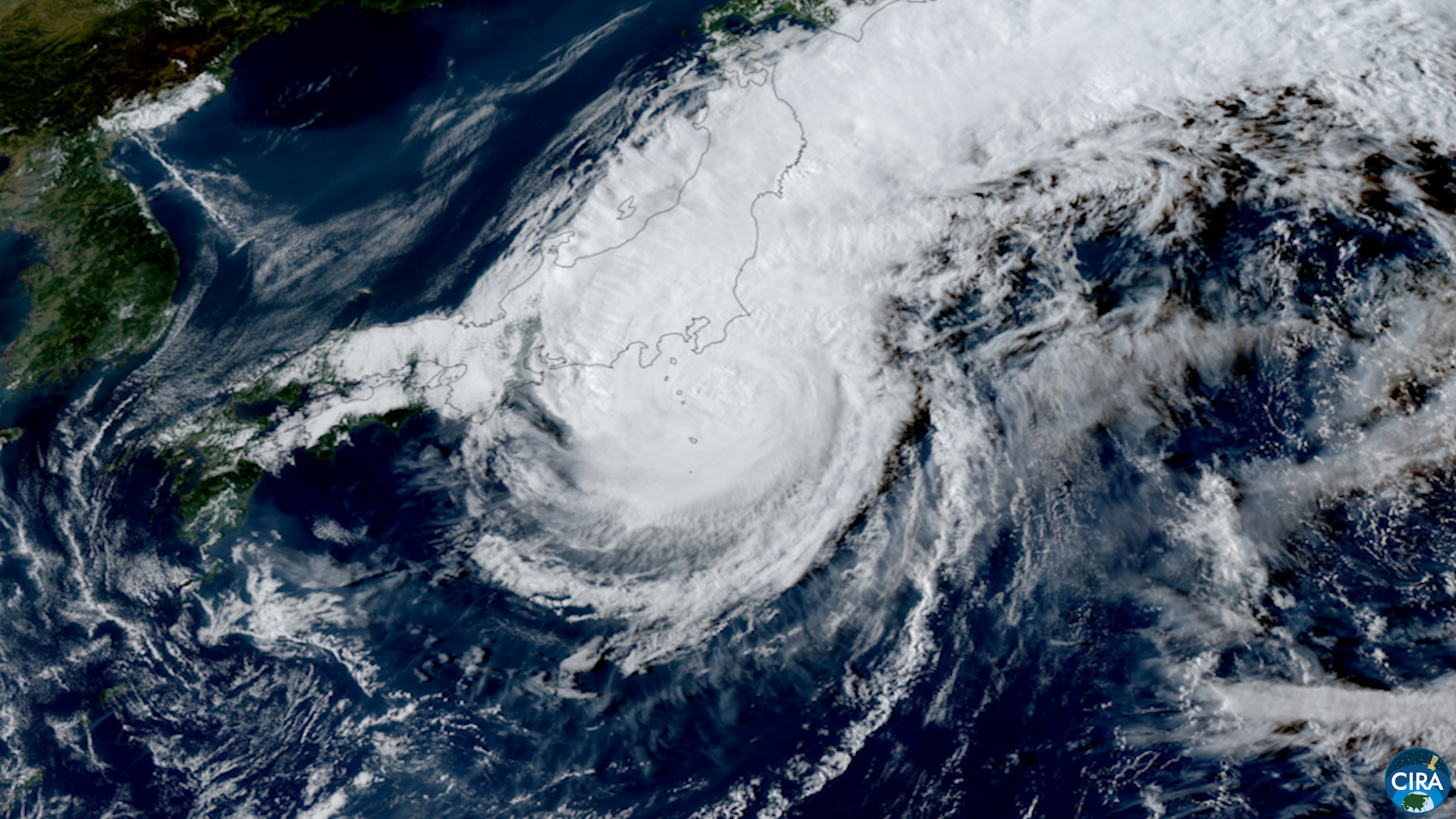
Typhoon Dujuan brought torrential rain to eastern Japan on 21 and 22 September 2026 before transitioning into an extratropical cyclone, triggering flooding and landslides that Japan’s Fire and Disaster Management Agency said killed at least 12 people, with three others reported missing as of 24 September. The heaviest casualties were reported in Chiba prefecture, where seven deaths occurred, followed by four in Kanagawa prefecture and one in Miyazaki prefecture. Rescue crews worked through the following days to reach residents cut off by flooded roads and to search for the three people still unaccounted for.
A Rainfall Record Nearly 35 Years in the Making
At Oshima in Tokyo’s Izu Islands, the Japan Meteorological Agency recorded 832 millimetres of rain over 48 hours, the highest total since local records began in December 1991, surpassing a previous record of 824 millimetres set in October 2013. The intense, sustained rainfall overwhelmed drainage and river systems across the storm’s path.
Widespread Damage in Chiba and Kanagawa
The flooding caused multiple embankment breaches, including along the North Inbanuma and Nagato River systems, while at least six slope failures were reported in Yokohama, damaging roads and residential buildings. Chiba prefecture warned that saturated ground left behind by the storm could trigger further landslides even from comparatively light rainfall in the days that followed, and authorities urged residents near hillsides and riverbanks to remain alert well after the storm itself had passed.
Why It Matters
Typhoon Dujuan’s rainfall record underscores how individual storms can now exceed benchmarks that had stood for decades, a pattern meteorologists increasingly link to warmer air holding more moisture. For densely populated prefectures like Chiba and Kanagawa, the storm is a reminder that ageing flood infrastructure and hillside development remain vulnerable to the kind of concentrated, record-breaking rainfall that is becoming more frequent across Japan’s typhoon season.



Leave a Reply