

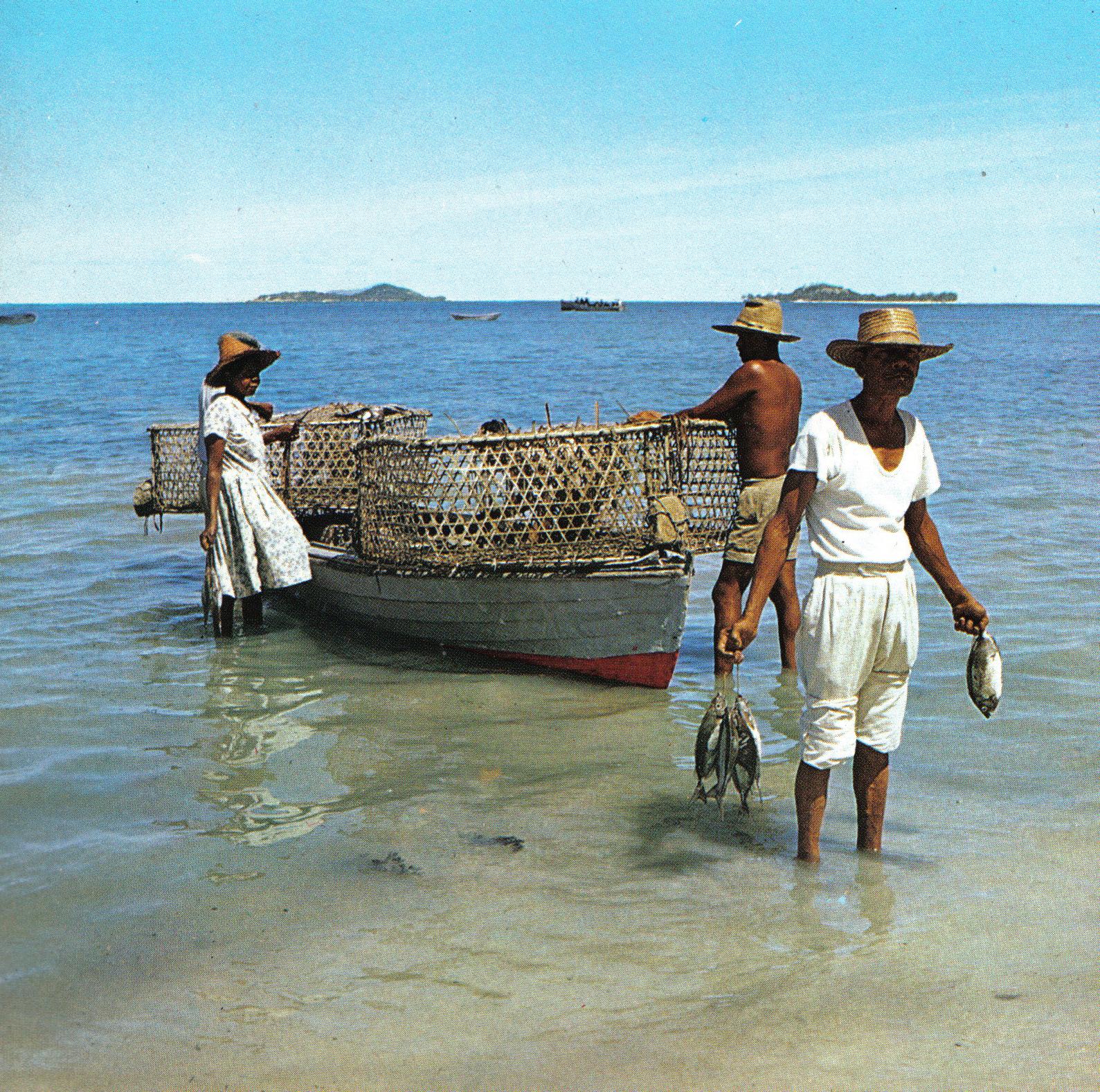
The Government of Seychelles and the United Nations Development Programme officially launched the project “Enabling the Transition to a Blue and Green Economy in the Seychelles” during an inception workshop held on 21 August 2026. Valued at US$10.48 million and funded by the Global Environment Facility, it is described by UNDP as the largest GEF project ever signed by Seychelles.
What the project covers
The initiative is intended to support Seychelles’ transition toward a nature-positive model of development, one that links the management of ocean and land resources to economic activity such as fisheries, tourism and agriculture. As a small island nation whose economy and food security depend heavily on healthy marine and coastal ecosystems, Seychelles has positioned the blue and green economy approach as central to its long-term development planning.
Seychelles’ wider environmental record
Seychelles has been an early adopter of blue economy financing tools, including a sovereign blue bond and debt-for-nature arrangements that fund marine protection, and has often been cited by other small island states as an example of how to structure such deals. The new GEF-backed project builds on that track record, bringing additional international financing to bear on integrating environmental safeguards into everyday economic activity rather than treating conservation and development as separate goals.
Why It Matters
For a small island state, the ocean is not a peripheral resource but the foundation of food, jobs and tourism revenue. A project of this scale, backed by the country’s largest-ever GEF grant, signals an attempt to make that dependence sustainable rather than extractive, at a time when rising sea temperatures and biodiversity loss are placing growing pressure on island economies across the Indian Ocean. The inception workshop marks the formal start of implementation, with the project expected to run over several years as government agencies, local communities and international technical partners work through its fisheries, tourism and land-management components in turn.



Leave a Reply