

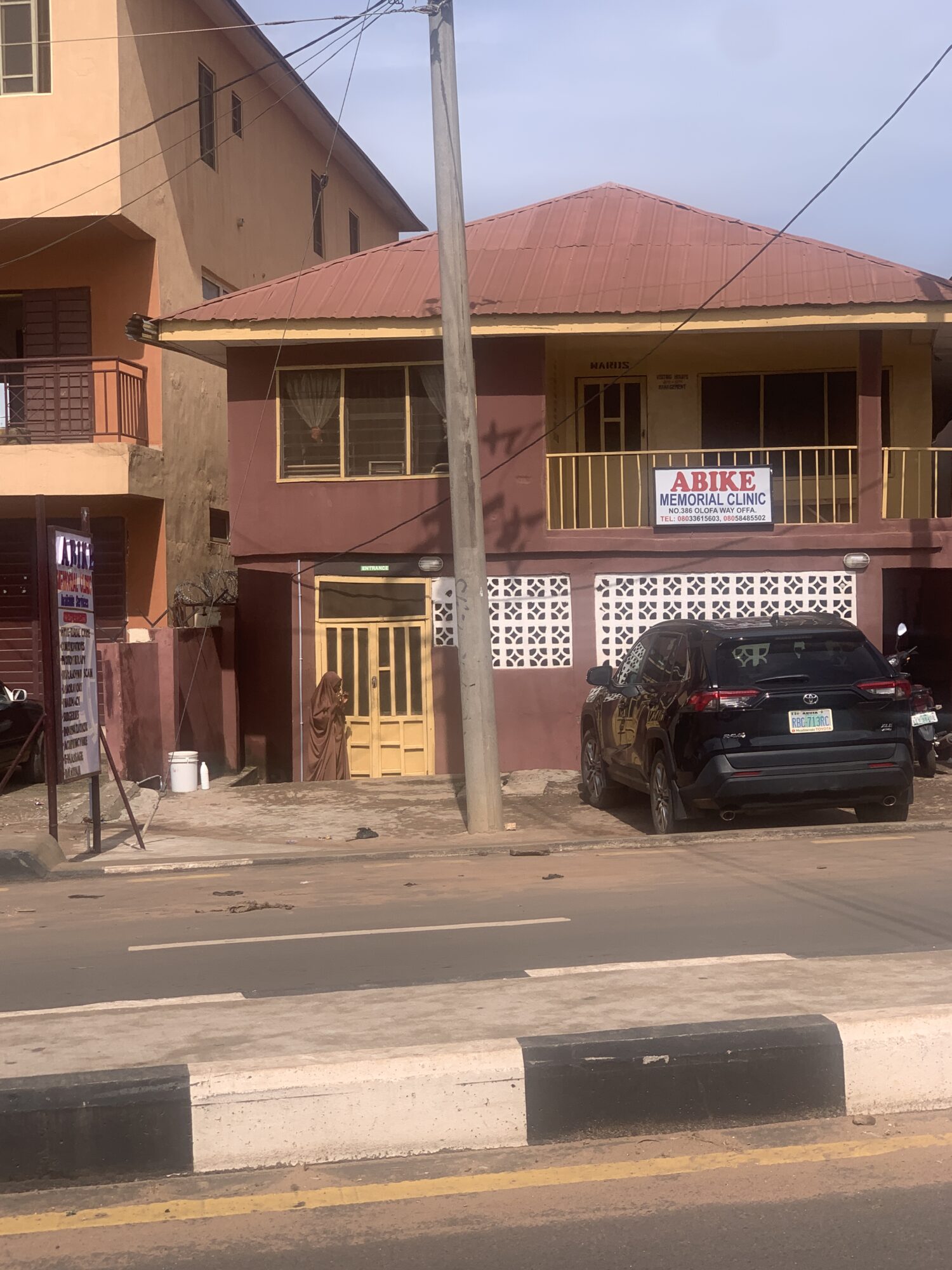
The Imota Local Council Development Area (LCDA) in Lagos State inaugurated a 40-bed primary health centre in the Oke Lisa community on 4 August 2026, with support from the Office of the Senior Special Assistant to the President on Sustainable Development Goals (OSSAP-SDGs). The facility is designed to operate around the clock, with separate male and female wards, a paediatric ward, a laboratory and a labour theatre.
“This is not just a building, it is a commitment to ensuring our people have access to quality and affordable healthcare services,” said Benson Ayodele, Chairman of Imota LCDA, at the inauguration.
Services on offer
According to organisers, the centre will provide maternal and child healthcare, routine immunisation, family planning and health education, alongside free medical outreaches for the surrounding community. Dr Akinwunmi Mustapha, Permanent Secretary of the Lagos State Primary Health Care Board, also spoke at the event. Residents will be able to enrol in the ILERA EKO health insurance scheme, Lagos State’s subsidised health cover programme, directly at the centre.
Part of a wider push on access
The Oke Lisa facility adds to a series of primary health centre openings and upgrades across Lagos State in 2026, as local government areas work with state and federal agencies to expand round-the-clock care outside the city’s larger hospitals. Primary health centres are typically the first point of contact for routine and emergency care in Nigerian communities, making their capacity and staffing central to how quickly residents can be treated.
Why It Matters
Access to nearby, functioning primary healthcare remains uneven across Nigeria, particularly for maternal and child health services where delays can be life-threatening. A fully equipped, 24-hour facility with a labour theatre and laboratory gives a growing suburban community a level of care it previously had to travel further to reach, and links to a subsidised insurance scheme mean that care, rather than only proximity, becomes more affordable for lower-income households.



Leave a Reply