

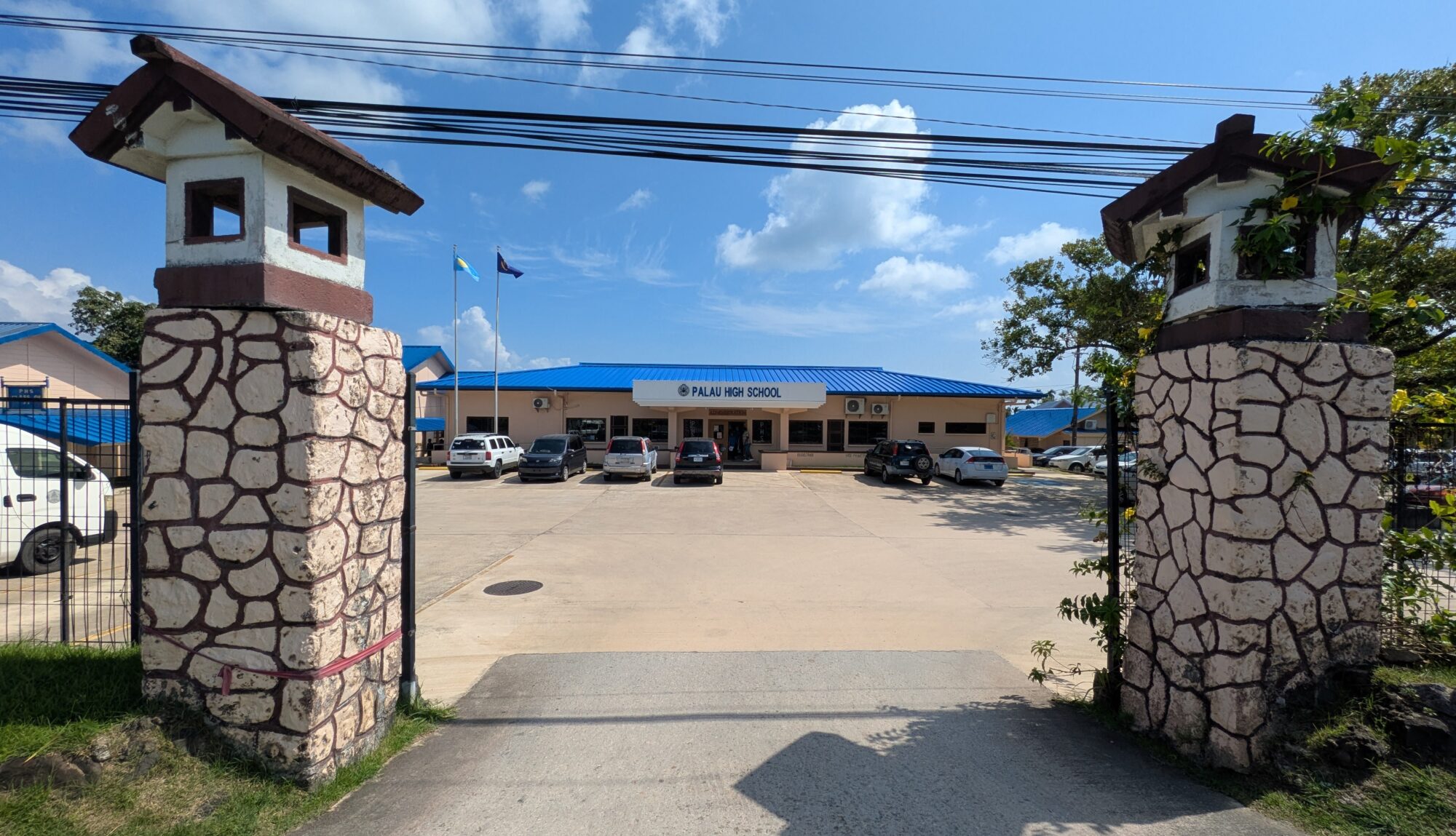
The European Union and UNICEF signed and launched a EUR17 million Pacific Climate Resilient Education Systems (Pacific CRES) programme on 2 September 2026 in Koror, Palau, at a side event of the 55th Pacific Islands Forum Leaders Meeting. The programme is intended to help Pacific governments build schools that remain safer and more operational before, during and after climate-related disasters.
The agreement was signed by Marjeta Jager, Deputy Director-General for the EU’s Directorate-General for International Partnerships, and Roshni Basu, UNICEF Pacific’s Deputy Representative.
What the programme covers
According to UNICEF, the programme will upgrade existing school infrastructure and strengthen maintenance systems, while introducing practical measures to help schools keep functioning during and after disasters. Planned improvements include climate-resilient water and sanitation facilities, renewable energy systems, and better connectivity, aimed at creating safer, more reliable learning environments for children across the region.
A regional vulnerability
Pacific island nations are regularly exposed to cyclones, flooding and other climate-related hazards that can damage or destroy school buildings, interrupting children’s education for weeks or months at a time. Building resilience into schools directly, rather than repairing damage after each disaster, is intended to reduce those disruptions over the long term and cut the recurring cost of emergency rebuilding that many Pacific governments face after each major storm season.
Why It Matters
For small Pacific nations with limited budgets, every school that has to be rebuilt after a storm is also a setback for children’s learning. A programme that funds resilient infrastructure from the outset, rather than repeated post-disaster reconstruction, could protect both the physical schools and the continuity of education that Pacific children depend on. Timing the signing to coincide with the Pacific Islands Forum Leaders Meeting also gave the programme visibility among the region’s own heads of government, who are expected to be central to deciding how the funding is prioritised across their respective school systems.



Leave a Reply