

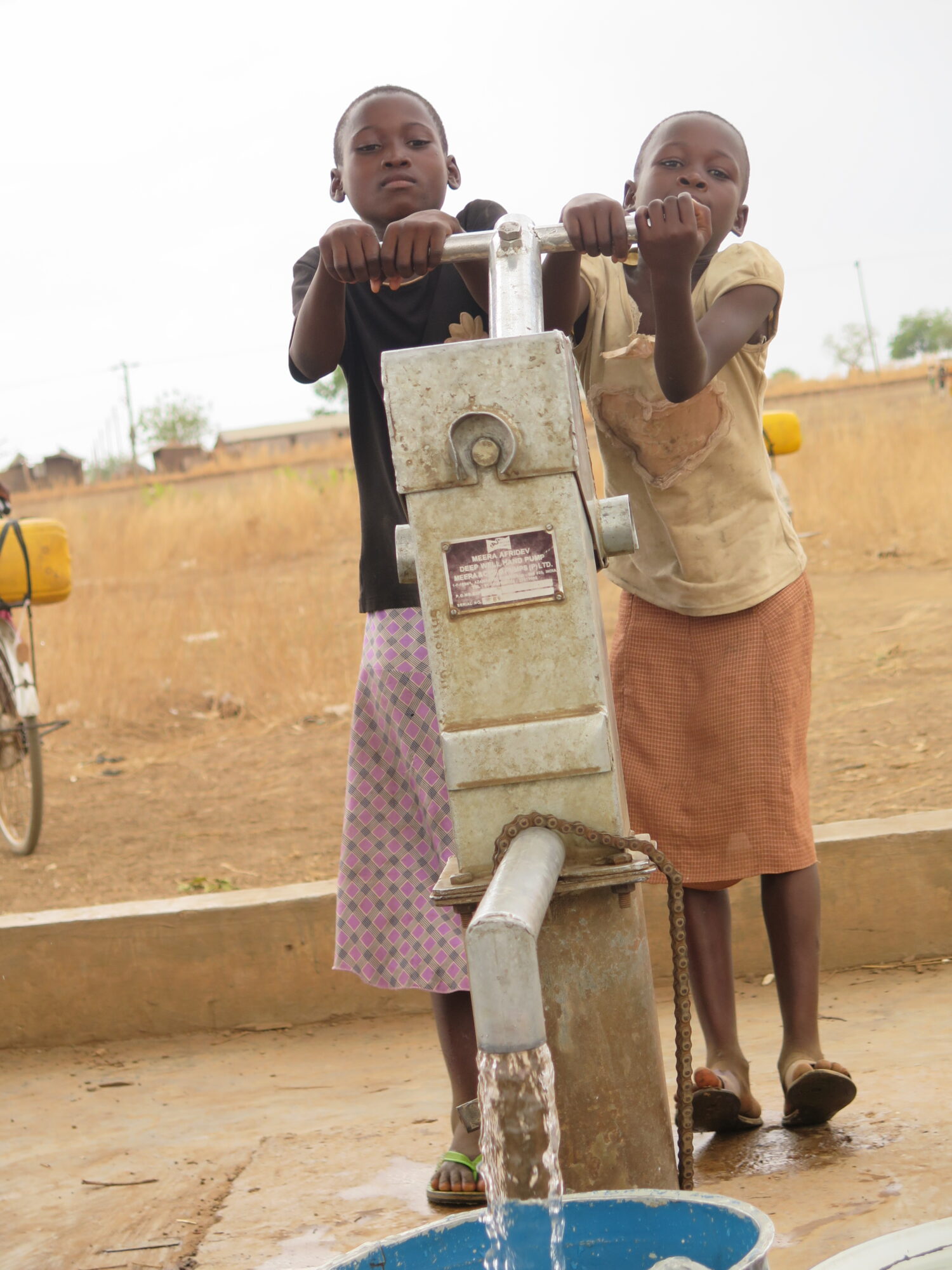
A joint WHO and UNICEF report published on 22 September 2026 found that while access to water, sanitation and hygiene (WASH) services in schools has improved substantially over the past decade, hundreds of millions of school-age children still attend schools without these basic services. The report, covering progress from 2015 to 2025, found that 429 million school-age children lack basic drinking water services at school, 460 million lack basic sanitation, and 545 million lack basic hygiene services with water and soap available.
A decade of gains, and a widening gap
Global coverage of basic drinking water in schools rose from 67 percent in 2015 to 78 percent in 2025, according to the report, while basic sanitation coverage rose from 67 percent to 77 percent and basic hygiene facilities from 59 percent to 72 percent. The gains were uneven: schools in low-income countries reached only 54 percent basic drinking water coverage, 50 percent basic sanitation and 35 percent basic hygiene, compared with more than 99 percent coverage of all three in high-income countries. In Sub-Saharan Africa, the report found 46 percent basic drinking water coverage, 43 percent basic sanitation and 39 percent basic hygiene.
Off track for 2030
UNICEF said that “without faster action, hundreds of millions of children will still lack these essential services at school in 2030,” the deadline set under the Sustainable Development Goals for universal access. The agencies said WASH services affect not just health but learning and dignity at school, with girls disproportionately affected when schools lack private, functioning toilets, particularly during menstruation.
Why It Matters
A school without safe water or a working toilet is a barrier to attendance as much as a health risk, particularly for older girls who may stay home during menstruation rather than use inadequate facilities. The scale of the shortfall identified in this report, more than 400 million children on some measures, shows that basic infrastructure gaps, not only curriculum or teacher shortages, remain a fundamental obstacle to keeping children in school in the world’s poorest regions.



Leave a Reply