
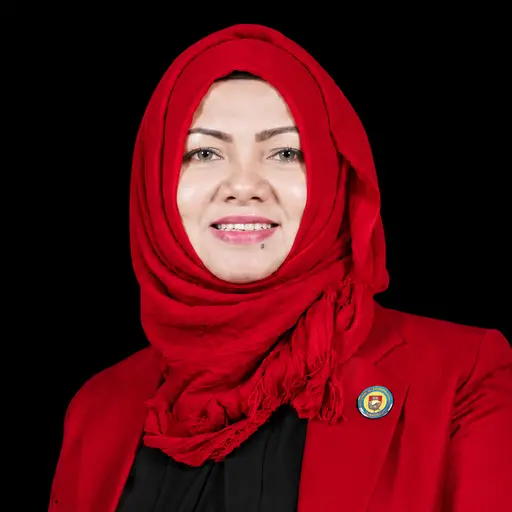
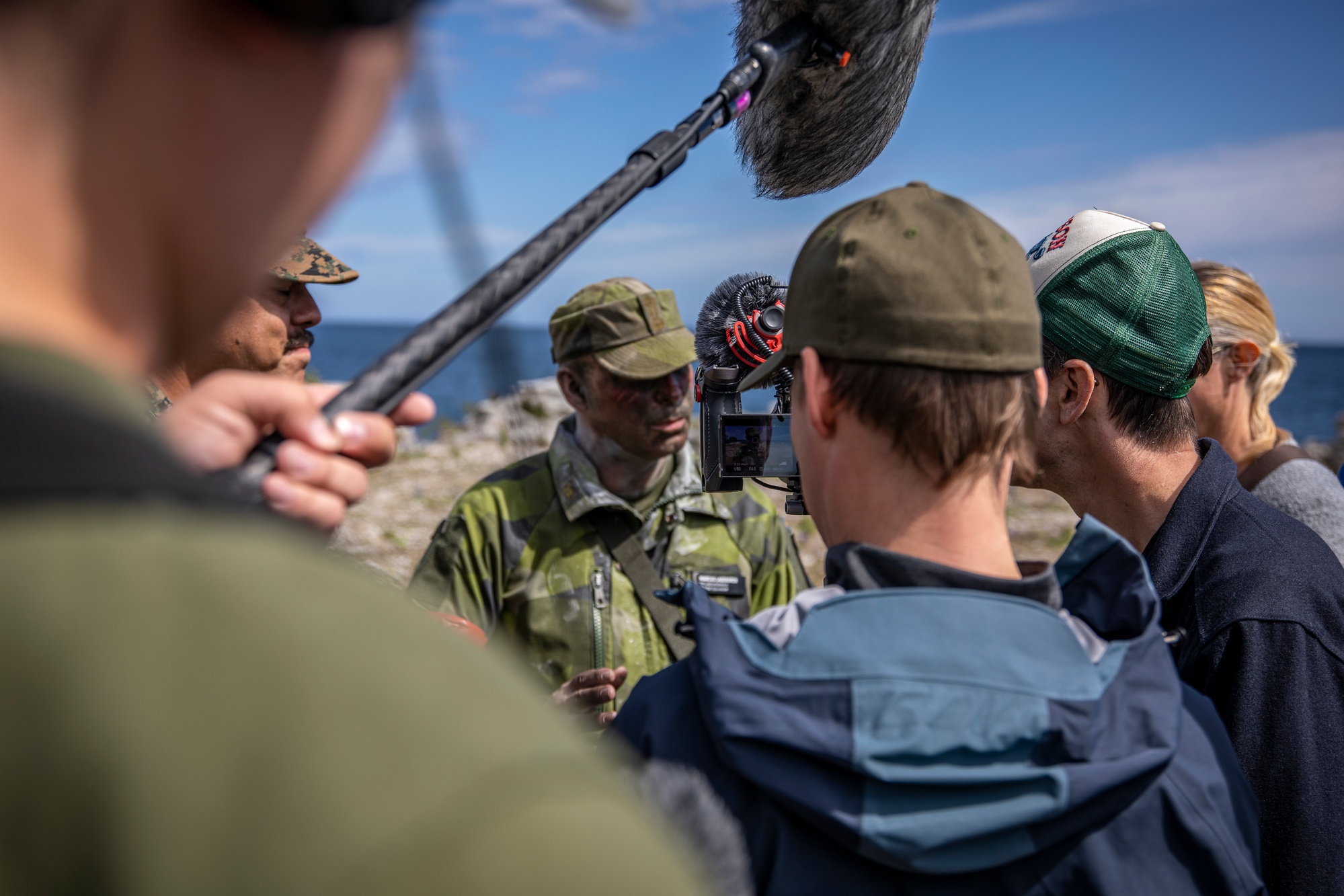
Major General Johan Pekkari became Chief of the Swedish Army on 28 August 2026, the Swedish Armed Forces announced, taking over one of the military’s most senior operational commands as the country continues to expand its defence posture following NATO membership. He succeeds Brigadier General Per Nilsson, who had served as acting chief since June.
Pekkari, born in 1971, began his military career in the artillery at the A9 regiment in Kristinehamn. Since the Swedish Defence Staff was reorganised in 2023, he had served as head of its strategy unit, meaning his new post marks a return to the army in a leading operational role rather than a staff position.
A command shaped by European security concerns
In comments reported by the Swedish Armed Forces and Nordic Defence Sector, Pekkari described the European security situation as serious and said the army needed to act with urgency in response to current challenges. Sweden has rapidly expanded defence spending and troop numbers since joining NATO in 2024, and the army has taken on a larger role in territorial defence planning alongside allied forces in the Baltic region.
Continuity through personnel with staff experience
Pekkari’s move from a strategy-focused staff role to field command reflects a broader pattern in Swedish military appointments, where officers increasingly rotate between operational and policy positions as the armed forces scale up. His appointment was confirmed without the extended acting-chief period some other Swedish service branches have experienced during their own expansions.
Why It Matters
Sweden’s army has been recruiting and training at a faster pace than at any point since the Cold War, and its new chief inherits responsibility for absorbing that growth without compromising standards. Command of the army is one of the most consequential appointments in a country reshaping its military after decades of non-alignment. Who leads that expansion, and how quickly new capabilities and troops are integrated, has direct consequences for NATO’s northern flank at a time when the alliance is prioritising Baltic Sea security.



Leave a Reply