
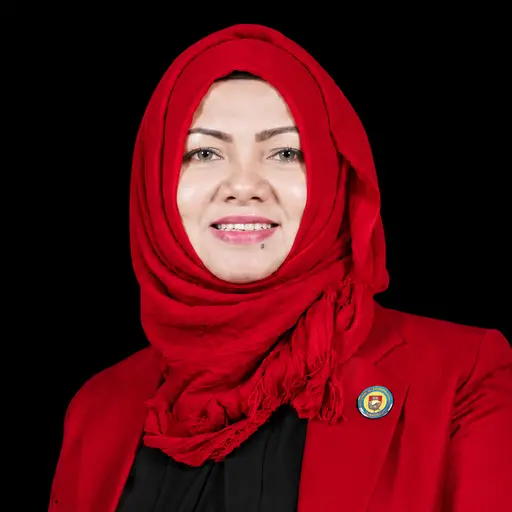
Ecopetrol’s board of directors unanimously appointed Joaquín Gutiérrez Caballero as chief executive and principal legal representative of Colombia’s state-controlled oil company on 24 September 2026, with his term beginning on a permanent basis on 28 September. He holds a degree in business administration with postgraduate specialisations in telecommunications and healthcare services management, and has more than 30 years of professional experience.
Gutiérrez Caballero succeeds Alfonso Camilo Barco Muñoz, who had served as acting CEO since 15 September after previously working as the company’s corporate vice president of finance and sustainable value. Barco’s brief interim tenure followed a period of deeper leadership turmoil at the company.
A leadership gap rooted in an influence-peddling case
Ecopetrol’s board removed former CEO Ricardo Roa in July 2026 after Colombian prosecutors charged him with influence peddling in March, allegations connected to campaign finance limits tied to President Gustavo Petro’s 2022 election campaign, according to Bloomberg. Roa had been on leave since late May while under investigation by the Attorney General’s Office; he has not been convicted, and the case remains before Colombian courts. First alternate Juan Carlos Hurtado served as acting president immediately after Roa’s departure, before Barco took over in September.
A mandate to revive exploration
According to Bloomberg’s reporting on the appointment, Colombia’s government is looking to the new CEO to help revive oil and gas exploration and restore fracking ambitions that have stalled under President Petro’s broader push to reduce the country’s reliance on fossil fuel extraction. The board’s selection committee said it prioritised a leader with strong stakeholder engagement skills, given the need to coordinate with the Colombian state, investors, employees and local communities.
Why It Matters
Ecopetrol is Colombia’s largest company and a major source of state revenue, making its leadership a matter of national economic importance as much as corporate governance. A stable, permanent CEO after months of interim leadership gives the company a clearer hand to navigate the tension between the Petro government’s climate agenda and pressure to maintain oil and gas production and revenue.



Leave a Reply