

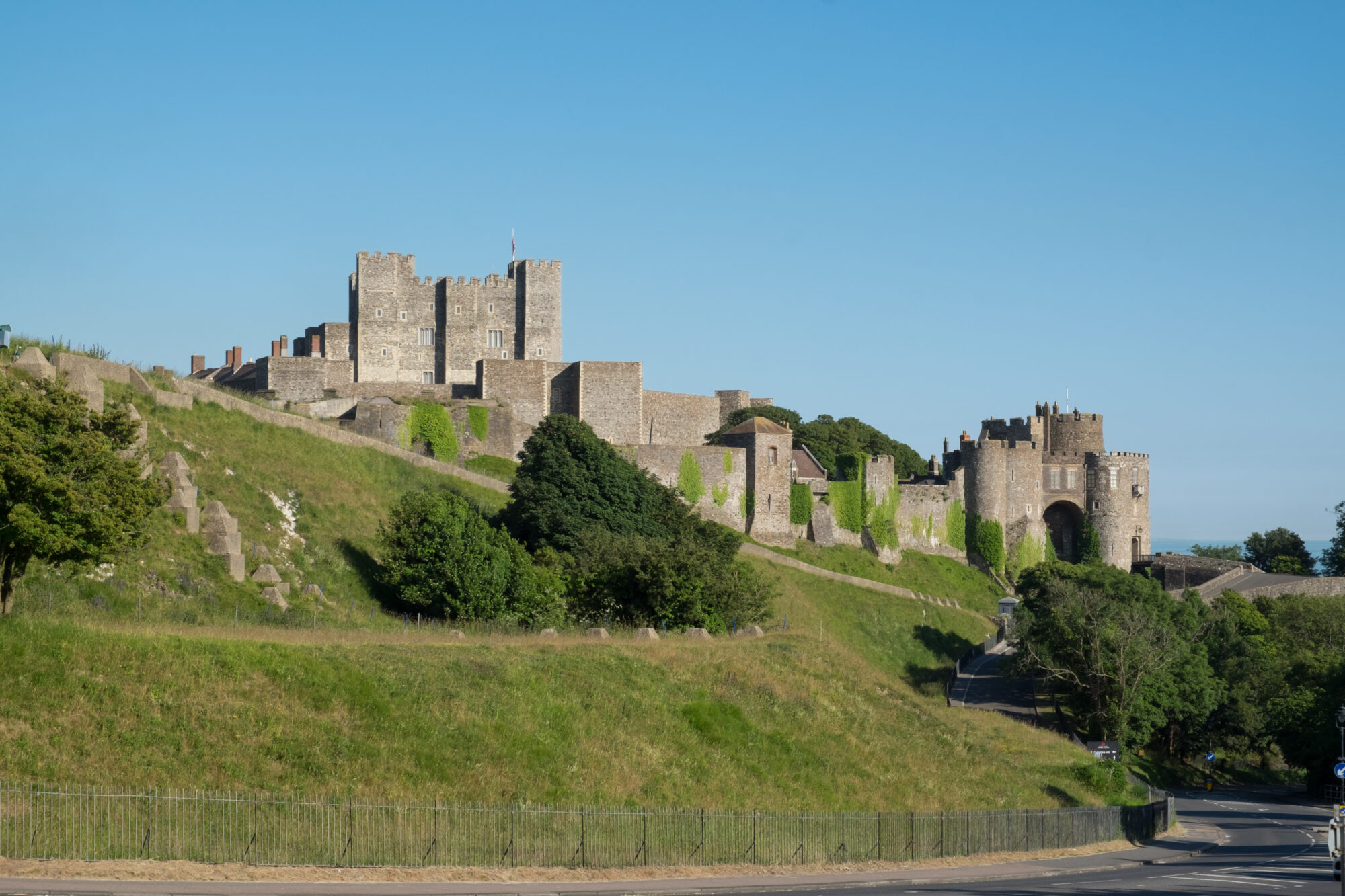
Heritage Open Days, England’s largest festival of history and culture, ran from 11 to 20 September 2026 under the theme “Everyday Histories”, giving the public free access to thousands of events and historic sites, many not normally open to visitors.
England’s contribution to a European tradition
The festival forms England’s national strand of European Heritage Days, a continent-wide initiative marked separately by dozens of countries each September, with 2026’s shared European theme, “Heritage at risk: revive, resist, reimagine”, focused on how communities are protecting and adapting heritage sites in the face of climate change, conflict and social change. Sites taking part in England range from historic houses and churches to industrial buildings, with English Heritage properties including Dover Castle among the organisations supporting the programme. This year’s English theme of everyday histories centred on the stories of working lives, from learning a trade to the routines and rituals that shaped ordinary households.
Organisers describe Heritage Open Days as relying almost entirely on local volunteers and site owners choosing to take part each year, rather than a centrally curated list, which allows the festival’s scale to vary from small village churches offering an afternoon tour to major national sites running full days of tours and demonstrations.
Why It Matters
Much of England’s historic built environment, from small parish buildings to working sites still in private or institutional hands, remains inaccessible to the public for most of the year. A coordinated national festival gives local heritage groups and larger organisations alike a shared date to open their doors, drawing visitors to buildings and stories that would otherwise remain known only to specialists or local residents, and reinforcing public support for their upkeep in the process. Running the festival alongside the wider European Heritage Days movement also ties England’s local history events into a continent-wide conversation about how heritage is preserved under pressures that rarely stop at national borders.



Leave a Reply