

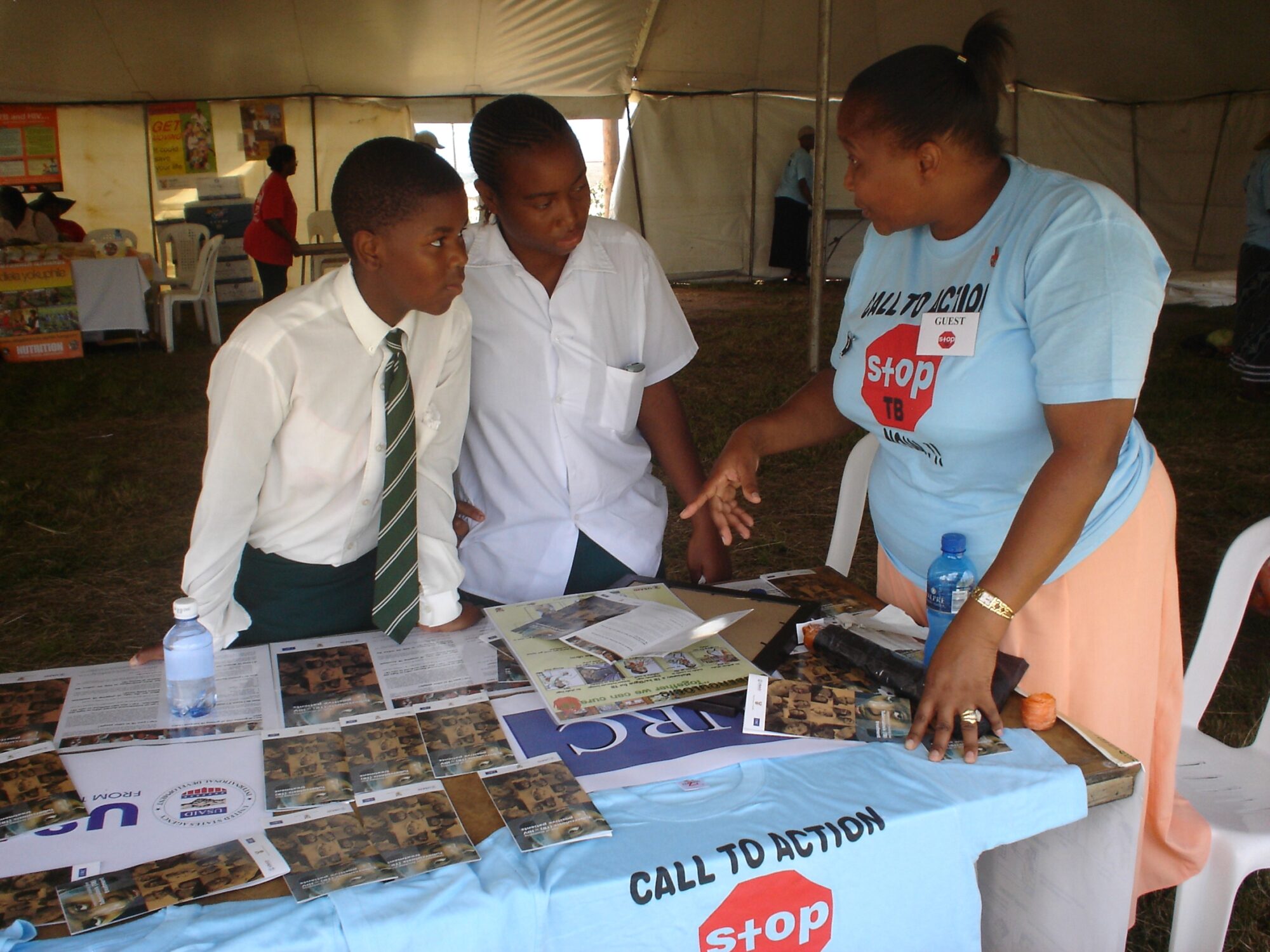
More than 1,700 HIV treatment sites have closed and over 16,000 healthcare workers have lost their jobs since the United States began cutting funding for global HIV programmes, according to a report from the HIV research foundation amfAR published on 21 July, based on a survey of 166 organisations across 46 countries. The report found 77,000 fewer children received PEPFAR-supported treatment in 2025, a 14% decline, and that roughly three-quarters of surveyed organisations had stopped serving high-risk populations altogether.
A gap that funding pledges have not closed
UNAIDS has separately reported that donor government funding for HIV fell by $2.1 billion, or 25%, in 2025 compared with the previous year, pushing donor funding below pre-2008 levels even as Congress continued to appropriate roughly $4.8 billion for PEPFAR in the 2026 fiscal year, funding that has not been enough to reverse the disruption already caused by earlier cuts and programme cancellations. amfAR policy associate Elise Lankiewicz described the impact as “incredibly widespread,” saying “no part of the programme escaped unscathed.”
Disruption versus adaptation
UNAIDS Executive Director Winnie Byanyima framed the moment as forcing African health systems to “quickly adapt,” language that acknowledges disruption while pointing toward eventual self-reliance. The US State Department has offered a more positive account, saying PEPFAR has grown “stronger” under a new strategic direction, though independent researchers have questioned that characterisation, arguing it relies on incomplete data that does not capture the scale of clinic closures documented by amfAR. UNAIDS has projected that, if the funding cuts become permanent, the world could see 6.6 million additional HIV infections and 4.2 million more AIDS deaths by 2029.
Why It Matters
PEPFAR is widely credited with saving millions of lives since its launch in 2003, and the scale of disruption documented this year tests whether other donors and national governments can fill a gap left by reduced US funding before the projected rise in infections and deaths materialises. The dispute over whether the programme is adapting or unravelling is, in practical terms, a dispute over how much time remains to act.



Leave a Reply