

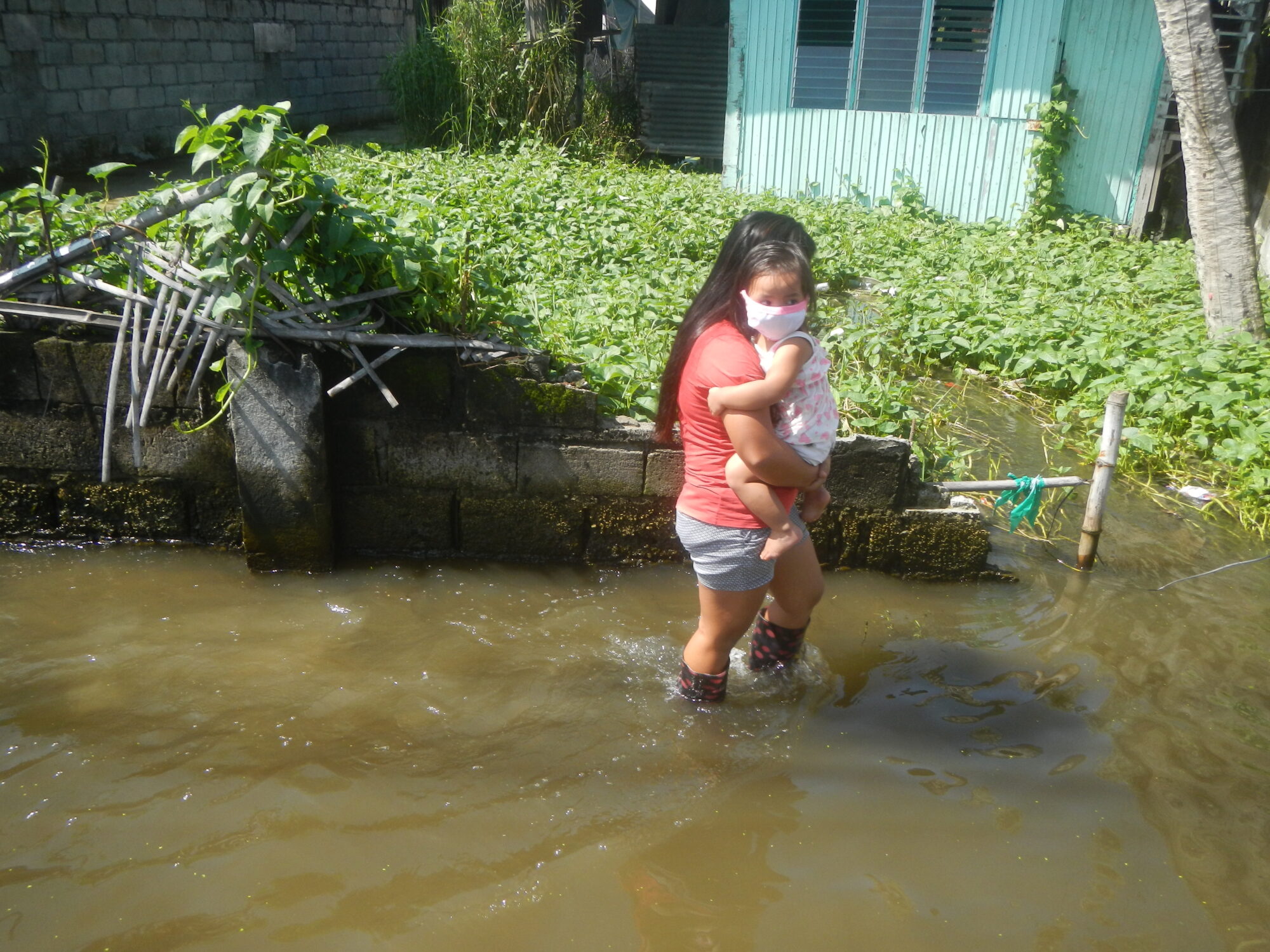
The board of the Fund for Responding to Loss and Damage postponed its first package of project approvals to December, following a meeting in Manila that concluded on 10 July, after receiving roughly 180 project proposals seeking a combined $2.8 billion against just $250 million currently available. The board agreed to release an additional $100 million in response to the scale of demand, but organisers expect only 15 to 20 projects, capped at $20 million each, to be approved when the board reconvenes.
A fund created for exactly this moment, still finding its footing
The loss and damage fund was established following years of advocacy from developing and small island states seeking compensation for climate impacts they did little to cause, and its board had originally been expected to approve an initial set of four proposals at the Manila meeting. Instead, organisers said more preparation time was needed to handle the volume and complexity of applications, a decision that delayed disbursement even as the countries applying face ongoing climate-linked disasters. Milagro Matus, a board member from Belize, said “every proposal represents real people,” adding that communities had been told in good faith to expect resources.
Frustration without an easy fix
A civil society observer at the meeting put the gap starkly, noting the fund had not yet “been able to provide a single penny to people who are suffering right now.” The delay is not simply bureaucratic reluctance: with demand more than ten times available resources, the board faces a genuine allocation problem, deciding which of 180 competing claims to fund first, that rushing through initial approvals risked getting wrong. At the same time, wealthy nations have been slow to convert pledges into transferred funds, compounding the resource shortfall the board is trying to manage.
Why It Matters
The loss and damage fund was meant to demonstrate that the international community could move beyond pledges to actual payouts for climate-vulnerable countries. A first year spent expanding the applicant pool faster than the available funding, followed by a further delay to the first approvals, tests the credibility of that promise at a moment when the countries applying are already living with the disasters the fund exists to address.



Leave a Reply