

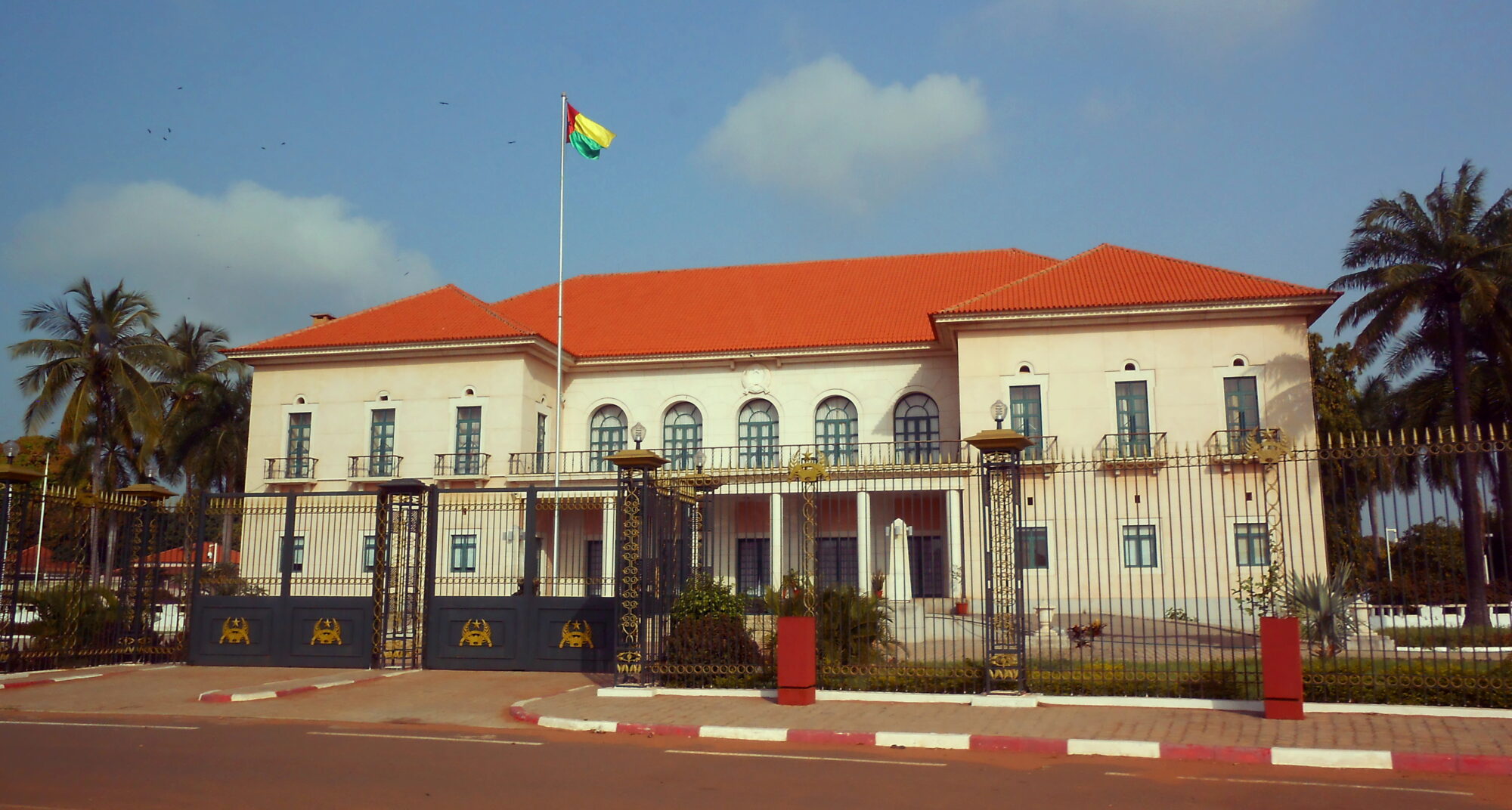
Guinea-Bissau’s National Electoral Commission says voters approved a new constitution in a 30 August referendum, with about 70% of votes cast in favour on turnout of nearly 60%, according to Al Jazeera. The change would switch the West African country’s system of government from parliamentary to presidential, months ahead of elections planned for December that are meant to restore civilian rule.
What the new constitution changes
Under the approved text, the president gains the power to appoint and dismiss the prime minister and cabinet, create or abolish ministries, and dissolve parliament under certain conditions, Al Jazeera reported. The number of seats in the National People’s Assembly would be reduced from 102 to 65, with electoral constituencies cut from 29 to 12. The referendum was put to voters by the transitional government led by General Horta Inta-A Na Man, who took power after a coup in November 2025, and was presented by the authorities as a step toward stabilising state institutions before the return to elected government.
A disputed turnout
The main opposition PAIGC party and civil society groups called for a boycott and denounced the referendum, saying it would let the military-led authorities concentrate power ahead of the December vote, according to Al Jazeera. International observers and news agencies reported many polling stations were largely empty on the day, and opposition coalitions said actual participation was far lower than the commission’s figures. The electoral commission has not amended its official turnout figure in response to those claims.
Why It Matters
Guinea-Bissau has a long history of coups and short-lived governments, and how this transition unfolds will shape whether December’s elections are seen as credible at home and abroad. A disputed referendum on the eve of a return to civilian rule leaves unresolved questions about the balance of power the next elected government will inherit, and about how much trust voters place in the process meant to get them there.



Leave a Reply