

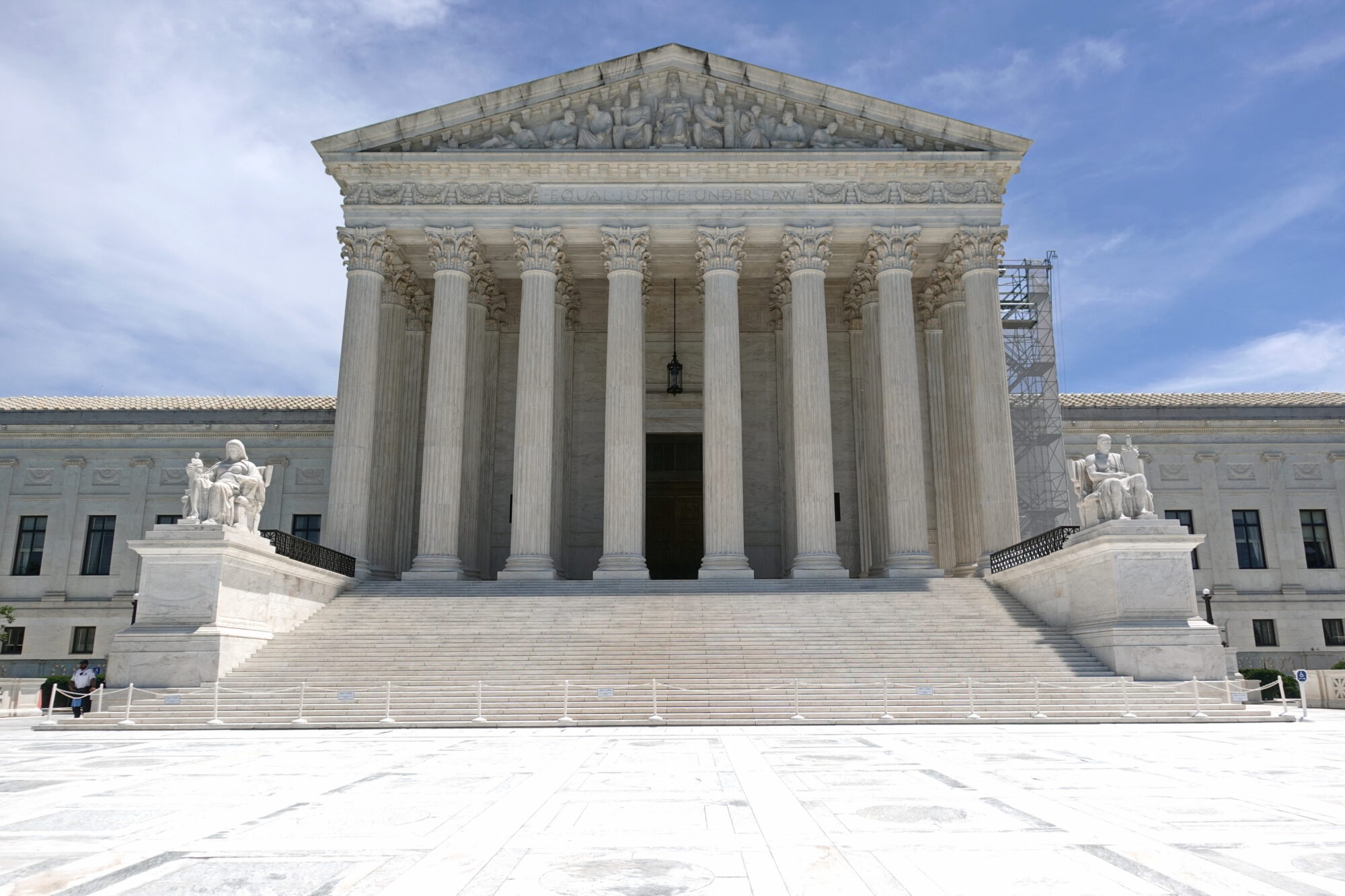
The US Supreme Court ruled on 24 August 2026 to stay a lower-court injunction that had blocked President Donald Trump’s executive order on mail-in voting from applying in 23 states and the District of Columbia, in a case styled Trump v. California. In a per curiam opinion, the majority found that the states challenging the order had not shown an injury concrete and imminent enough to make their claims ready for court before this autumn’s elections, according to NPR and the Constitution Center.
What the order does, and what remains blocked
The executive order directs the Department of Homeland Security to compile citizenship lists for each state and requires states that use mail ballots to submit voter lists to the federal government ahead of key elections, with the Postal Service authorised to decline delivery if a state does not comply; it also sets new design and tracking standards for mail ballots, according to Votebeat. US District Judge Indira Talwani had issued two separate injunctions against the order — one in June covering the 24 jurisdictions that sued, and a second, broader nationwide injunction on 11 August. The Supreme Court’s ruling lifted only the first injunction; the nationwide block issued in August remains in place, meaning California’s vote-by-mail system continues to operate unchanged for now.
A narrow, interim ruling
The Court stressed that its decision was not a final ruling on the order’s legality. “The consequences of allowing such transformative changes to take effect so close to this fall’s elections would be extreme,” the majority wrote, according to Votebeat, while cautioning that the ruling “does not mean that any measure taken by the government to implement the order will necessarily be lawful.” Justices Sonia Sotomayor, Elena Kagan and Ketanji Brown Jackson each dissented separately. States and voting-rights groups are expected to challenge the Postal Service’s implementation rules separately, and a parallel case remains pending in federal court in Washington, DC.
Why It Matters
The ruling illustrates how emergency, or “shadow docket,” orders can reshape election administration even before a case is fully argued, leaving states and voters with a patchwork of rules as a major election approaches. With one injunction lifted and another still standing, the legal status of a presidential order touching how tens of millions of Americans cast mail ballots remains unresolved.



Leave a Reply