

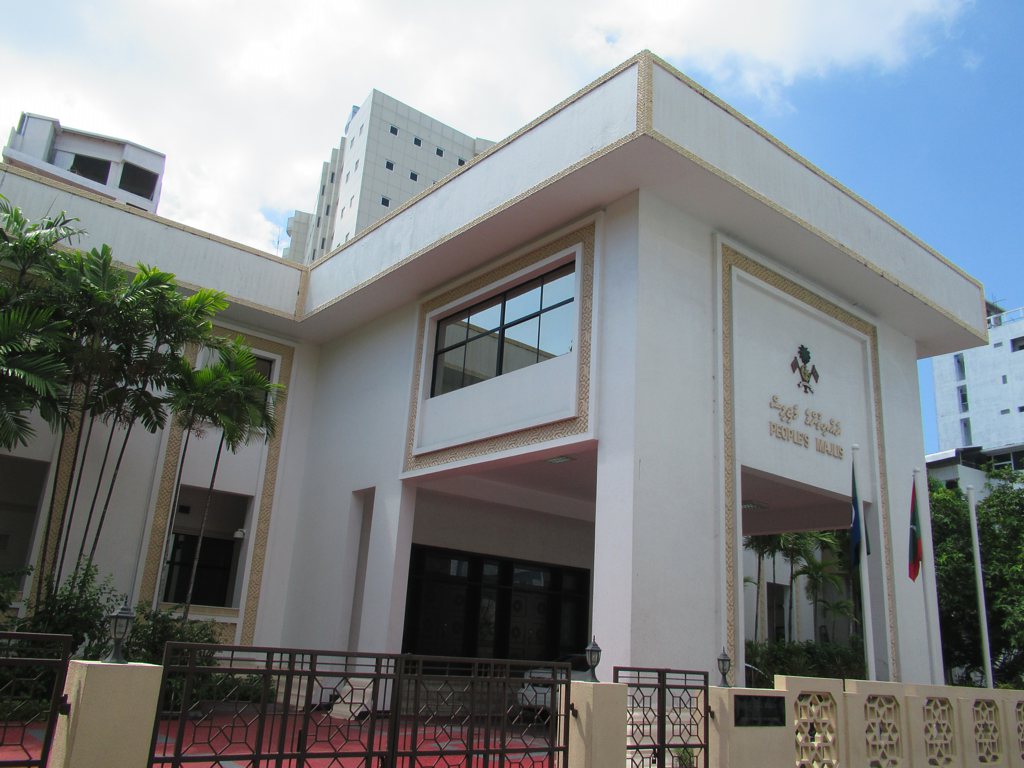
Maldivian President Dr Mohamed Muizzu ratified the country’s new Land Transport Act on 31 August 2026, replacing the Land Transport Act of 2009 and the Maldives Pedestrian Act of 1978 with a single, updated framework. The bill was passed by the People’s Majlis on 26 August during the 28th sitting of its second session of the year, according to the Ministry of Economic Development, Trade and Transport.
What the new law covers
The Act sets out rules for vehicle registration, driving, stopping and parking, and creates a regulatory framework for public transport services, along with penalties for violations including dangerous driving, according to Edition. It establishes a “Registration and Traffic Management Controlled Zone” for the Greater Malé Area and creates the Greater Malé Transport and Mobility Office, given an initial three-year mandate to manage land transport services in the capital’s high-density districts. The Act also sets up a National Road Safety Council to advise on road safety and a dedicated fund to support modernisation of the transport system.
A wider legislative push
The Act takes effect 30 days after its publication in the government Gazette. Its ratification came during a period of active legislative work by the Majlis, with President Muizzu also using recent addresses to stress the importance of an integrated land, sea and air transport network for the Maldives’ economic growth, according to the President’s Office. Malé’s roads have long struggled to accommodate a vehicle fleet that keeps growing even though the capital’s land area barely changes, and successive governments have looked to legal and institutional reform, rather than road-building alone, as a way to manage the pressure.
Why It Matters
Malé’s roads carry one of the highest vehicle densities of any capital in the world relative to available road space, and outdated transport law has struggled to keep pace with that growth. A modern legal framework, with dedicated institutions for planning and road safety, is a concrete piece of public administration reform that will shape daily life for residents of the Greater Malé Area for years to come.



Leave a Reply