

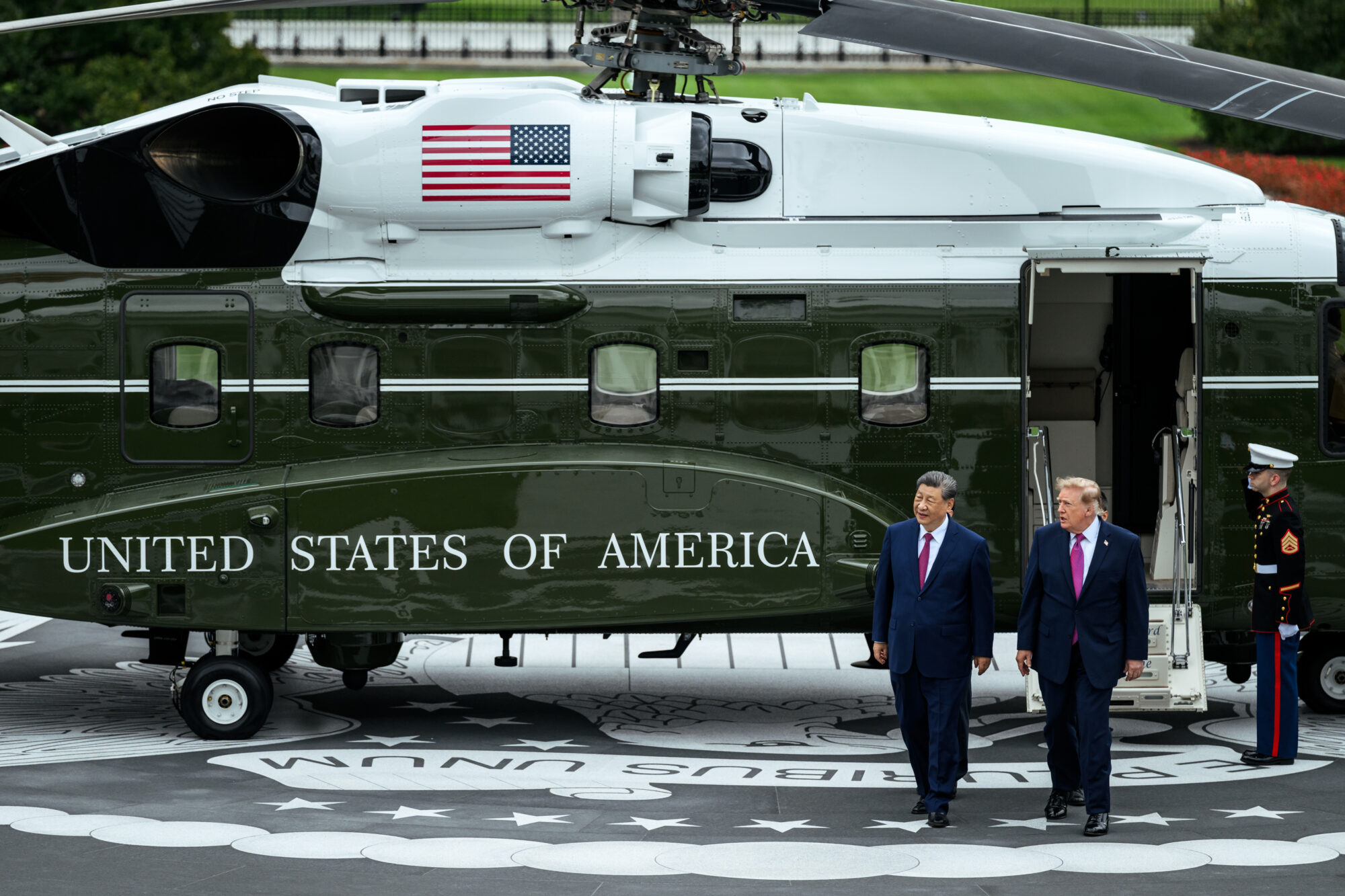
The United States and China agreed to a reciprocal $30 billion tariff-reduction arrangement, China’s foreign ministry announced on 26 September, following President Xi Jinping’s three-day state visit to Washington that concluded with a formal White House welcome from President Donald Trump.
Tariff Cuts and New Trade Bodies
The arrangement affects tariffs on goods ranging from coal to toys, according to reporting on the announcement, and the two sides agreed to establish a Board of Trade and a bilateral trade council to manage the relationship going forward. The agreement builds on trade truce terms the two countries had previously extended through 10 November 2026, following earlier negotiations in Kuala Lumpur.
New Dialogue on AI Risk
Washington and Beijing also committed to launching discussions on artificial intelligence, with a focus on shared risks and benefits, and agreed to establish a bilateral communication channel for AI-related incidents. The next round of talks is scheduled for November, according to the report, though few further policy specifics have been disclosed publicly. The two leaders also announced plans for a joint AI safety summit to be held in Shenzhen that month, though details of its agenda have yet to be released.
A Visit Light on Broader Breakthroughs
Beyond the tariff and AI announcements, the three-day summit produced comparatively few other concrete policy outcomes on the wider trade relationship, according to the report, with officials on both sides describing the visit chiefly in terms of easing tension rather than resolving underlying disputes. The state dinner held during the visit was widely covered as a symbolic marker of improved atmosphere between the two governments.
Why It Matters
The tariff arrangement offers a measure of predictability for businesses on both sides after a stretch of trade tension, even though the reductions cover a relatively narrow slice of the roughly $600 billion in annual US-China trade. The new AI dialogue channel is notable in its own right, marking one of the first formal government-to-government mechanisms between the two powers aimed specifically at managing risks from artificial intelligence rather than trade alone.



Leave a Reply