

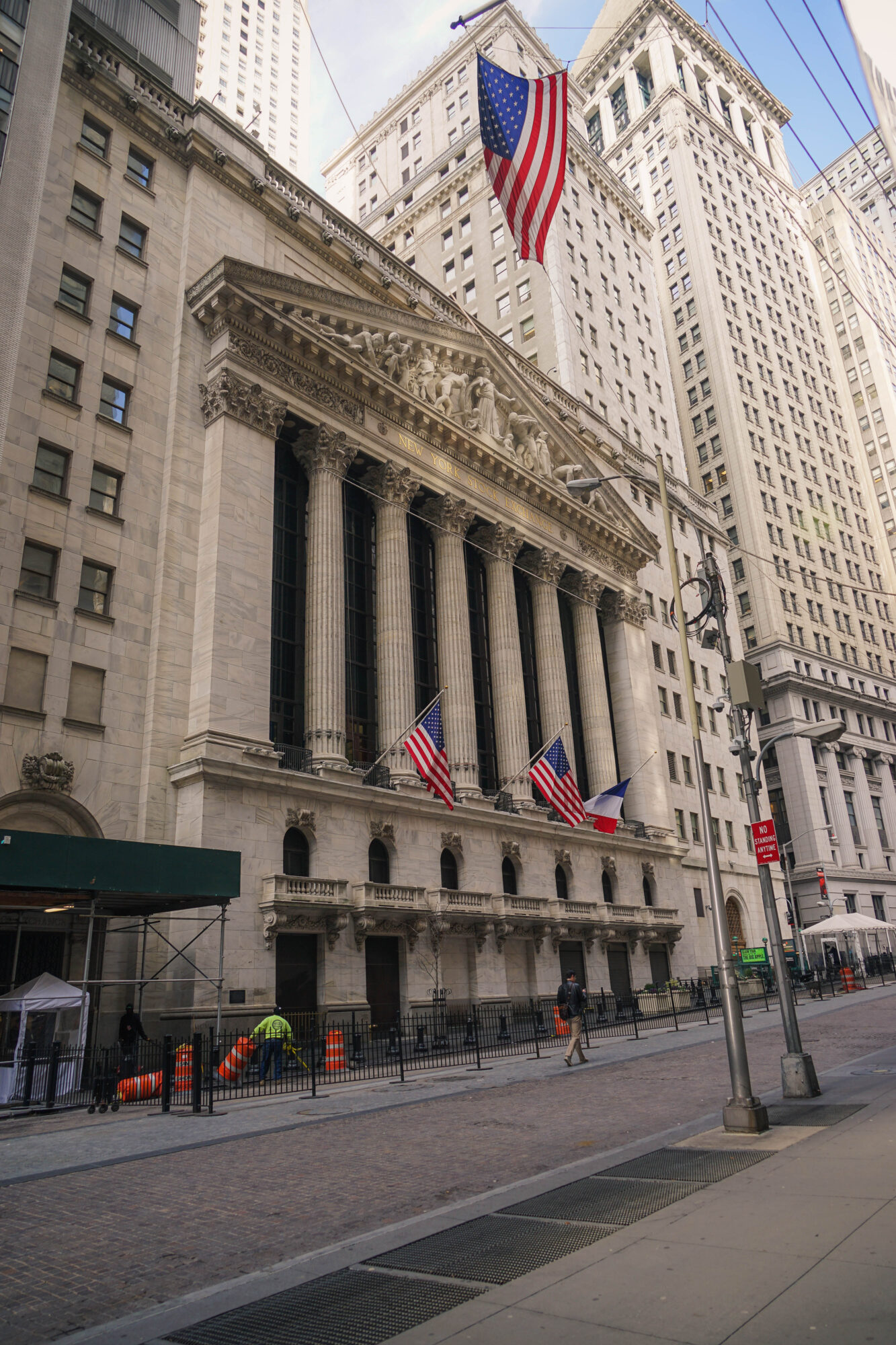
US stocks closed higher on Friday 25 September, with the Dow Jones Industrial Average rising 0.9%, the S&P 500 adding 0.5% and the Nasdaq Composite gaining 0.5%, as Wall Street wrapped up a volatile week that saw the Dow snap a three-week losing streak, according to market data reported by Yahoo Finance.
Yields Climb to Post-Crisis High
The 10-year Treasury yield climbed to 5.18%, its highest level since the 2008 financial crisis, amid persistent inflation concerns. BlackRock’s Rick Rieder characterised the move as “not a crisis but an eye-opener” rather than a sign of broader market stress, according to the report. Separately, the University of Michigan’s final consumer sentiment reading for the month fell to a four-month low, with survey respondents citing high petrol prices and tariff concerns.
Oil Slips on Hormuz Optimism
Oil prices fell during the week, with US benchmark crude dropping to around $92 a barrel and international benchmark Brent crude easing below $98, as markets weighed the possibility of negotiations to reopen the Strait of Hormuz to shipping. The week also included the conclusion of a state visit to Washington by Chinese President Xi Jinping, though the report noted the visit yielded “few policy outcomes” on trade beyond an announced AI safety summit planned for Shenzhen in November.
A Week of Cross-Currents
Trading through the week reflected competing signals: strong corporate earnings and resilient consumer spending data helped support equities, even as the jump in long-term Treasury yields raised questions about how long that resilience could last. Analysts quoted in the report said markets appeared to be looking past the yield move for now, focusing instead on the prospect of easing geopolitical tension around Middle East oil supplies.
Why It Matters
The combination of rising long-term borrowing costs and resilient equity markets illustrates the balancing act facing investors: yields near multi-decade highs typically pressure stock valuations, yet major indices still posted weekly gains. The path of Treasury yields in particular will shape borrowing costs for households, businesses and the US government well beyond any single week’s trading, making it one of the most closely watched indicators heading into the final quarter of the year.



Leave a Reply