

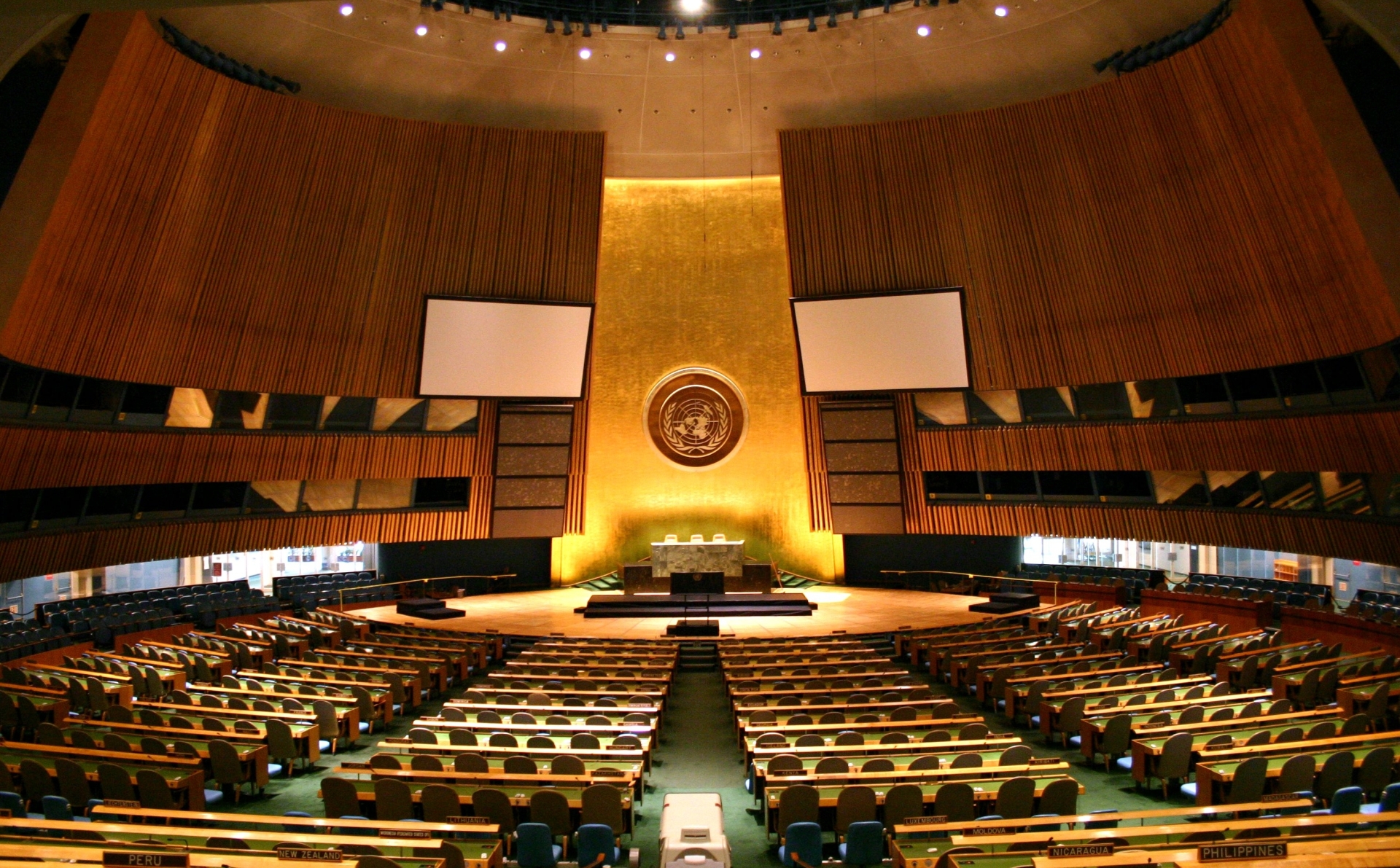
Humanitarian organisations and new philanthropic players packed side meetings around UN General Assembly week in New York, searching for ways to counter sharp cuts in foreign aid from some of the world’s wealthiest donor countries, according to a report by the Associated Press carried by US News. Nonprofits, foundations and corporations used the annual gathering to compete for a share of attention and funding for their causes.
A Sharpening Funding Gap
The scramble for alternative funding sources has intensified after recent steep declines in aid flows from major donor governments to poorer countries, the report said. UN humanitarian coordination officials have separately said the annual funding appeal for 2026 was scaled back after support fell to its lowest level in a decade, even as needs from conflicts, disasters and disease outbreaks remain high.
New Players Enter the Space
Alongside established UN agencies and international charities, a wider mix of foundations and private-sector donors used the General Assembly sidelines to explore new partnerships and financing mechanisms, the report said, reflecting a shift toward more diversified funding models as governments pull back. Organisers of several side events said the goal was less about replacing government funding outright than about building coalitions that could respond more quickly to specific crises.
Crowded Ballrooms, Competing Causes
The report described nonprofits, foundations and corporations packing Manhattan ballrooms and closed-door meetings throughout the week, each seeking to direct a share of the world’s attention, and funding, toward their particular mission. That competition for finite philanthropic dollars has intensified as government aid budgets have shrunk, leaving many organisations to compete more directly with one another for the same pool of private donors.
Why It Matters
The search for new humanitarian funding sources reflects a broader structural shift in how the aid sector is financed, as government budgets that long underpinned the system come under pressure. Whether private philanthropy and corporate partnerships can fill a meaningful part of the gap left by government cuts will shape the reach of humanitarian response to crises worldwide in the years ahead.



Leave a Reply