

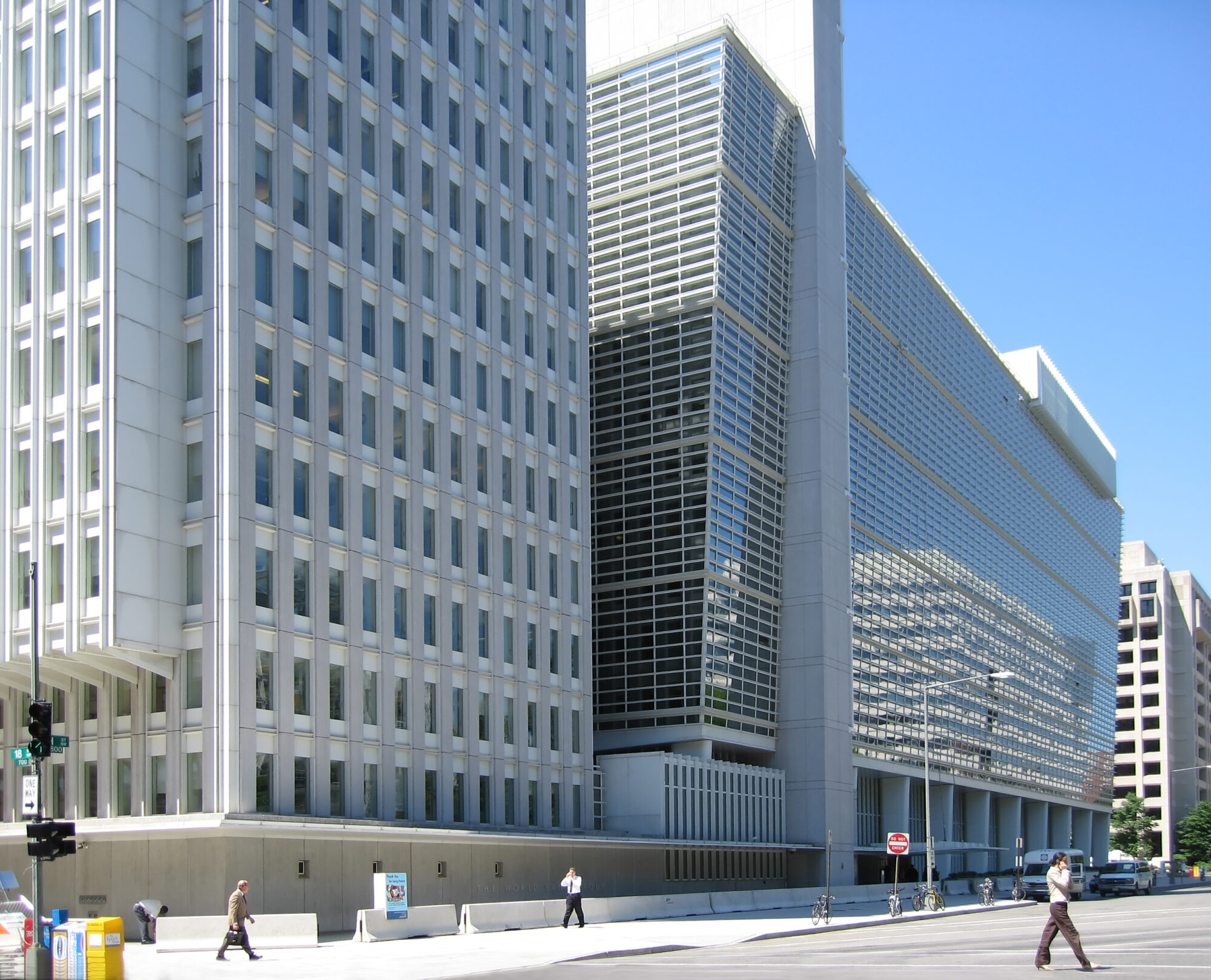
The executive boards of the International Monetary Fund and World Bank backed reforms to their joint Debt Sustainability Framework for Low-Income Countries, the IMF said in a statement, marking the first overhaul of the framework since 2017. The review responds to a debt environment the institutions describe as more complex and riskier for low-income countries amid elevated development and climate-related financing needs.
Sharper Risk Analysis
The reforms aim to bring greater rigour to assessments of debt sustainability by better distinguishing countries facing some risk of debt distress from those whose debt is already unsustainable, according to the IMF. The changes refine how countries’ debt-carrying capacity is measured and recalibrate the thresholds used to signal debt stress.
A Broader View of Debt Risk
The updated framework will more systematically analyse domestic debt vulnerabilities, not just external borrowing, and better account for long-term pressures including climate adaptation costs, the IMF said. The two institutions also plan to enhance the tools and stress tests used to ensure the accuracy of debt forecasts and to encourage countries to improve the transparency of their debt reporting. The changes are due to become operational in the second half of 2027.
A Long Runway to Implementation
The roughly year-long gap between the boards’ approval and the framework becoming operational in the second half of 2027 reflects the scale of the technical work still required, including recalibrating models and training staff at both institutions to apply the new methodology consistently across dozens of countries. The IMF said it would consult with member governments during the transition period to ensure the revised framework is well understood before it takes effect.
Why It Matters
Many low-income countries have taken on more diverse and more commercially priced debt in recent years, from a wider range of domestic and external creditors, making the old framework increasingly outdated for capturing real fiscal risk. A more accurate assessment tool could help both borrowing governments and lenders identify debt problems earlier, potentially averting the kind of debt crises that have forced several low-income countries into painful restructuring negotiations in recent years.



Leave a Reply