

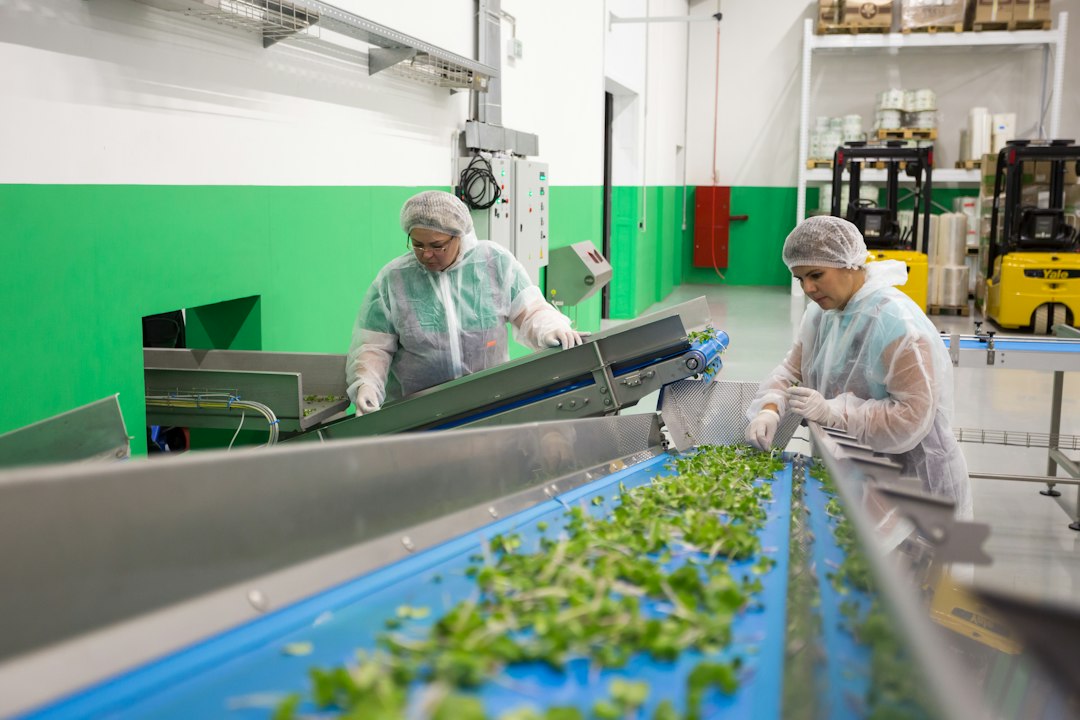
Swiss voters rejected a citizens’ initiative on 27 September that would have required the federal government to actively promote plant-based food production and consumption, with more than 70% voting against the proposal, according to Swiss broadcaster SWI swissinfo. The initiative was submitted for signature collection by campaigner Franziska Herren in August 2024, part of a wave of food and agriculture-related ballot measures Switzerland has seen in recent years.
Government Opposed the Measure
The Swiss federal government had recommended voters reject the initiative, and the scale of the defeat suggests the proposal struggled to build broad support even among voters otherwise sympathetic to environmental or dietary-related causes. The measure was voted on the same day as a separate, unrelated initiative on constitutional neutrality, which was also defeated by a similar margin.
Switzerland’s Pattern of Food Votes
Switzerland’s system of direct democracy regularly brings agriculture and food-policy questions before voters, given the country’s politically influential farming sector and strong public interest in food security and sustainability questions. This initiative’s defeat continues a pattern in which broader lifestyle-oriented food initiatives have struggled at the ballot box even as narrower sustainability measures have occasionally succeeded in past votes.
A Long Path From Petition to Ballot
The initiative required Herren’s campaign to collect 100,000 valid signatures to force a national vote, a process that took roughly two years from submission to the ballot itself, illustrating the lengthy timelines built into Switzerland’s citizen-initiative system. Campaigners had hoped growing public interest in sustainable diets would translate into support at the polls, but the scale of Sunday’s defeat suggests that interest did not extend to a government-led promotional mandate.
Why It Matters
The result leaves Switzerland’s food and agriculture policy on its existing trajectory, without a constitutional mandate to promote plant-based production specifically. For campaigners on dietary and environmental issues, the wide margin of defeat may prompt a rethink of strategy, given that Swiss voters have shown more openness in the past to narrower proposals focused on specific environmental or animal-welfare standards rather than broad shifts in food production policy.



Leave a Reply