

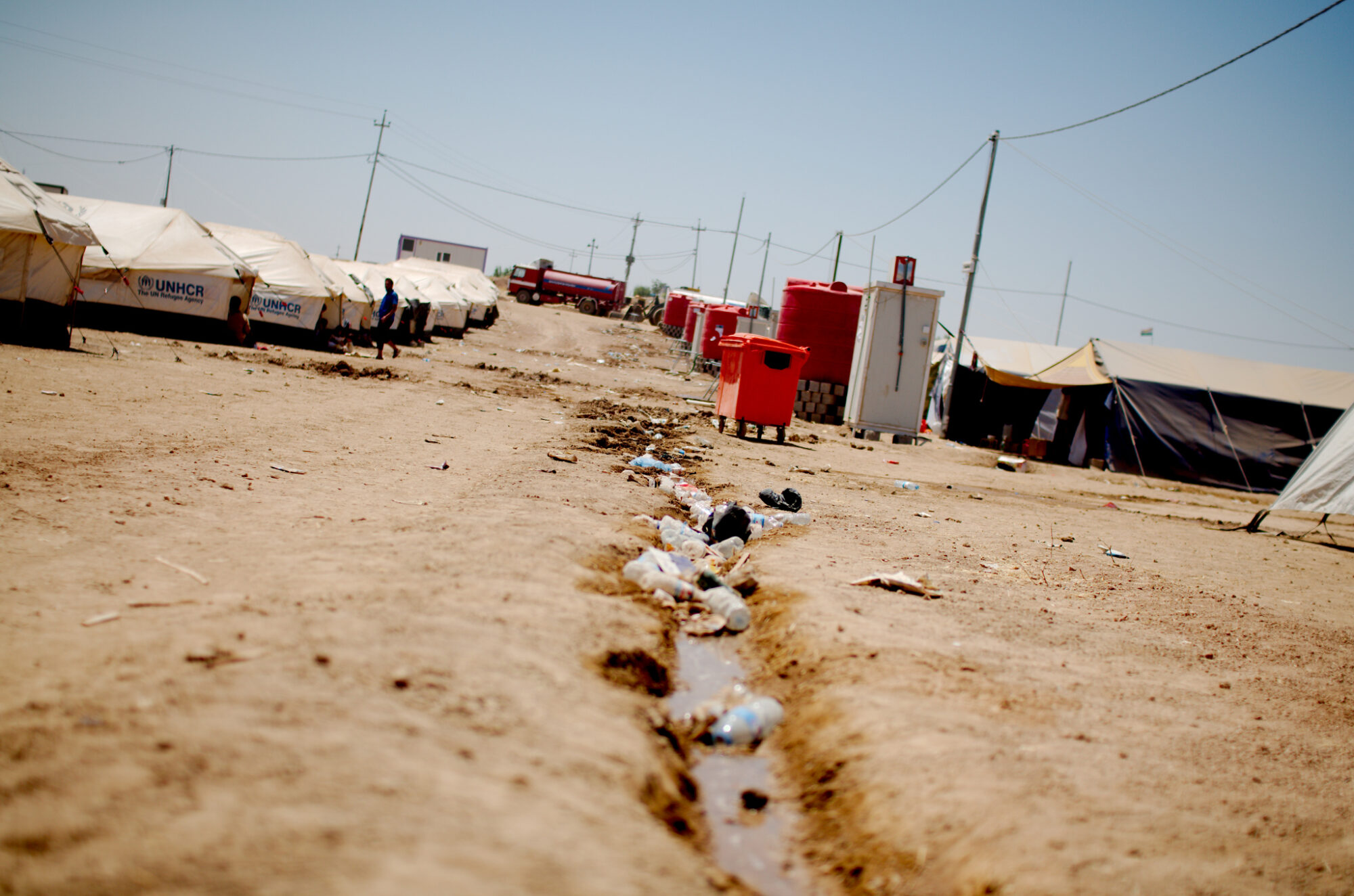
The UN refugee agency UNHCR warned on 28 September that a deepening funding crisis could leave 8.3 million refugees and other displaced people without access to vital protection services, in a report detailing the effects of budget cuts by the United States and other donor governments.
A Widening Gap
Funding available to UNHCR fell from $5.178 billion in 2024 to $3.932 billion in 2025, and by July the agency had received only 32% of the $8.5 billion it says it needs for 2026, according to the report, titled “Protection Eroded: The Human Cost of Underfunding.” The agency said it cut its workforce by a third in 2025 and closed 140 offices. In Chad, the report found, roughly 319,000 refugees face registration delays that leave them without documentation, while up to 200,000 women and girls risk losing access to safe spaces. In Afghanistan, cash grants for returnees have been cut from $375 per person to $170 per household, and in Ethiopia, safe houses for survivors of gender-based violence have been reduced from 29 to 13, UNHCR said.
Warning of Cascading Risks
“When registration stops, safe houses close or child protection services disappear, the very risks that people fled – violence, exploitation and abuse – reappear in displacement,” said Dominique Hyde, UNHCR’s director of external relations. The agency said funding earmarked for specific projects has risen from 19% of its budget in 2022 to 51% in 2026, leaving it less able to redirect resources to the most urgent needs.
Why It Matters
The report illustrates how reduced humanitarian budgets translate into concrete, measurable harm for displaced populations, and adds pressure on donor governments meeting on the sidelines of the UN General Assembly to reverse funding declines before more protection systems reach what the agency calls a breaking point.



Leave a Reply