

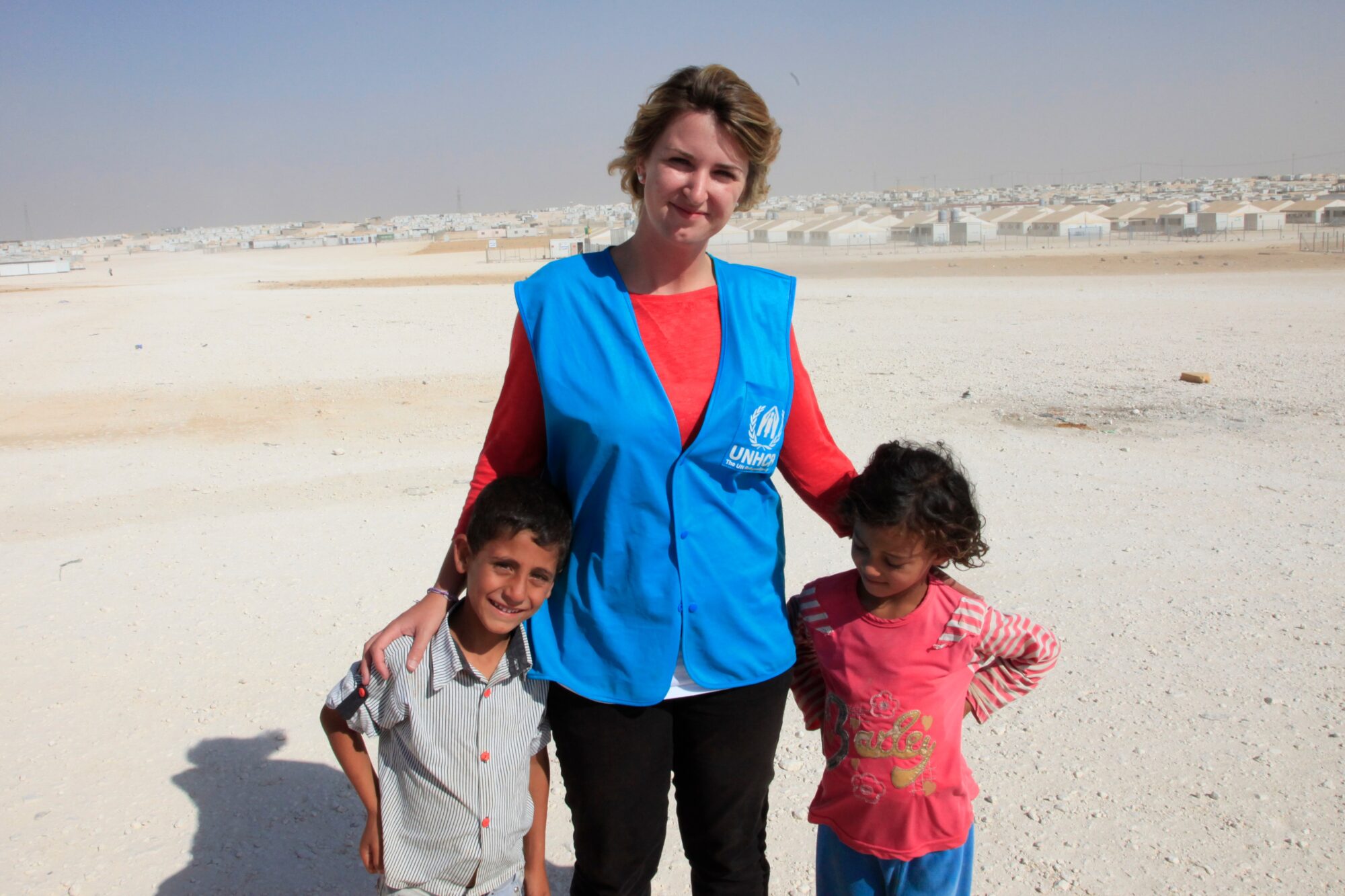
UNHCR’s warning this week that a funding shortfall could leave 8.3 million displaced people without basic protection services is the latest sign that the international system built to shelter refugees is being reshaped, not by policy design, but by the scale of budget cuts from its largest donors.
A System Built on Discretionary Funding
Unlike core UN peacekeeping assessments, humanitarian agencies such as UNHCR rely heavily on voluntary contributions that can rise or fall sharply from year to year. According to the agency’s own figures, available funding fell from $5.178 billion in 2024 to $3.932 billion in 2025, and by July this year it had received only 32% of the $8.5 billion it says it needs. That volatility means cuts by any single major donor, such as the reductions UNHCR has attributed in part to the United States, can ripple through registration systems, safe houses and child-protection programmes worldwide within months, as the agency’s own account of curtailed services in Chad, Ethiopia and Afghanistan illustrates.
Donors Trying to Fill Gaps
Other donors have moved to offset some of the shortfall. The European Union, for instance, announced nearly EUR710 million in aid for displaced people and crisis-hit regions this week, according to the European Commission, though such pledges remain a fraction of the overall gap UNHCR has identified. The pattern raises a structural question for humanitarian diplomacy: whether a system dependent on the discretionary generosity of a handful of wealthy governments can reliably protect people fleeing conflict and persecution, or whether it needs a more predictable funding mechanism.
Why It Matters
How donor governments respond in the coming months will determine not just how many refugees receive services this year, but whether the broader architecture of international refugee protection, built up over seven decades, can continue to function as designed, or whether it must be redesigned around leaner, less comprehensive assumptions about what the world’s displaced people can expect.



Leave a Reply