

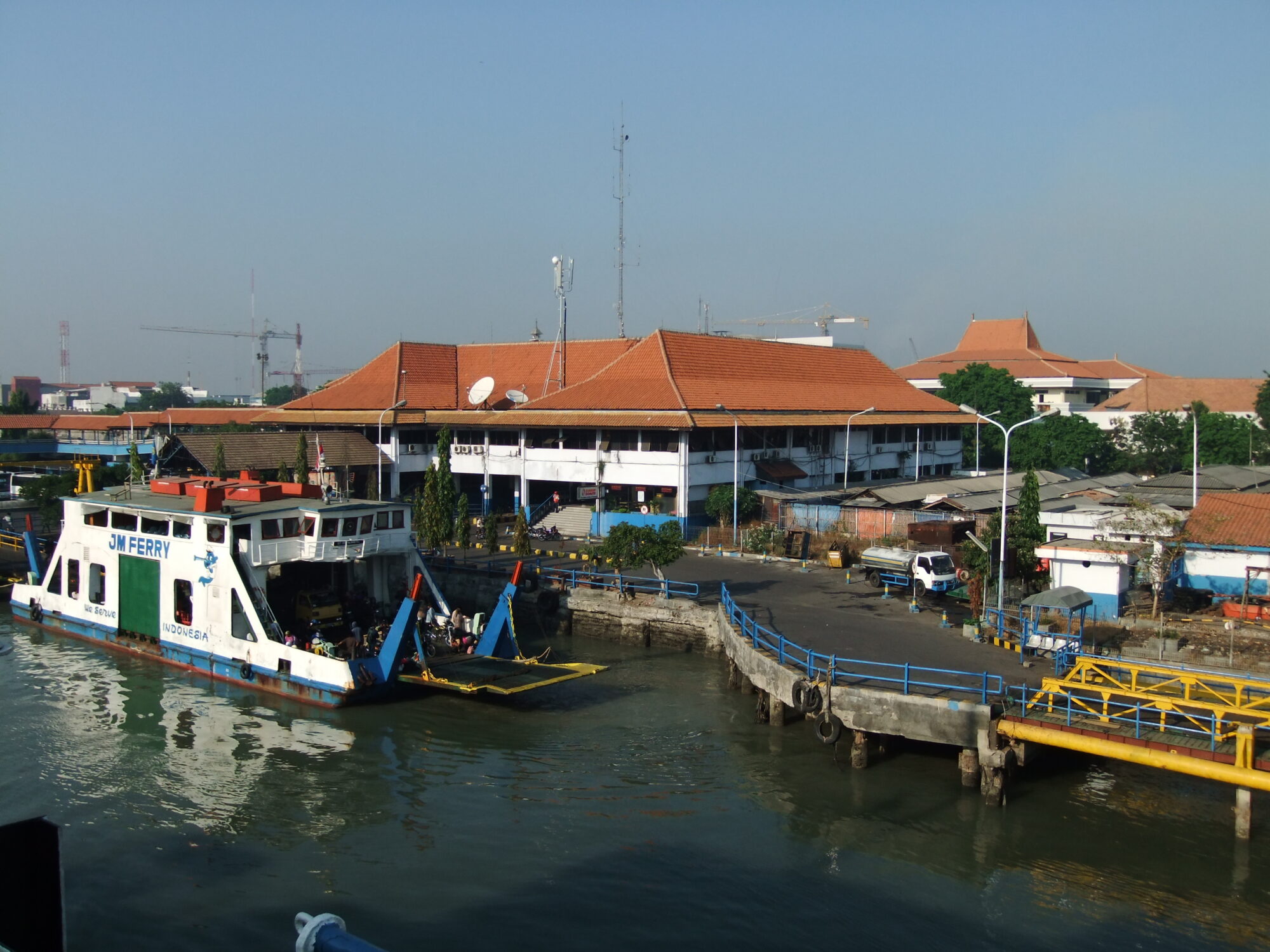
Indonesian search and rescue teams have extended their operation by seven more days after divers recovered additional bodies from the wreck of the ferry Virgo Transport 8, which capsized in the Java Sea on 13 September, bringing the confirmed death toll to 64, according to the Associated Press. The vessel was carrying 243 people and 89 vehicles from Surabaya, East Java, to Banjarmasin, South Kalimantan, when it went down.
A Difficult Underwater Recovery
The National Search and Rescue Agency deployed more than 600 personnel, along with 17 ships and five helicopters, in the days after the sinking, according to Wikipedia’s account of the disaster. The wreck settled at a depth of around 30 metres, forcing divers to break through windows to reach victims trapped inside the hull. Officials said 71 people remained missing as of the most recent update and are presumed dead, with the search operation extended for another week to allow crews to continue working the wreck.
One of Indonesia’s Deadliest Recent Maritime Disasters
Indonesia’s vast archipelago relies heavily on inter-island ferries, and the country has a long history of maritime accidents linked to overloading, ageing vessels and rough seas. The Virgo Transport 8 sinking ranks among the deadliest ferry disasters Indonesia has recorded in recent years, prompting renewed scrutiny of vessel safety standards on the busy Surabaya-Kalimantan route. Families of victims and survivors have been gathering at the port and at makeshift identification centres as authorities work to match recovered remains with those reported missing, a process complicated by the number of vehicles and passengers aboard.
Why It Matters
With dozens still missing and presumed dead, the disaster is a reminder of the risks embedded in Indonesia’s inter-island ferry network, which millions of people depend on for transport between the country’s more than 17,000 islands. The scale and difficulty of the recovery operation is likely to renew pressure on regulators to tighten vessel inspection and capacity rules for ageing ferries operating similar long sea crossings, a debate that has resurfaced after previous major sinkings without producing lasting reform.



Leave a Reply