

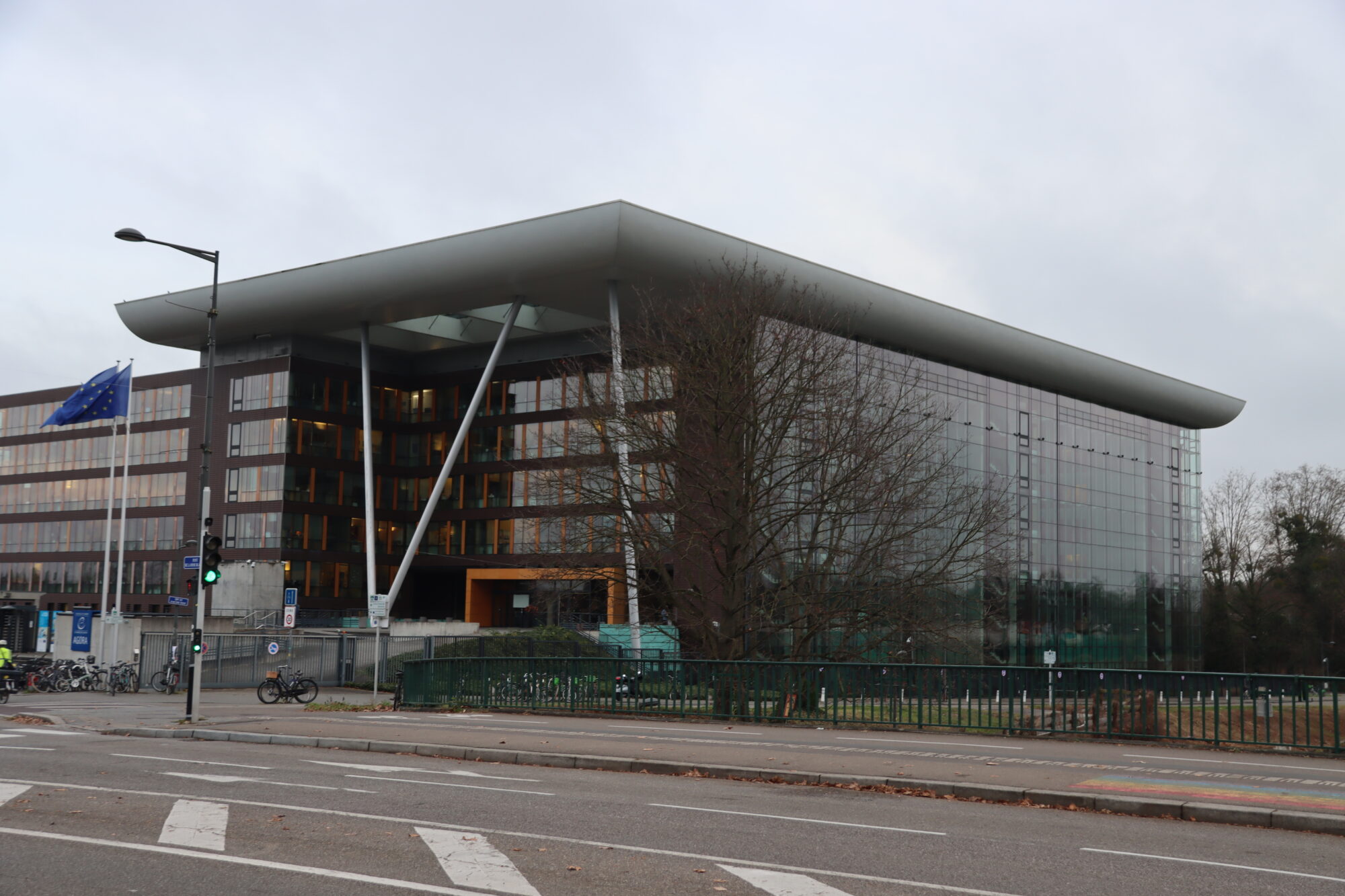
The Council of Europe said on 29 September that the United States had formally notified it a day earlier that it would leave the Group of States against Corruption, known as GRECO, becoming only the third country ever to withdraw after Russia and Belarus.
The US State Department confirmed the move, saying that American participation in GRECO, which requires an annual financial contribution, “does not provide tangible benefits to U.S. national security.” It added that “the era of writing blank checks to international bureaucracies is over,” and said the department would instead prioritise tools such as visa restrictions, sanctions and targeted assistance to foreign criminal investigations into corruption that directly threatens US security and prosperity.
A body built to monitor standards
GRECO was created in 1999 by the Council of Europe to monitor its member states’ compliance with anti-corruption standards, and the United States joined the following year, a year after its founding, despite not being a Council of Europe member itself. Membership in the Strasbourg-based body is open beyond the European Union.
The Council of Europe, in a statement, said the United States had been “a valuable contributor” to GRECO and to the exchange of experience and good practice in preventing and combating corruption, adding that the body “remains open to resuming cooperation with the United States in the future in support of shared efforts to prevent corruption, strengthen integrity and uphold the rule of law.”
Why It Matters
The withdrawal is the latest in a series of US exits from multilateral bodies, and observers have pointed to it as part of a broader retreat from institutions built around shared monitoring and peer review. With Washington stepping back, some analysts suggest European institutions may need to take on a larger role in coordinating international anti-corruption enforcement, a shift that could reshape how such standards are set and policed globally.



Leave a Reply