
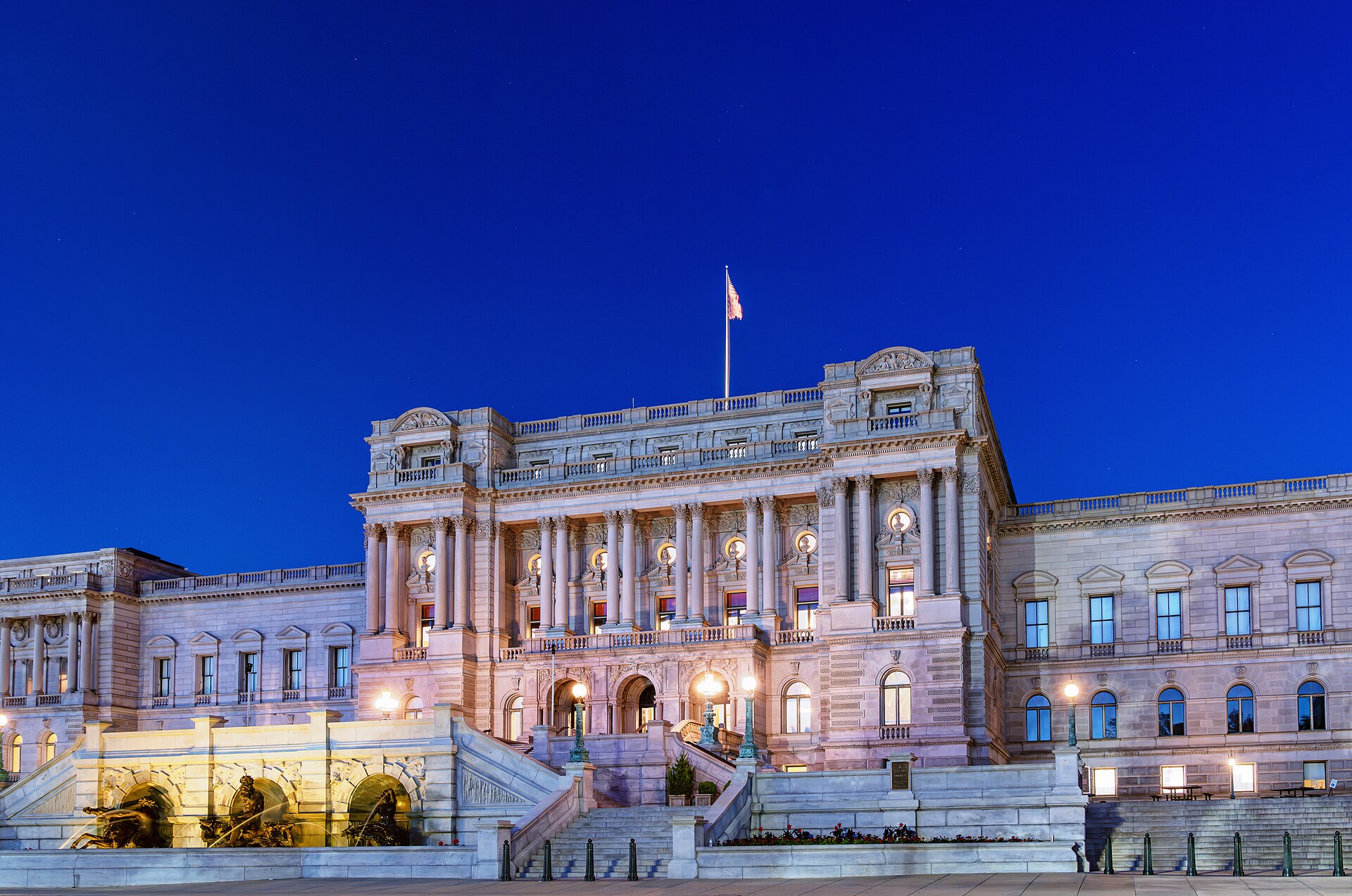
The National Endowment for the Arts held its 2026 National Heritage Fellowships ceremony on 30 September at the Library of Congress’s Coolidge Auditorium in Washington, honouring nine artists for artistic excellence, lifetime achievement and contributions to the United States’ traditional arts heritage, according to the federal agency.
The ceremony featured remarks from the recipients themselves along with short musical performances by several honourees, the NEA said. The 2026 fellows include Mexican folk musicians Juan Díes and Victor G. Pichardo, conjunto Tejano fiddler Belen Escobedo, Latin percussionist Giovanni Hidalgo, folklorist and documentarian Gerry Milnes, flutemaker Patrick Olwell, CHamoru dancer and choreographer Frank Rabon, saddlemaker and leather artist Cary Schwarz, and Hawaiian twined basketry artists Lloyd Harold Kumulā’au Sing, Jr. and May Haunani Balino-Sing.
Recognising a living heritage
According to the NEA, the National Heritage Fellowships recognise individuals and groups for their artistic excellence, lifetime achievement, and contributions to the nation’s traditional arts heritage. Including the 2026 class, the agency has now awarded 502 National Heritage Fellowships since the programme began, recognising artists working in more than 200 distinct traditional art forms, according to the NEA. The fellowships, among the longest-running of the federal government’s arts honours, have historically spanned genres from Appalachian storytelling to Indigenous craftwork, reflecting the range of folk and traditional practices maintained across American communities.
Why It Matters
Traditional and folk art forms are often sustained by individual practitioners and small community networks rather than large institutions, making them vulnerable to being lost between generations. Federal recognition through fellowships such as these helps document and financially support artists working in these forms, while raising public visibility for practices that might otherwise receive little mainstream attention. For the communities these artists represent, from Hawaiian basket weavers to Tejano fiddlers, the fellowship also serves as public acknowledgement that their craft belongs within the country’s broader cultural record, not just its regional history.



Leave a Reply