
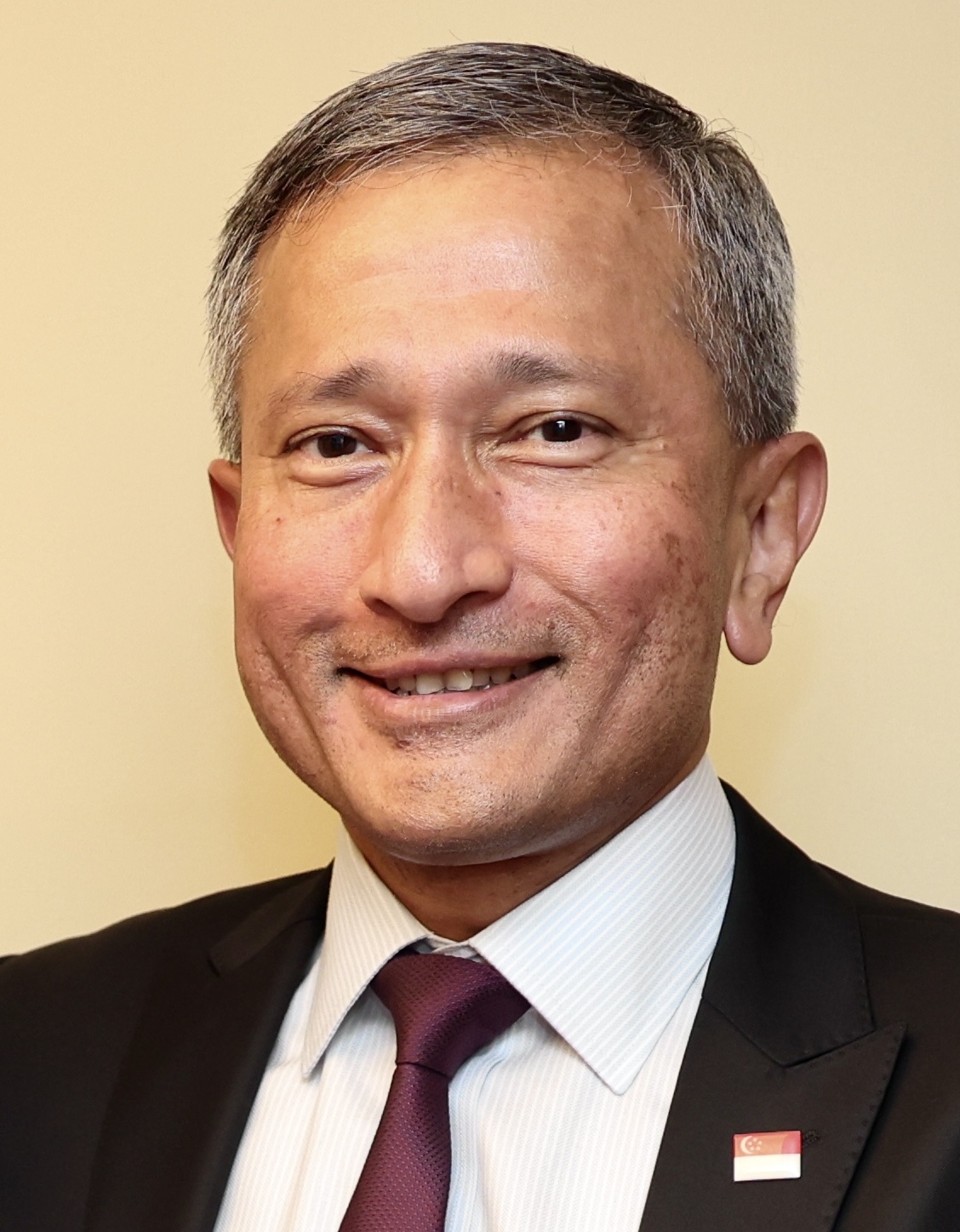
Singapore’s Minister for Foreign Affairs, Vivian Balakrishnan, met with permanent representatives of the African Group at the United Nations in New York on 28 September, using the meeting to set out Singapore’s vision for deeper engagement with African states, according to a transcript published by Singapore’s Ministry of Foreign Affairs.
From Solidarity to Practical Cooperation
Balakrishnan told the gathering that Singapore’s relationship with Africa had broadened over three decades “from political solidarity to practical cooperation,” according to the ministry’s transcript. He cited a 1993 visit to Singapore by a group of young African leaders, organised by former Nigerian president Olusegun Obasanjo, as an early milestone in that relationship, and pointed to the Singapore Cooperation Programme, through which more than 14,000 African officials have taken part in training courses over the years, the ministry said.
The meeting took place on the final day of Singapore’s participation in the 81st session of the UN General Assembly’s high-level week, during which Balakrishnan held a series of bilateral meetings with African counterparts, according to the ministry. He described the past week of engagements as productive, noting that Singapore had held discussions with several African foreign ministers on the sidelines of the Assembly.
Part of a Broader Global South Push
The engagement follows a pattern of Singapore positioning itself as a development partner for African and other Global South states, distinct from traditional donor relationships, by emphasising shared experiences of post-colonial nation-building and technical training rather than aid alone.
Why It Matters
As African nations increasingly diversify their international partnerships beyond traditional Western and Chinese ties, smaller Asian states such as Singapore are positioning themselves as alternative partners offering technical expertise rather than large-scale financing. Sustained engagement of this kind can shape how African governments approach governance, urban planning and public administration reform in the years ahead.



Leave a Reply