
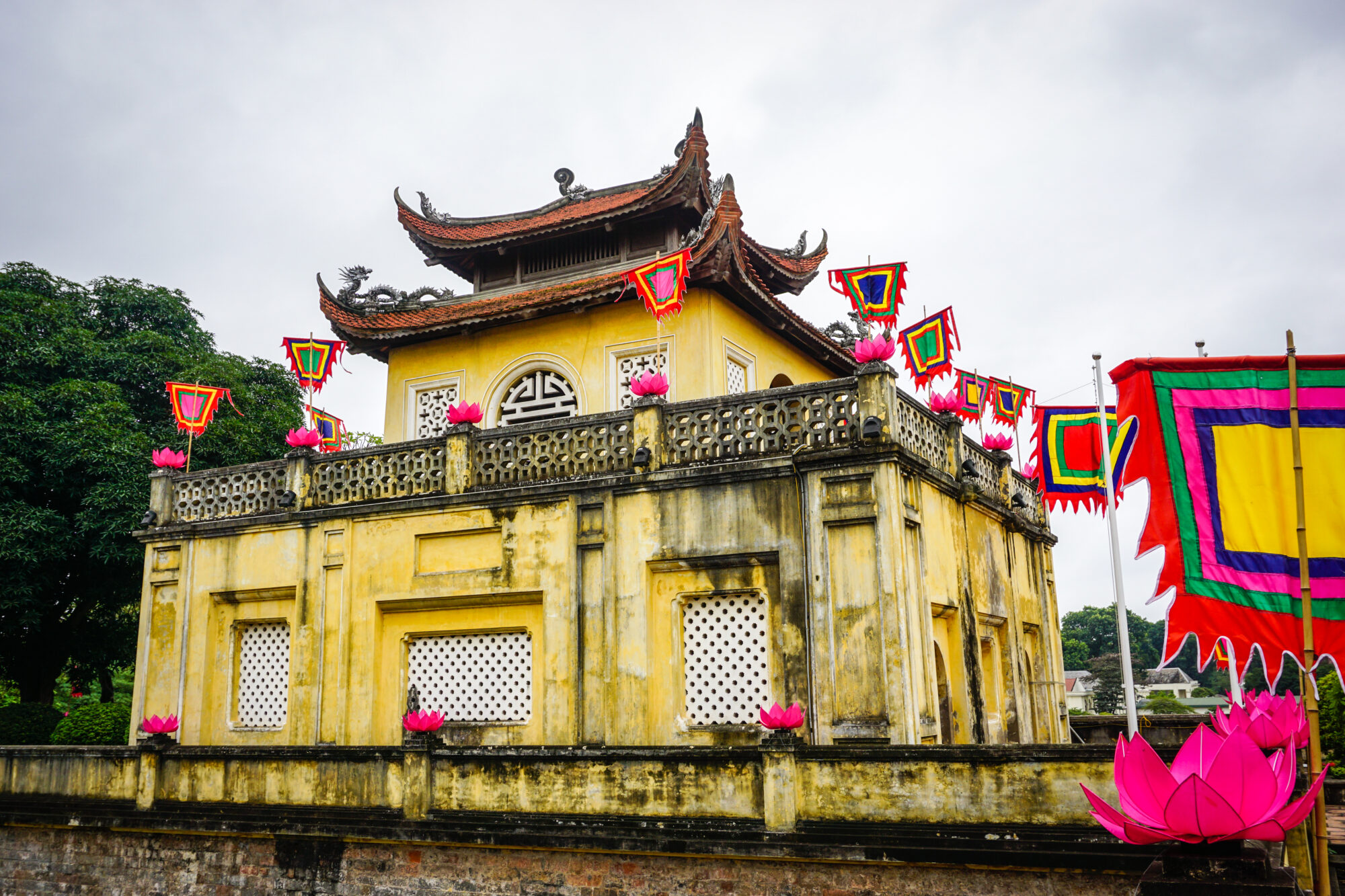
Hanoi opened the second World Culture Festival on 1 October, bringing together delegations from around 50 countries and international organisations for four days of cultural, culinary, film and fashion events at the Thang Long Imperial Citadel, according to Vietnamese state media.
Heritage Convergence at a UNESCO Site
The festival, themed “Heritage Convergence – Shaping the Future,” runs until 4 October and coincides with the 50th anniversary of Vietnam’s membership of UNESCO, Vietnam News reported. Organisers said the programme includes 45 cultural spaces, 35 food stalls, films from 18 countries, traditional costumes from 19 nations and performances by 20 international art troupes. The opening ceremony on the evening of 1 October featured Vietnamese performers alongside artistic delegations from countries including Azerbaijan, Bangladesh, China, Indonesia, Israel, South Korea, Laos, Pakistan and Peru, according to reporting from Dan Tri newspaper.
The Thang Long Imperial Citadel, a UNESCO World Heritage Site in central Hanoi, is hosting the festival for a second consecutive year, following its debut edition, as the city seeks to position the venue as a recurring showcase for international cultural exchange. Organisers said the festival is free to the public, with additional events planned across other Hanoi cultural venues throughout the four-day run.
Part of a Broader Cultural Diplomacy Push
The festival forms part of a wider pattern of Vietnamese cultural diplomacy this year, as the country marks the UNESCO anniversary with a series of heritage-linked events, including a regional dialogue on heritage and authenticity held in Hanoi and Ninh Binh in late September.
Why It Matters
Large-scale cultural festivals held at historic sites serve a dual purpose for host cities: they draw international visitors and media attention while also reinforcing domestic pride in heritage preservation. For Hanoi, hosting a multinational festival at a UNESCO-listed citadel underscores the growing role cultural tourism plays in Vietnam’s broader international engagement strategy.



Leave a Reply