

The UN refugee agency, UNHCR, said it was concerned by Malaysia’s decision to begin returning people to Myanmar, after buses transported an initial group of around 1,500 people from immigration detention to a naval base near Lumut on 29 September, according to Al Jazeera and a UNHCR statement.
Questions Over Consent
Malaysia’s Home Ministry maintained that the returns were voluntary, but UNHCR said it had not been given access to the individuals involved to independently assess whether their decisions were genuinely free and informed, given that they had been held in immigration detention beforehand. “Any refugee return must be voluntary, based on an informed decision, and take place in conditions of safety and dignity,” the agency said in its statement. Malaysian Prime Minister Anwar Ibrahim had earlier said Myanmar agreed to accept up to 5,000 people under the arrangement, according to Al Jazeera.
Rights groups, including Doctors Without Borders, urged Malaysia to halt the returns and disclose information about those being sent back, while more than 160 civil society organisations called for the repatriation to stop, citing continuing violence between Myanmar’s military and the Arakan Army in Rakhine state, according to Al Jazeera’s reporting.
A Long-Standing Regional Dilemma
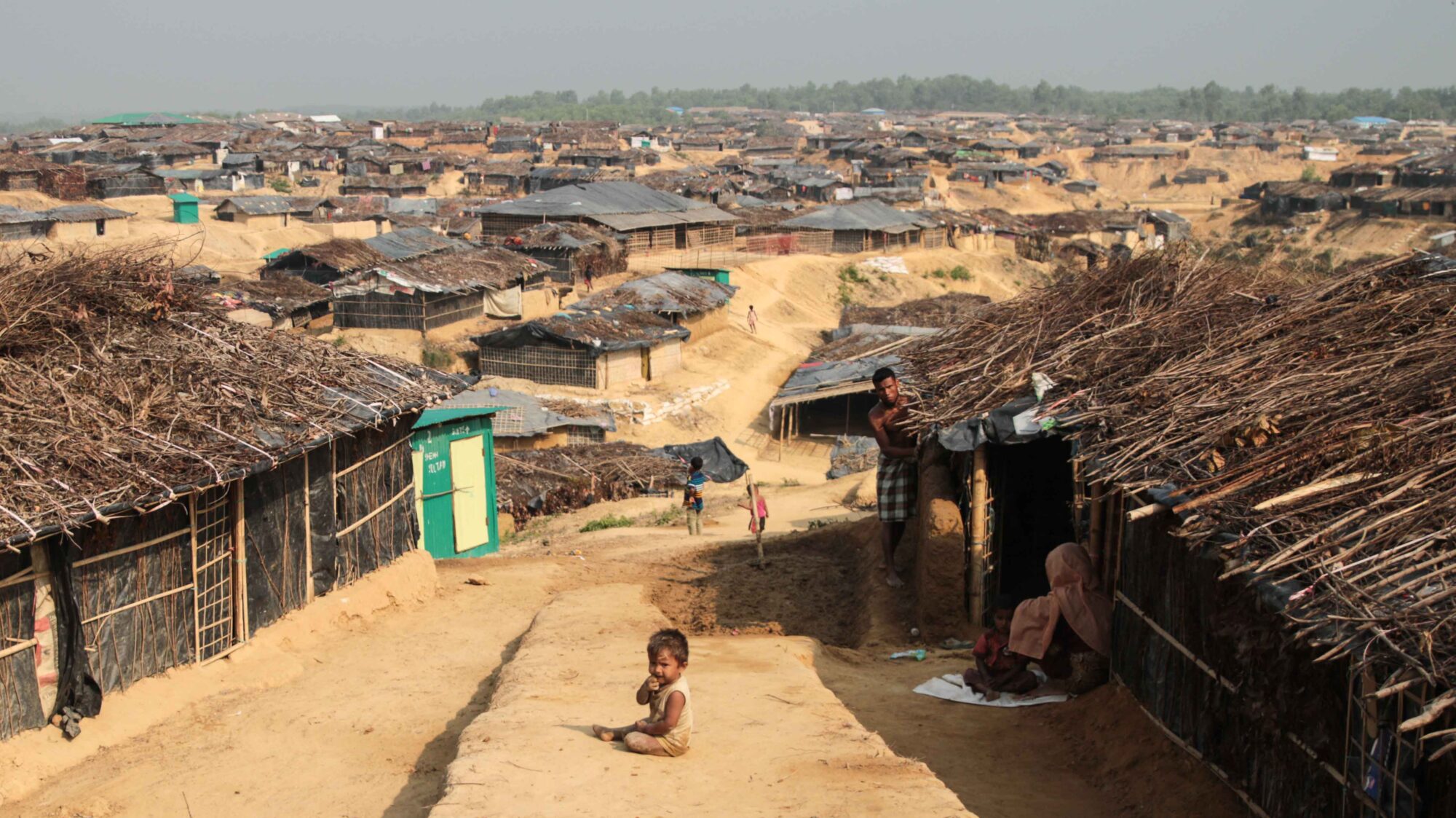
Malaysia has hosted more than 126,000 registered Rohingya refugees as of February, according to UNHCR figures, while Bangladesh hosts over 1.2 million in camps including Kutupalong, the world’s largest refugee settlement. Malaysia is not a signatory to the 1951 Refugee Convention, leaving Rohingya there without formal legal status despite decades of presence.
Why It Matters
The returns test a core principle of international refugee protection, non-refoulement, the obligation not to send people back to places where they face serious danger, at a moment when conflict in Rakhine state remains active. How the situation unfolds could influence how other Rohingya-hosting countries in the region approach returns in the future.



Leave a Reply