

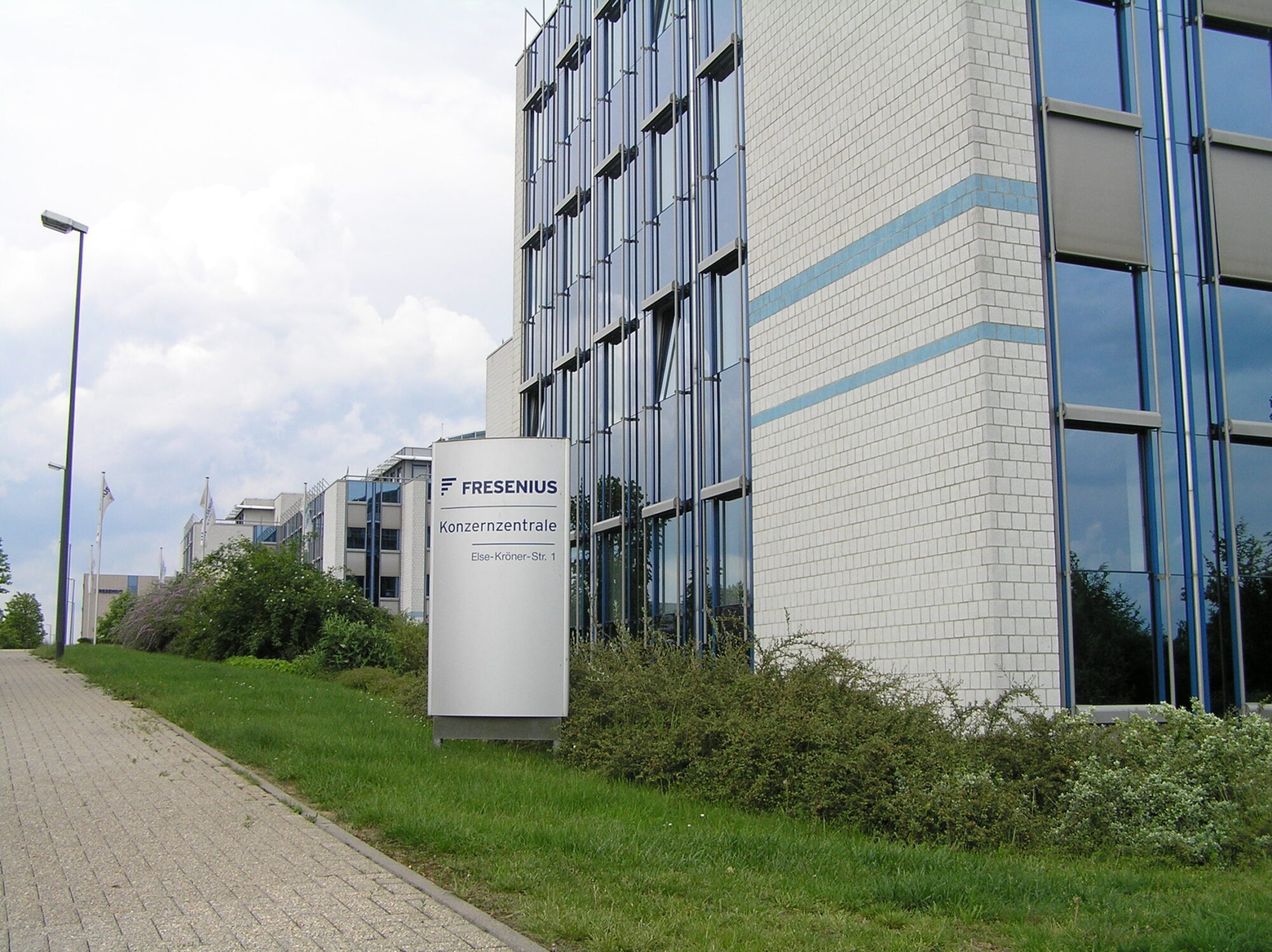
German healthcare group Fresenius has acquired the remaining 45 per cent of the biosimilars developer mAbxience, giving it full ownership of the business. According to a company press release issued on 2 October 2026, the deal was signed and completed on 30 September, at a total consideration of up to EUR750 million in cash.
The Terms
Fresenius bought the stake from Insud Pharma and Invim Corporativo, according to the release. The EUR750 million figure includes a contingent payment of EUR50 million that depends on regulatory approvals of manufacturing sites. The company said the purchase was funded from available liquidity and operating cash flow, with no new financing required, and that it expects the transaction to be immediately accretive to core earnings per share.
According to the release’s notes to editors, Fresenius announced the acquisition of a 55 per cent majority stake in mAbxience on 31 March 2022, with completion on 1 August 2022. The latest purchase gives it full ownership of the business.
What mAbxience Brings
The Spanish-based company has three drug-substance facilities in Spain and Latin America and employs more than 1,300 people, Fresenius said. Its portfolio includes four approved products and eight candidates in development, and it reported 2025 revenue of more than EUR320 million with accretive margins, according to the release. Biosimilars are lower-cost versions of complex biological medicines whose patents or exclusivity have expired.
Fresenius chief executive Michael Sen said in the statement that full ownership gives the group complete control over cost, capacity and launch timing, as the next wave of biologics loses exclusivity. mAbxience chief executive Jurgen Van Broeck described full ownership as the natural next step and said it creates a stronger platform for innovation and growth. Fresenius said it expects the biosimilars market to grow roughly sixfold by 2035 to exceed EUR180 billion, a company projection, and presented the purchase as part of its capital allocation strategy.
Why It Matters
Buying out a minority partner is a quieter kind of deal than a headline takeover, but it can be strategically significant. Full ownership removes the need to share decisions and profits on investment, plant capacity and product launches, which matters in biosimilars because timing relative to patent expiry largely determines commercial success. The move also signals that a large European healthcare group sees biologics, rather than traditional hospital products alone, as a growth engine. Whether the market grows as quickly as Fresenius projects will depend on regulatory approvals, pricing pressure from health systems and the pace at which patents expire, all of which sit outside the company’s direct control.



Leave a Reply