

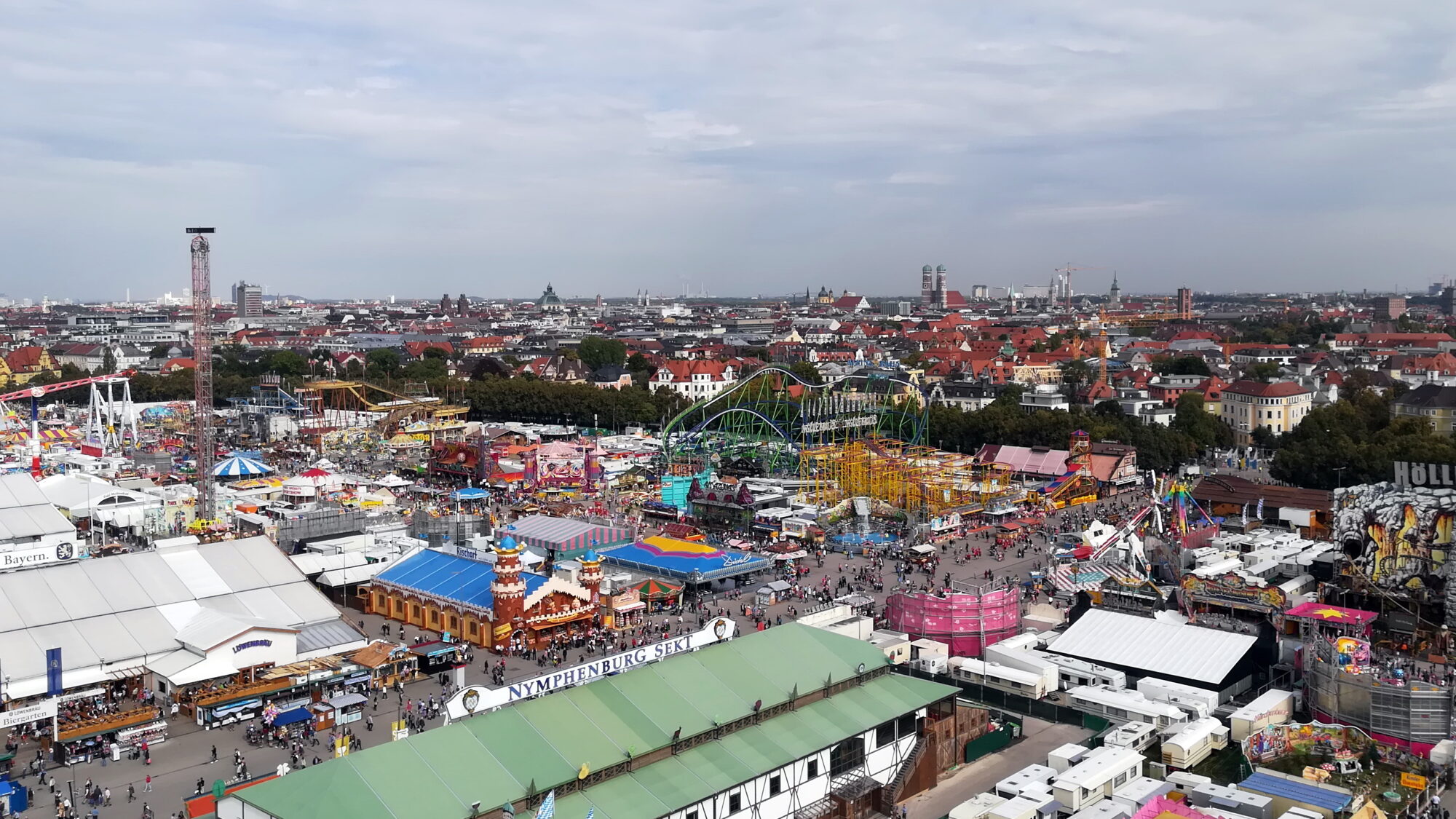
Munich’s Oktoberfest opened on 19 September 2026 and runs until 4 October on the Theresienwiese, with organisers anticipating more than 6.5 million visitors and a slightly higher bill for the traditional litre of beer. According to the official Oktoberfest website, a Maß costs between EUR14.80 and EUR15.90 this year, an average increase of 2.38 per cent on 2025.
The Opening and the Beer
As reported by Russian Tourism News, Munich Mayor Dominik Krause was due to tap the first barrel at noon on opening day in the Schottenhamel tent, with the traditional call of “O’zapft is!”. The festival has 17 large tents and 21 smaller ones, and only beer from Munich’s six traditional breweries, Augustiner, Hacker-Pschorr, Hofbräu, Löwenbräu, Paulaner and Spaten, may be served. Admission to the grounds is free, while food, drinks and rides are paid for separately.
The city of Munich does not fix prices itself. According to the official website, tent operators set their own rates, which the city checks for reasonableness against pricing in comparable city-centre restaurants. Most large tents charge EUR15.80 to EUR15.90 for a litre, while some smaller venues are as low as EUR14.80 to EUR14.95. The same source lists the most expensive litre at EUR18.40, a wheat-beer-only tent. Soft drinks also carry festival prices, with an average of EUR11.13 for a bottle of water, EUR12.84 for Spezi and EUR12.35 for lemonade, the website said.
Why It Matters
Oktoberfest is one of Europe’s best-known seasonal events and a useful barometer of consumer spending in hospitality. Prices at the festival rise by only a few per cent a year, but they illustrate how food, labour and energy costs continue to feed into leisure budgets, even for an event that organisers expect to draw millions regardless. The official figures say between six and seven million litres of beer are typically drunk across the festival, which means small percentage changes add up to large sums for tent operators and, indirectly, for the local economy. For visitors, the festival remains a test of how much people are prepared to pay for a shared cultural tradition.



Leave a Reply