

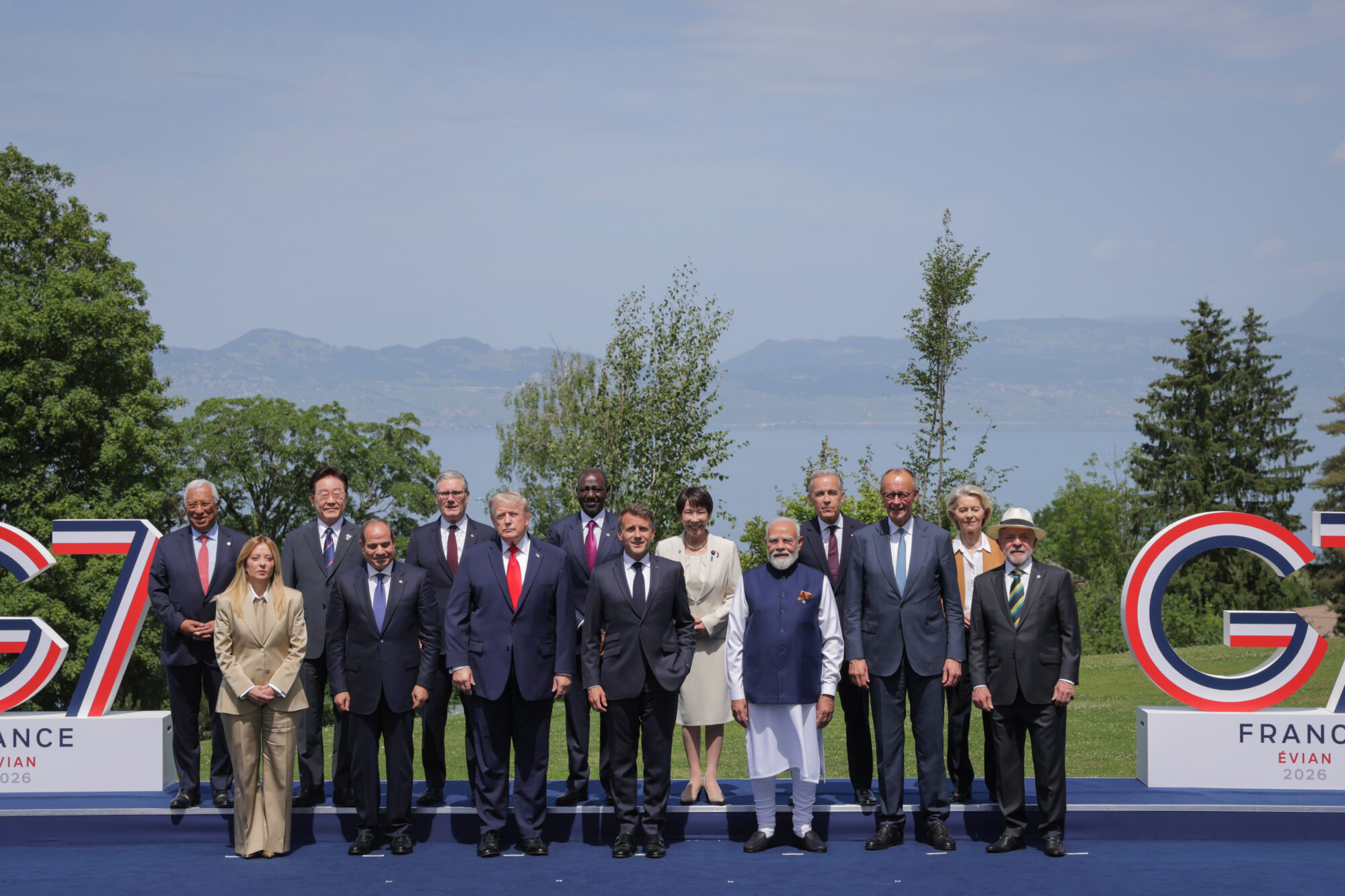
G7 leaders agreed on 2 October 2026 on coordinated measures to stabilise energy supplies, including a coordinated release of 100 million barrels through the International Energy Agency (IEA), according to a joint statement published by the UK government. The statement says the release is to begin immediately and run over four months.
The Measures
The statement says the 100-million-barrel release includes a front-loaded, substantial diesel release within the first 20 days, and that the leaders would convene within the IEA to discuss the possibility of additional diesel releases as necessary. They also said they would coordinate maintenance schedules across G7 refineries to prevent simultaneous capacity shutdowns and temporarily increase utilisation rates where feasible, and would engage countries with refining capacity to boost global production of refined products, particularly diesel.
The G7 said it would refrain from export restrictions on energy and energy products between G7 countries and called on all producers to refrain from imposing bans. The statement asks the IEA to monitor implementation and says a follow-up report with actionable recommendations should be delivered before 20 days have passed.
Political Language in the Statement
The statement also contains political positions. The G7 said it condemns Iran’s continued attacks against its regional neighbours, called for the immediate and full restoration of navigational rights and principles in the Strait of Hormuz, and said it would maintain sanctions against Russia. These are the G7’s stated positions, as set out in the document.
Why It Matters
The package combines supply measures, a stock release and refinery coordination, with a commitment not to restrict energy exports among G7 members. Whether it eases markets will depend on how quickly the release is carried out, which is why the statement asks the IEA to monitor delivery and report back. The statement itself does not set out how prices are expected to respond.



Leave a Reply