
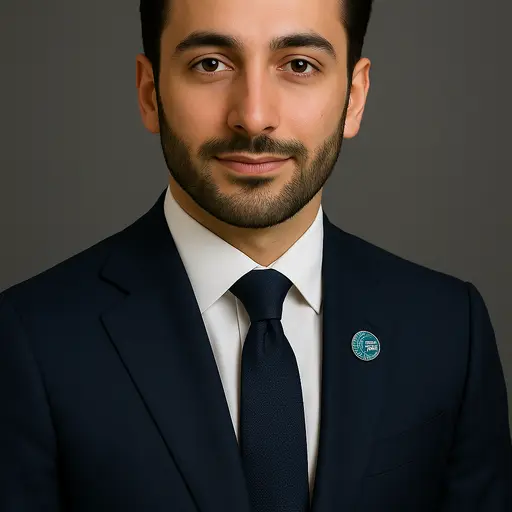
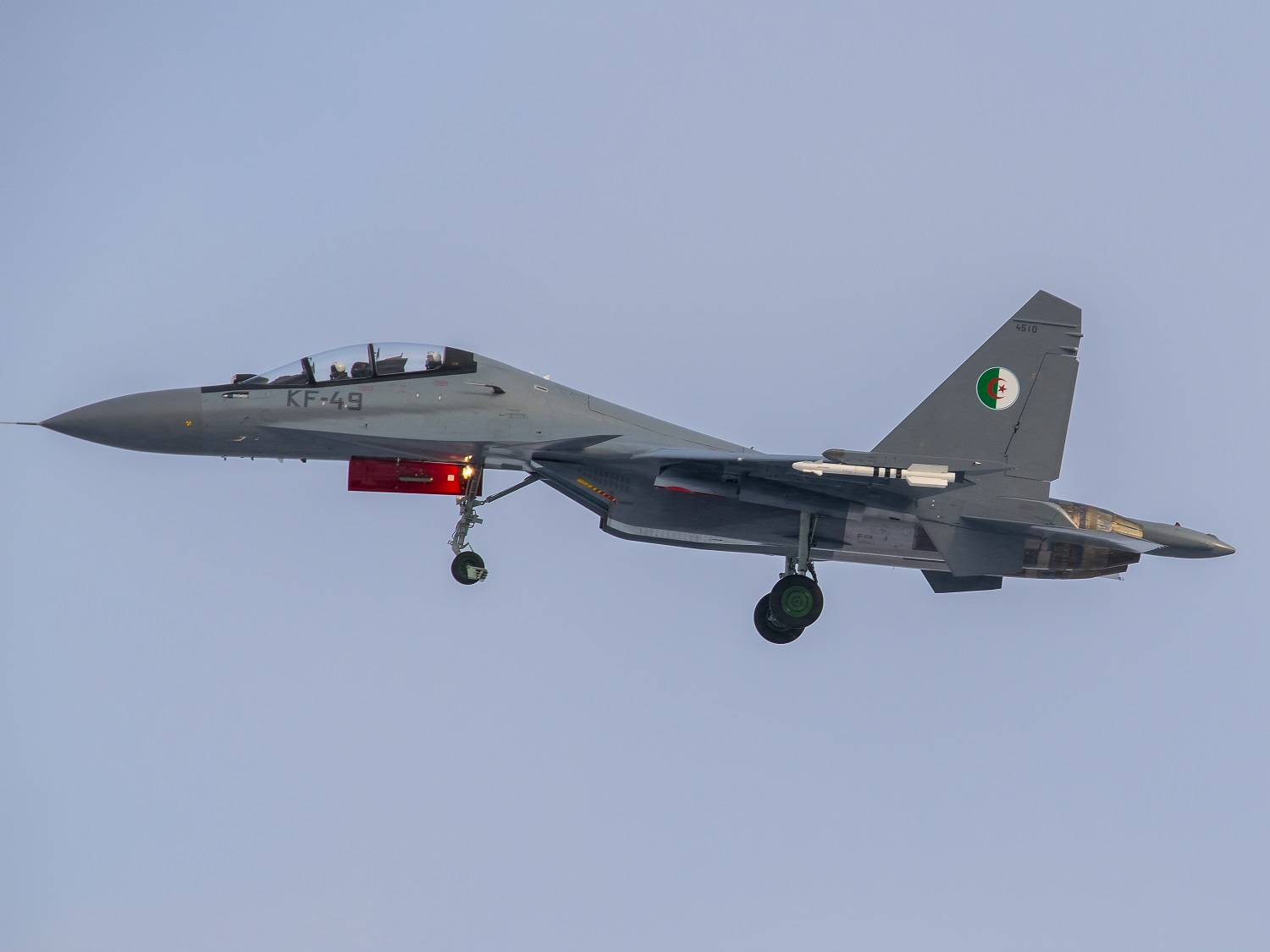
Algeria’s President Abdelmadjid Tebboune has said his country sent fighter jets to Niger in late August to help thwart a “coup attempt” that shook the capital, Niamey, according to Al Jazeera. The confirmation came in excerpts of an interview with local media outlets broadcast on Saturday 3 October, ahead of the full release.
What Tebboune Said
Tebboune said the warplanes were sent because some parties had gone too far. He added that Niger’s Prime Minister, Ali Mahaman Lamine Zeine, had been visiting Algeria and returned home at night just before the mutiny. Describing the episode as “a provocation against us”, he added, in remarks Al Jazeera quoted without elaboration, that he too would send planes. He did not specify who he meant by those who had gone too far, or whether he was referring to internal or external actors.
The Events in Niamey
Sustained gunfire and explosions were heard in Niamey overnight on 28 and 29 August. Al Jazeera reported that renegade soldiers first targeted a military base at Diori Hamani International Airport, followed by the state broadcaster and the presidential palace. Niger’s Defence Minister, General Salifou Modi, said at the time that a group of military personnel had tried to detain colleagues at Air Base 101 and opened fire on strategic locations, and that security forces had intervened and gradually regained control.
On 30 August, Algeria’s Ministry of Defence said it had sent fighter jets to Niger, with Sukhoi Su-30 aircraft landing at Niamey airport accompanied by an air-to-air refuelling plane. The ministry said the deployment was at the request of Nigerien authorities to support the Nigerien army in confronting an attempt to destabilise the country. Niger’s military government has since accused France of orchestrating the failed mutiny, an allegation France denied.
Why It Matters
The two countries share close security and military ties and a long land border, and Al Jazeera notes that Algeria regards stability in the Sahel as an essential part of its own national security. Tebboune’s public confirmation puts Algiers’ role on the record, but because he did not say whom he holds responsible, his remarks leave open the question of who Algeria believes was behind the unrest. The competing claims over French involvement remain unresolved in the sources reviewed.



Leave a Reply