

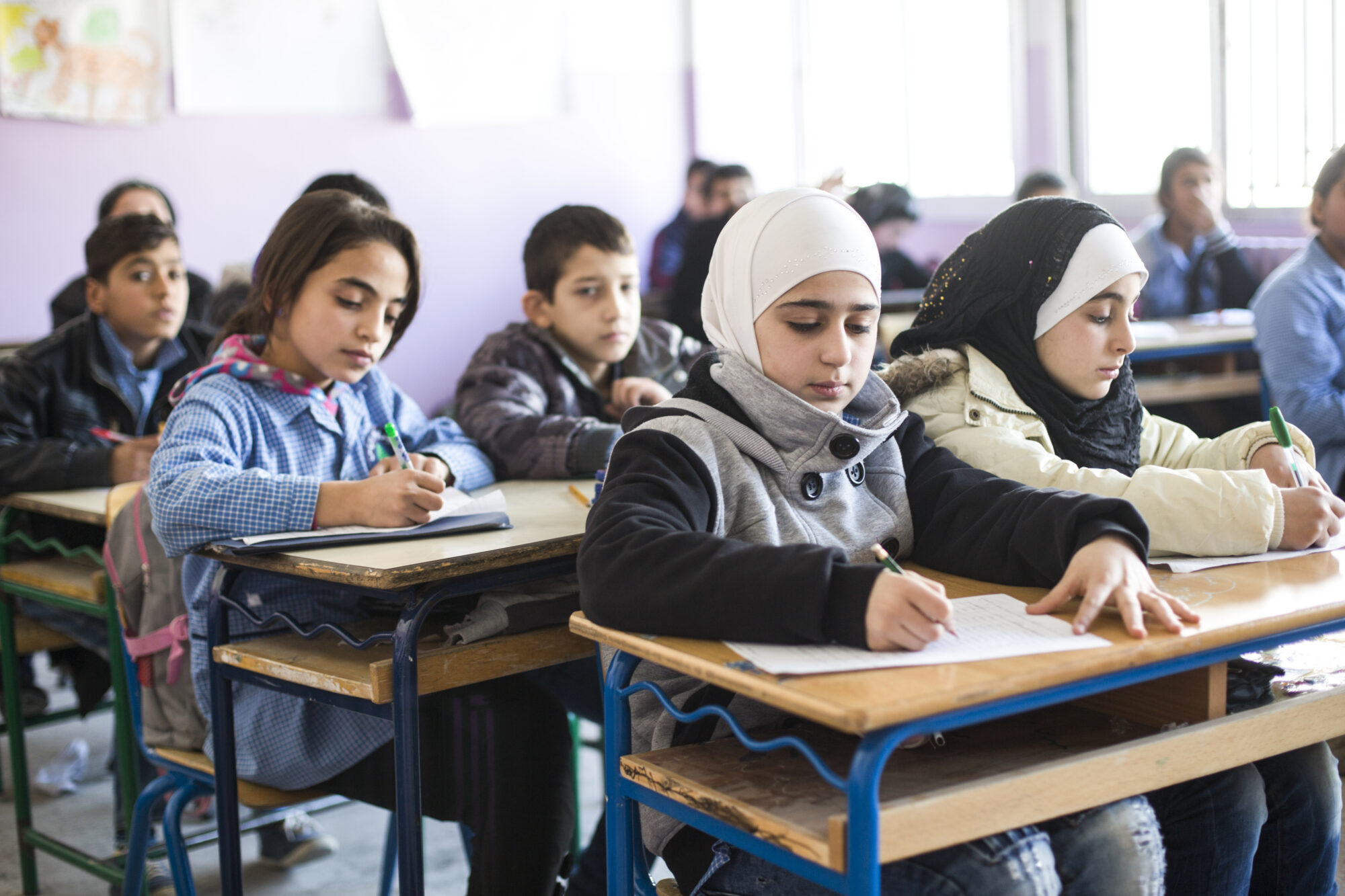
Nearly half of the world’s school-age refugee children were out of school in 2025, according to a new report by the UN refugee agency, UNHCR, as reported by UN News on 2 October 2026. Of an estimated 13.1 million refugee children of school age worldwide, 5.8 million remained out of school, the report found, while funding cuts threaten to roll back years of progress.
Where the Gaps Lie
UN News said that only 32 per cent of refugee children were enrolled in high school in 2025, compared with 65 per cent at primary level. It reported that two in three lack the foundational learning that prepares them for the classroom, and that refugee enrolment remains below the national average in more than 80 per cent of reporting countries. Girls and boys attend primary school at similar rates, the report found, but the gap widens sharply in secondary education.
There was some progress at the top of the system. UN News said refugee enrolment at the tertiary level reached a record 11 per cent in 2025, with more than 450,000 students attending university or undertaking technical and vocational training. According to the report, UNHCR and partners are on track to ensure that 15 per cent of refugee youth can access higher education by the end of the decade. In low-income and conflict-affected countries, however, only 2 per cent of refugees were enrolled in higher education, compared with 13 per cent of nationals.
Voices From the Report
UN High Commissioner for Refugees Barham Salih said that, at a time of severe pressure on humanitarian and development financing, cuts to education risk reversing decades of collective investment and closing opportunities for a generation of young people. UN News also featured Jamila Mostafa, 19, who fled war-torn Sudan for neighbouring Egypt and hopes to pursue a technology degree. “School gives me confidence,” she said.
Why It Matters
The figures describe a system where access narrows at each step up: strong enrolment at primary level, a sharp fall at secondary, and a small share reaching higher education in the hardest-hit settings. That pattern suggests the pressure points are in the later school years, which is where the report says gender gaps also open. The record tertiary figure shows that progress is possible, but UNHCR’s warning is that funding cuts could undo it before it reaches the children now outside the classroom.



Leave a Reply