

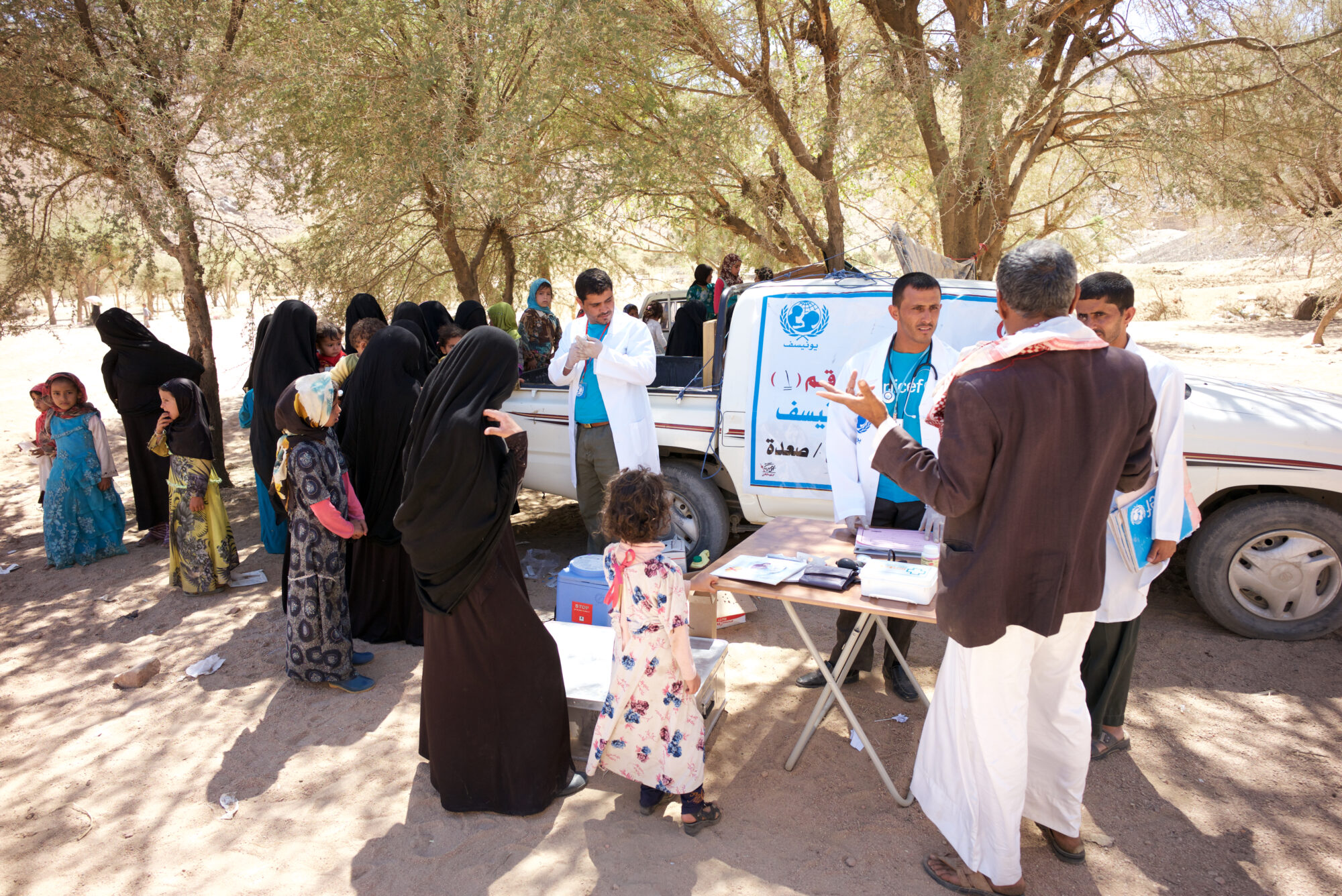
The World Health Organization (WHO) has warned that significantly more resources are required to scale up its response in Yemen amid escalating conflict and rising needs, according to UN News. The agency said its immediate funding requirements have increased from $9 million to $31 million, with an additional $700,000 needed to support refugees in Djibouti.
Displacement and Casualties
UN News described renewed clashes in recent weeks between Saudi-backed Yemeni Government forces and Houthi rebels supported by Iran. According to the UN migration agency, IOM, more than 200,000 people have been displaced and close to 3,800 have fled across the Red Sea to Djibouti. Fighting has mainly occurred on the coast in Lahj governorate, in neighbouring Taiz governorate and in Marib governorate, the report said. As of 2 October, Yemeni health authorities had reported 959 deaths and 4,207 injuries across 10 governorates.
“The situation is evolving into a complex emergency, with health needs rising as resources are already severely stretched,” said Dr Syed Jaffar Hussain, WHO Representative in Yemen.
Gaps in Care
WHO said nearly half of health facilities in the affected areas lack partner support, with critical gaps in frontline trauma care and outpatient services. Trauma stabilisation points on the Lahj coast and in Al-Dhale have no partners to operate them, according to Dr Hussain. Of the nearly 198,000 people who have been uprooted, fewer than one per cent had received health services as of last week, the agency said.
Hospitals are facing shortages of surgical supplies, anaesthetics, blood-bank materials and fuel, and emergency maternity services have been suspended in Marib and Ras Al-Arah in Lahj, according to the report. WHO also pointed to disease outbreaks: cholera cases have tripled in three weeks, including infections detected in displacement camps, while dengue and malaria cases are rising. More than 22,000 suspected measles cases and 128 deaths have been reported this year, it said, and the coming El Niño is likely to worsen outbreaks and malnutrition.
WHO is preparing to scale up trauma and emergency care, outbreak response and essential health services and supplies. As the main health coordinator in Yemen, it also acts as provider of last resort where no partner can deliver services, but warned that without urgent additional financing the gap between services and needs will keep widening.
Why It Matters
The appeal shows how quickly health needs can outrun funding when displacement and disease outbreaks coincide with fighting. For families who have fled, access to trauma care, maternity services and vaccination depends on whether partners can be funded to deliver them.



Leave a Reply